

In a move that has shocked the global academic community, the United States government has quietly revoked the visas of several foreign students studying at American universities. Among those affected were individuals from India, Lebanon, and Saudi Arabia. The sudden nature of these cancellations has raised alarms about the direction of U.S. immigration and education policies, especially concerning international students.
This unexpected action has prompted a wave of concern among educational institutions, legal experts, and advocacy groups, who are now questioning the process, motives, and broader consequences of the visa cancellations.
Who Were Affected?
In recent weeks, several cases have come to light involving students who were asked to leave the U.S. or were barred from entering the country due to their student visas being revoked. Two of these students were from Saudi Arabia and had been studying at North Carolina State University. The university later confirmed that their visas had been canceled, and the students were forced to return to their home country. University officials stated they would support the students in completing their coursework remotely.
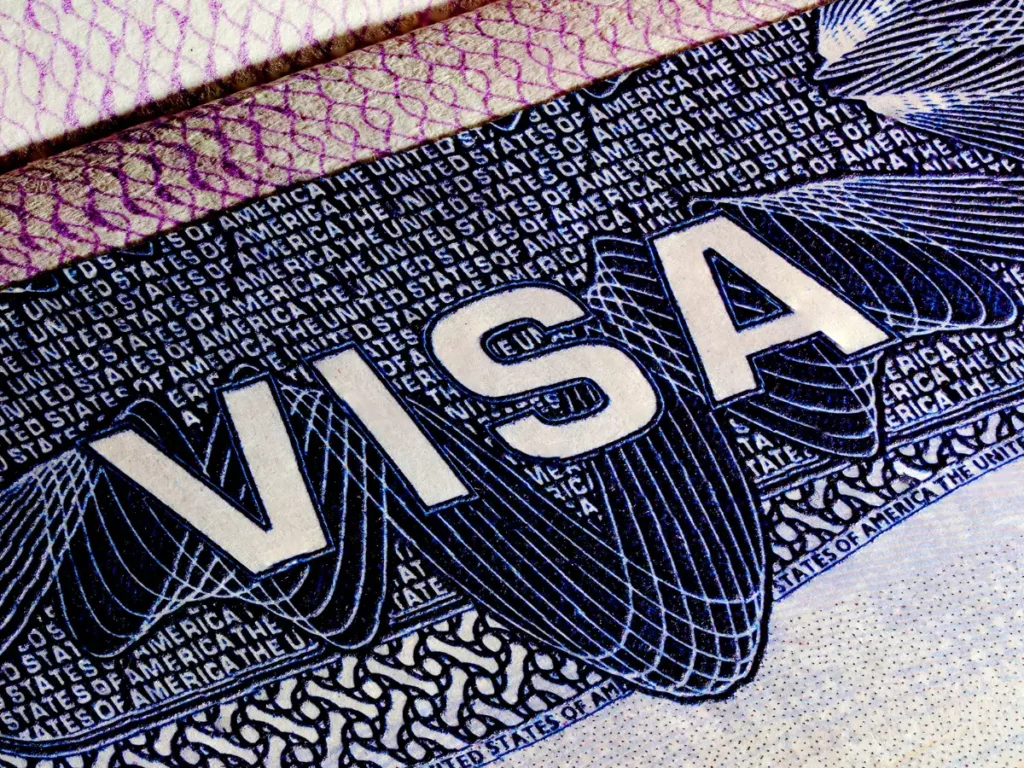
Another case involved a Lebanese student who had been pursuing graduate studies at a U.S. institution. Similarly, an Indian student, who was also enrolled in a U.S. university, faced sudden deportation. These incidents appear to be part of a wider, more discreet effort by the U.S. government to remove certain foreign students from the country, often without clear explanations or due process.
What’s Behind the Visa Cancellations?
Though the U.S. State Department has not made any official public announcements about these actions, several reports suggest that the cancellations are connected to heightened political scrutiny and concerns over national security. In particular, the U.S. government is said to be increasingly wary of international students who are suspected—rightly or wrongly—of involvement in political activism, especially around sensitive issues like the Israel-Palestine conflict.
Some sources indicate that students who have expressed support for Palestinian causes, even peacefully and within the bounds of free speech, have come under government scrutiny. In a few cases, students’ social media activity has reportedly been used as a basis for revoking their visas. This includes posts that may have been critical of U.S. foreign policy or shown sympathy for political movements abroad.
While the government has the legal authority to revoke visas, critics say the recent actions lack transparency and could be interpreted as politically motivated. The use of vague terms like “potentially adverse foreign policy consequences” in visa revocation letters has led to further confusion and concern, especially when students are not accused of any specific crime or violation.
The Human Impact
The sudden cancellation of visas has left many students in a state of emotional and academic turmoil. For those who were already in the U.S., the orders meant abruptly leaving behind their classes, housing, and community. In some cases, students had mere days to pack their belongings and exit the country, with little time to appeal the decision or seek legal counsel.
Students who had gone home for vacation or family emergencies found themselves unable to return. Others were stopped at U.S. airports, detained, and then deported. These experiences have left many feeling targeted, humiliated, and uncertain about their futures.
For instance, a Turkish graduate student was reportedly detained upon arrival at a U.S. airport and faced lengthy questioning before being denied entry and sent back. The student had no prior immigration issues and had been studying in the U.S. for years.
Universities React with Alarm
Educational institutions have been caught off guard by these sudden visa actions. Universities generally rely on the State Department and U.S. Citizenship and Immigration Services (USCIS) to notify them of changes in visa status for their enrolled international students. But in several of these recent cases, schools were left in the dark until after the students were already removed or barred.
University leaders have voiced concern about the lack of communication from federal agencies. Many have reiterated their commitment to supporting international students and have begun working to provide remote learning options for those who are forced to leave the U.S. unexpectedly.
Some colleges have also issued public statements urging the government to uphold the values of openness, inclusion, and academic freedom—cornerstones of U.S. higher education that they say are now under threat.
Legal and Constitutional Concerns
Immigration lawyers and civil rights groups are now questioning the legality of how these visa revocations are being carried out. In many cases, students were not given adequate time to respond or appeal the decision. Moreover, the apparent use of political beliefs or peaceful protest activities as justification for visa cancellation could potentially infringe on the constitutional rights of freedom of speech and expression.
Legal experts argue that while visa holders do not enjoy all the same rights as U.S. citizens, they are still protected by certain legal norms, especially when they are physically present in the country. Deporting students based on vague accusations or unverified intelligence reports without giving them a chance to defend themselves sets a troubling precedent.
In the past, visa revocations have typically occurred due to clear legal violations, such as academic dishonesty, criminal activity, or immigration fraud. But the recent cases appear to represent a broader and more politically charged interpretation of national security risks.
Global Implications for U.S. Education
The U.S. has long been a top destination for international students, who contribute billions of dollars annually to the economy through tuition fees, housing, and local spending. They also bring a wealth of cultural diversity, knowledge exchange, and innovation to American campuses.
But the recent visa actions risk damaging the country’s global reputation as a welcoming and open environment for education. Students and their families in countries like India, Saudi Arabia, Turkey, and Lebanon are beginning to question whether it is safe or wise to invest in a U.S. education, given the possibility of sudden political or legal challenges.
If the trend of quiet visa revocations continues, experts warn that the U.S. could see a decline in international student enrollment. This would not only affect universities financially but could also diminish the global influence and competitiveness of U.S. higher education in the long term.
Conclusion
The quiet cancellation of visas for an Indian, a Lebanese, and two Saudi students may seem like isolated incidents, but they represent a much deeper shift in U.S. policy and perception toward international students. What was once considered a soft-power advantage—educating future global leaders on U.S. soil—is now increasingly seen through a lens of suspicion and political control.
As legal challenges mount and universities push back, the coming months will likely determine whether the U.S. doubles down on this new approach or takes steps to rebuild trust with the international academic community. For now, however, uncertainty, fear, and disruption remain the reality for many foreign students who once saw America as a land of opportunity.

