

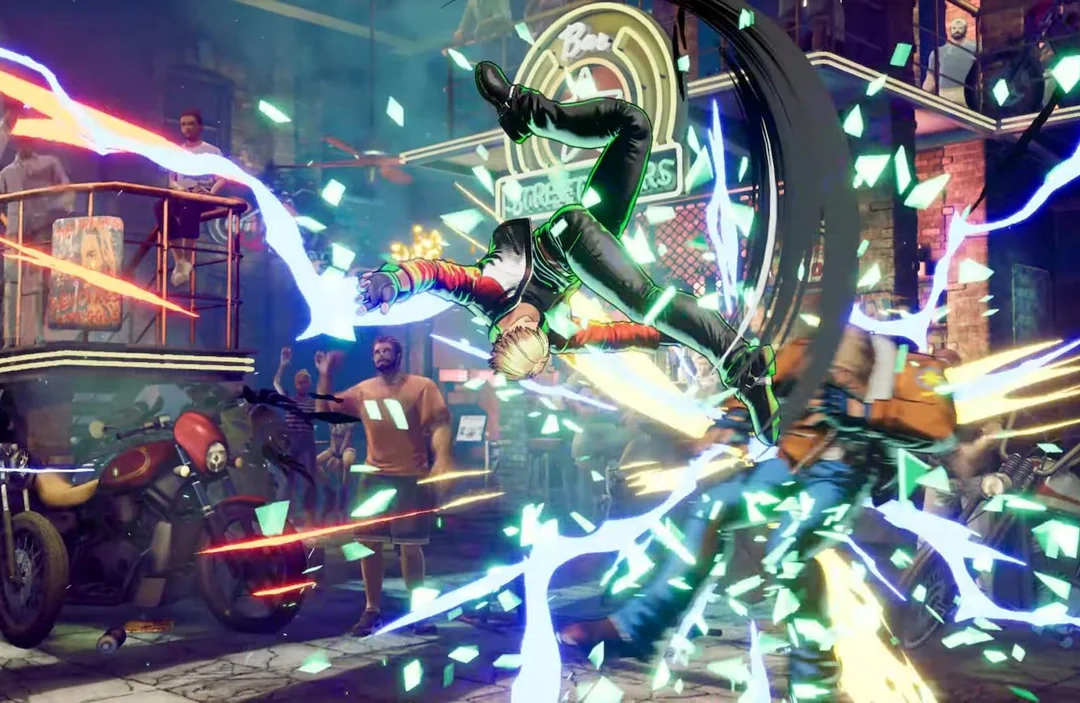
SNK, the legendary Japanese video game developer, is facing serious backlash from fans after its latest announcement about the upcoming fighting game, Fatal Fury: City of the Wolves. The controversy centers around two unexpected new additions to the game’s playable roster: international football superstar Cristiano Ronaldo and Swedish DJ Salvatore Ganacci.
For many longtime fans of the Fatal Fury series—a cornerstone of 1990s arcade culture—these additions feel like a betrayal of the franchise’s spirit. Instead of embracing the martial arts lore and grounded character storytelling that defined earlier titles, fans believe SNK is now leaning into celebrity gimmicks that serve corporate interests more than creative vision.
Cristiano Ronaldo in a Fighting Game? Fans Aren’t Impressed
The first announcement that sent shockwaves through the community was the inclusion of Cristiano Ronaldo. Widely recognized as one of the greatest footballers of all time, Ronaldo is known for his powerful athleticism, global fame, and record-breaking achievements on the pitch. However, his involvement in a martial arts-themed fighting game like Fatal Fury left fans confused and frustrated.
Many see his inclusion as a shallow marketing move. Unlike traditional characters in Fatal Fury, who have deep backgrounds in combat sports, martial arts disciplines, or fantastical fighting lore, Ronaldo has no real connection to fighting games or SNK’s universe. Players quickly began questioning how a footballer—no matter how iconic—fits into the world of fictional martial artists and brawlers.
More concerning to some fans is Ronaldo’s off-field reputation. Over the past several years, he has been involved in a number of controversies, including a high-profile rape allegation that was ultimately dismissed and a tax fraud case in Spain. While these issues were resolved legally, critics argue that including such a figure could damage the brand’s integrity and alienate younger or more socially conscious audiences.
DJ Salvatore Ganacci Adds Fuel to the Fire
As if the Ronaldo news wasn’t enough, SNK followed it up by announcing another unexpected character: Salvatore Ganacci, a Swedish DJ and music producer known for his eccentric stage performances and unconventional dance moves.
Ganacci, like Ronaldo, has no obvious connection to the world of fighting games. While he enjoys popularity in the electronic music scene—particularly in parts of the Middle East and Europe—he is not a martial artist, an actor, or a pop culture figure typically associated with gaming. His appearance in Fatal Fury feels random to many fans, who see it as yet another example of style over substance.
The backlash online was swift. Within hours of the announcement, hashtags like #FreeSNK and #NotMyFatalFury began trending on social media. On gaming forums and Reddit threads, passionate fans expressed their frustration, with many accusing SNK of prioritizing sponsorship deals and political connections over creativity and fan loyalty.
Is SNK Losing Its Identity?
Much of the anger surrounding these additions can be traced back to SNK’s ownership. In recent years, SNK was acquired by the MiSK Foundation, an organization controlled by Saudi Crown Prince Mohammed bin Salman. This acquisition sparked debate at the time, with critics warning that political influence could compromise the artistic direction of SNK’s projects.
Now, with Ronaldo playing for Saudi Arabia’s Al Nassr football club and Ganacci frequently performing at Saudi-sponsored events, fans are drawing direct connections between SNK’s ownership and the inclusion of these celebrities in the game. Many feel that SNK’s creative independence is at risk, and that beloved franchises like Fatal Fury are being used as tools for soft power and branding by powerful figures in the Middle East.
One vocal community member on a popular fighting game forum wrote, “This isn’t about adding a fun Easter egg or a silly character. This is about turning one of the most respected franchises in fighting game history into a billboard for people with money.”
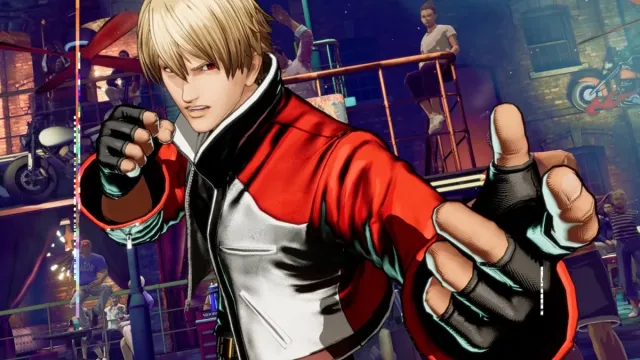
The sentiment is widespread, particularly among players who grew up with the series during its arcade golden age. These fans have long supported Fatal Fury for its unique art style, memorable characters like Terry Bogard and Rock Howard, and a gritty atmosphere that set it apart from flashier titles like Street Fighter or Tekken.
Balancing Commercial Strategy with Fan Loyalty
There’s no doubt that celebrity appearances in video games can generate media attention and attract new audiences. Franchises like Fortnite and Call of Duty have leaned into crossover events and celebrity skins to great success. However, these games operate in very different genres and cultures. For a franchise like Fatal Fury, which has always been rooted in martial arts tradition and intense one-on-one combat, the inclusion of non-fighters can feel out of place and even disrespectful.
Some fans are urging SNK to reconsider these decisions before the final version of the game is released. Others are calling for a boycott or encouraging fellow players to support indie fighting games that remain true to their roots.
Meanwhile, SNK has not issued any official response to the backlash. The company is continuing to promote the game, and trailers featuring Ronaldo and Ganacci have already been released. While some casual players and newer fans have expressed curiosity or amusement at the unexpected characters, the core fanbase remains deeply critical.
What This Means for the Future of SNK and Fatal Fury
The controversy has sparked broader questions about the future of SNK as a game developer. Is this a one-time marketing experiment, or a signal of permanent changes in how SNK approaches game development under its current ownership? Will the company continue to prioritize high-profile collaborations over character development and story depth?
Many longtime players are hoping that SNK will listen to fan feedback and find a middle ground. There is still potential for Fatal Fury: City of the Wolves to be a great game—one that modernizes the classic experience without abandoning what made it special.
The fighting game genre is enjoying a renaissance right now, with titles like Street Fighter 6 and Tekken 8 pushing the boundaries of gameplay and storytelling. If SNK wants Fatal Fury to stand proudly among them, it may need to refocus its priorities and put the fans—the people who kept the series alive for decades—at the center of its creative process.
In the end, celebrity appearances might bring short-term buzz, but true success comes from long-lasting trust and meaningful gameplay. SNK now faces a critical decision: continue down a path shaped by external influence, or return to the roots that made Fatal Fury a legend in the first place.

