

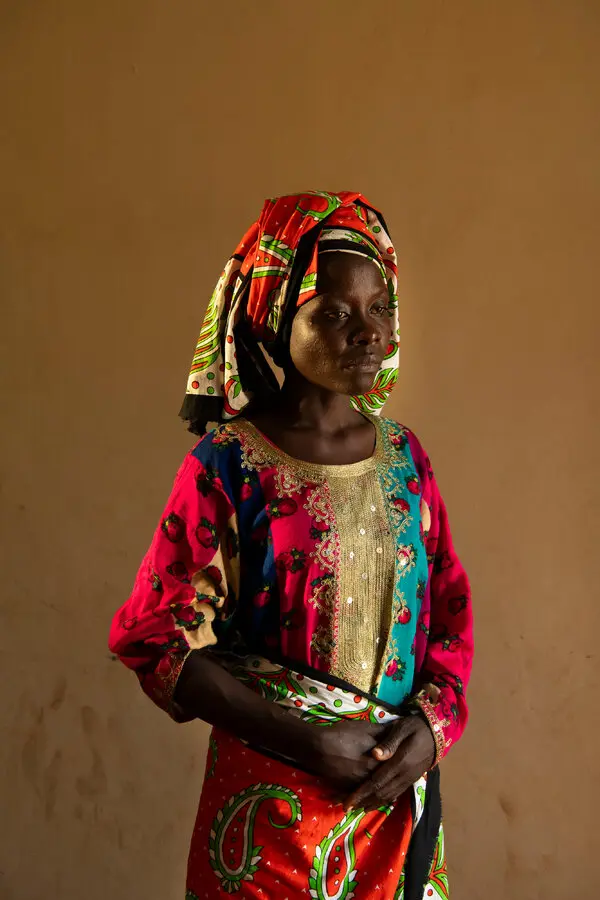
At Nairobi’s Jomo Kenyatta International Airport, groups of young women can be seen lining up with suitcases, passports, and dreams. They are mostly in their early 20s, full of hope and anticipation. Their destination? Saudi Arabia. Their goal? To work as domestic workers and earn money to support their families back home.
But for hundreds of these women from Kenya and Uganda, what starts as a journey of hope turns into a nightmare. Many suffer from abuse, neglect, and exploitation. Some never return. The shocking number of deaths among East African domestic workers in Saudi Arabia has sparked international concern, yet little has been done to stop it.
Rising Death Toll of African Maids in Saudi Arabia
Over the past five years, more than 270 Kenyan domestic workers have died while working in Saudi Arabia. In 2024 alone, at least 55 women lost their lives—almost double the deaths reported in 2023. Uganda and Ethiopia have also seen similar patterns, though Kenya is one of the biggest sources of domestic workers to the Gulf.
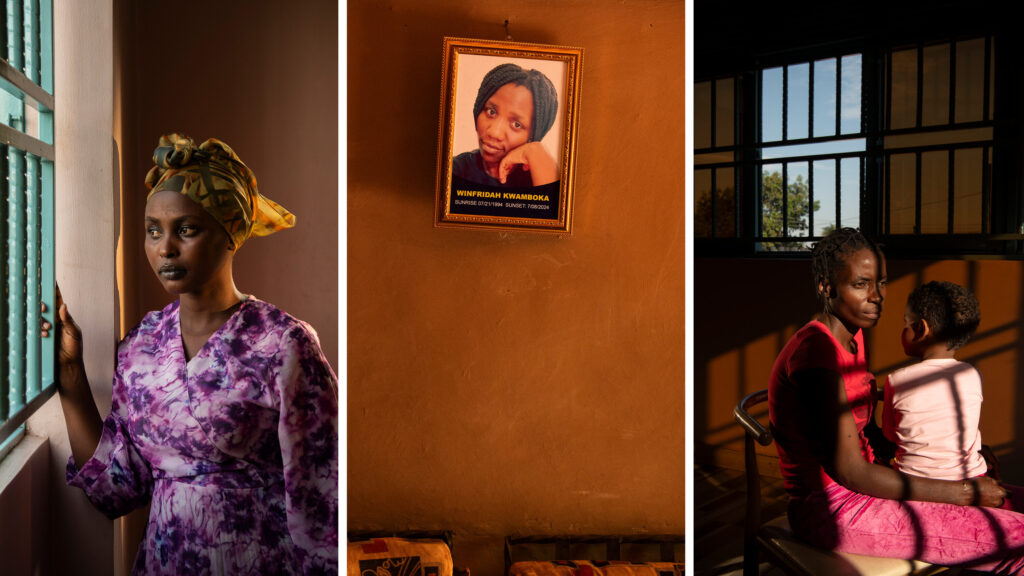
Many of the families of these women receive little to no explanation about the cause of death. In several cases, official reports mention vague reasons like “natural causes,” while the bodies show signs of physical trauma. Some women had burns, cuts, or broken bones, yet the death certificates offer no clear answers. One case even listed the cause of death simply as “brain dead,” without elaboration.
The real causes are often hidden or downplayed, leaving grieving families with more questions than answers.
Stories of Abuse and Horror
Survivors of this system share disturbing stories of how they were treated by their employers in Saudi Arabia. Many report being overworked, denied food, or physically beaten. Others mention sexual harassment, sleep deprivation, and lack of medical care. Once they arrive in the country, their passports are often taken by their employers, leaving them completely dependent and unable to leave.
One Kenyan woman shared that her employer openly told her, “I bought you.” When she tried to report the abuse to the recruitment agency that sent her, she was told, “You can swim across the Red Sea and get yourself back to Kenya.”
Some women are forced to work in multiple homes without extra pay. Others are locked inside and forbidden to contact their families. If they resist or try to escape, they face punishment or are reported to local authorities, often with false accusations.
The Kafala System: A Modern-Day Trap
At the heart of this crisis lies the kafala system, a legal structure used in many Gulf countries, including Saudi Arabia. Under this system, workers are “sponsored” by their employers and cannot leave or change jobs without permission. This gives employers huge control over their employees’ lives, making it easy to abuse power.
For domestic workers, who live inside the homes of their employers, the system creates the perfect storm for exploitation. The lack of oversight, weak legal protections, and cultural barriers make it difficult for workers to seek help.
Despite international pressure, reforms have been slow or cosmetic. In most cases, domestic workers are still excluded from labor protections such as minimum wage laws, time off, and safety standards.
Profiting from Pain: A Conflict of Interest
One of the biggest roadblocks to change is the deep entanglement between government officials and the labor export industry in East Africa. In Kenya, for example, members of Parliament’s labor committee—who are supposed to protect workers—own or have shares in recruitment agencies. These same agencies profit from sending workers abroad, creating a major conflict of interest.
In Uganda, senior government officials and even people connected to the president’s family have been linked to agencies involved in labor export. These power players often resist regulation or investigations into the system because of the money involved.
As a result, the agencies are rarely held accountable when something goes wrong. Even when workers return with stories of abuse, the system continues operating as usual.
A National Strategy With Tragic Costs
Why do so many East African countries continue to send workers abroad despite these risks?
The answer lies in economics. With high unemployment and slow job growth, countries like Kenya and Uganda see labor migration as a way to reduce joblessness and bring in foreign currency. In fact, migrant remittances have become a major source of income for these nations.
Kenya’s President William Ruto has publicly stated that he plans to send hundreds of thousands more workers to Gulf countries. Uganda has similar ambitions. Governments often paint labor migration as a success story, highlighting stories of women who build homes or educate their children with the money they earn abroad.
But these success stories are only part of the picture. For many women, the true cost is their freedom—or even their lives.
International Pressure and Human Rights Concerns
The global spotlight has recently turned toward Saudi Arabia’s human rights record, especially after the kingdom won its bid to host the 2034 FIFA World Cup. Human rights groups have criticized the treatment of migrant workers, pointing to widespread abuses not only in domestic work but also in construction and other sectors.

The treatment of African domestic workers in particular is seen as a glaring human rights violation. The United Nations, along with multiple international NGOs, has called on Gulf nations to dismantle the kafala system and implement stronger labor protections.
However, real change has been slow. Without pressure from labor-sending countries like Kenya and Uganda, reform is unlikely to happen.
What Needs to Change
Experts and activists agree that the current system is broken and needs urgent reform. Here are some of the changes being demanded:
- Abolish the kafala system and replace it with a transparent, accountable legal framework.
- Include domestic workers under national labor laws to guarantee minimum wage, days off, and protection against abuse.
- Ban recruitment fees charged to workers and hold agencies accountable for their welfare.
- Provide legal aid and emergency shelters for workers in distress.
- Strengthen oversight of recruitment agencies and bar government officials from owning or benefiting from them.
Additionally, sending countries must invest in domestic job creation so that women aren’t forced to risk their lives abroad just to earn a living.
Final Thoughts
The deaths of hundreds of East African domestic workers in Saudi Arabia is not just a statistic—it is a humanitarian crisis. Behind each number is a young woman with a story, a family, and a dream. These women leave home hoping for opportunity, but far too many return in coffins, or not at all.
It is time for governments, recruitment agencies, and international partners to take action. Protecting the rights and lives of these workers should not be optional. It is a moral and legal obligation.

