

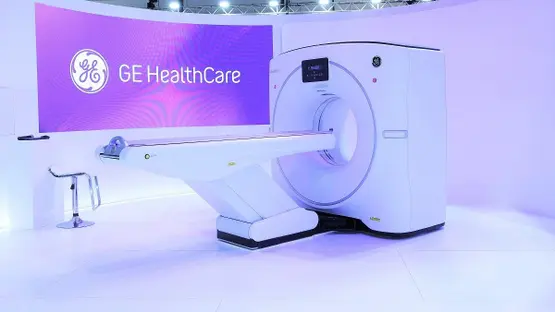
Saudi Arabia is undergoing one of the most ambitious health transformation projects in modern history. With its eyes set on becoming a global leader in health and wellness, the Kingdom is completely reshaping its healthcare system to better serve its people—and to inspire other nations around the world.
At the heart of this movement is Vision 2030, a sweeping plan introduced by Crown Prince Mohammed bin Salman to diversify Saudi Arabia’s economy, reduce its dependence on oil, and develop vital public sectors like health, education, and tourism. The goal is not just better health for Saudi citizens, but also to build a model that the world can learn from.
A Health System Built for the Future
Under Vision 2030, Saudi Arabia is shifting from a reactive healthcare model to a proactive, preventive, and patient-centered approach. This change is crucial, as the Kingdom seeks to improve health outcomes, increase life expectancy, and make healthcare more accessible and efficient.
The Health Sector Transformation Program, launched as part of the Vision 2030 initiative, focuses on reorganizing the healthcare system around individuals rather than institutions. It aims to ensure that high-quality health services are available to everyone, regardless of where they live in the country. This means modern hospitals in cities, as well as mobile and digital clinics reaching people in remote areas.
Focusing on Prevention Saves Lives—and Money
Preventive care has become a cornerstone of Saudi Arabia’s new health strategy. Instead of waiting for people to become sick, the government is now investing in programs that promote healthier lifestyles, early screening, and better education about chronic diseases like diabetes, obesity, and cardiovascular conditions.
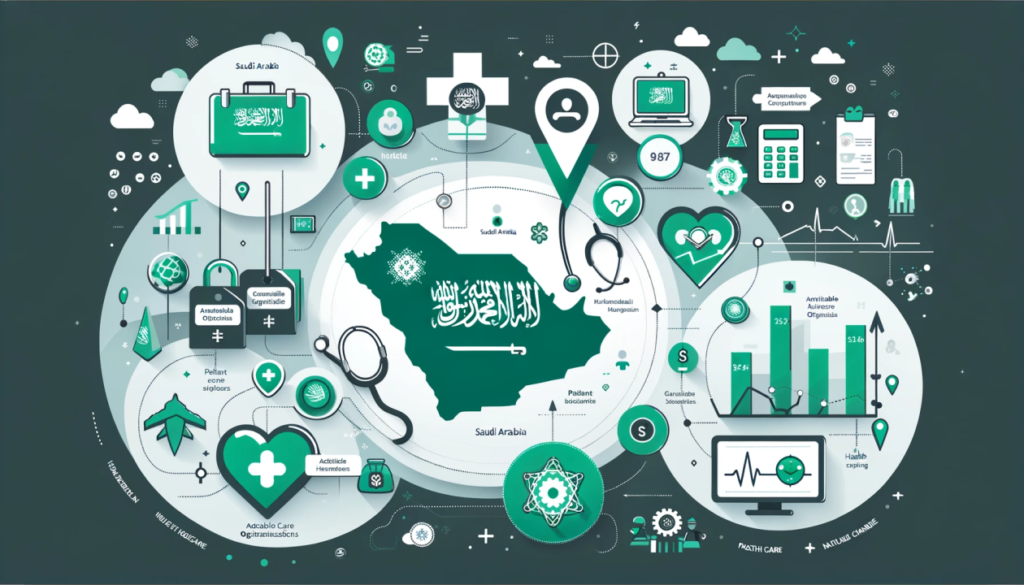
This shift is not only saving lives but also saving money. According to health officials, for every one riyal spent on preventive health, the country saves around four riyals in treatment costs. By focusing on prevention, the Kingdom aims to reduce the strain on hospitals, cut healthcare spending in the long term, and keep its population healthier for longer.
Public health campaigns now target common risk factors such as smoking, poor diet, and lack of exercise. Schools are integrating health education into their curriculum, and national awareness programs encourage people to take control of their own well-being.
Going Digital: The Rise of Smart Healthcare
One of the most innovative parts of Saudi Arabia’s health transformation is its investment in digital healthcare technologies. The Kingdom is rapidly building a healthcare system that uses artificial intelligence, remote monitoring, and digital health records to provide faster, more accurate, and more personalized care.
One shining example is the Seha Virtual Hospital, which is already considered one of the largest virtual hospitals in the world. Using advanced technology like artificial intelligence, augmented reality, and remote diagnostics, it connects doctors and specialists with patients in remote areas, giving them access to top-tier medical advice without having to travel long distances.
Digital platforms are also improving the efficiency of the system overall. Patients can now book appointments online, access lab results through mobile apps, and even receive prescriptions without ever stepping foot in a clinic. These advancements reduce wait times and streamline care for both doctors and patients.
Public-Private Partnerships Fuel Innovation
To achieve its healthcare goals, Saudi Arabia is also encouraging private sector involvement. Public-private partnerships (PPPs) are playing a major role in building infrastructure, providing services, and bringing in new technologies.
The government plans to privatize many hospitals and clinics by 2030. This will introduce competition and drive innovation while freeing up public funds to be used in areas like preventive health and digital transformation.
So far, the private sector has responded enthusiastically. Many international healthcare companies and investors are seeing opportunities in the Kingdom’s fast-growing market. These collaborations are helping bring cutting-edge technologies, world-class expertise, and new ideas to Saudi Arabia’s health system.
Investing in People and Infrastructure
Transforming healthcare isn’t just about buildings and machines—it’s also about people. Saudi Arabia is heavily investing in training and developing its healthcare workforce. This includes expanding medical education programs, partnering with global institutions, and offering scholarships for students to study medicine abroad.
Modern hospitals and research centers are being built across the country, and older facilities are being upgraded to meet international standards. These new centers are equipped with the latest medical technology and are designed to be more energy-efficient, patient-friendly, and adaptable for future needs.
In addition, the country is working to improve emergency services and response systems, ensuring that all regions—urban and rural—have access to quick and reliable medical assistance in times of crisis.
Global Collaboration: Learning and Leading
Saudi Arabia is not working in isolation. As part of its strategy to inspire the world, the Kingdom is actively engaging with global health institutions and participating in international forums. This helps it learn from others while also sharing its own experiences.
By taking part in global events and hosting summits, Saudi Arabia is positioning itself as a thought leader in healthcare innovation. Organizations like the King Faisal Specialist Hospital and Research Centre are leading the charge, showcasing the Kingdom’s advancements and opening doors to global partnerships.
These collaborations are especially important as the world continues to face complex health challenges—from pandemics to climate-related health issues. Saudi Arabia wants to be part of the global solution, and its long-term investments in healthcare infrastructure, workforce development, and technology are helping make that goal a reality.
Looking Ahead: Challenges and Opportunities
Of course, transforming a nation’s healthcare system is not without its challenges. The Kingdom faces issues such as managing the costs of rapid modernization, training enough skilled workers, and ensuring that all citizens can access the new systems.
There are also cultural and behavioral challenges, as people adjust to new technologies and approaches to care. Building trust in digital health solutions, encouraging lifestyle changes, and breaking old habits will take time and consistent effort.
However, the momentum is strong, and the vision is clear. With solid leadership, strategic investments, and a strong focus on both people and technology, Saudi Arabia is well on its way to creating a healthcare system that is both modern and sustainable.
A Model for the World
Saudi Arabia’s bold health transformation is more than just a national project—it is a blueprint that other countries can learn from. By putting people first, embracing innovation, and committing to long-term change, the Kingdom is proving that visionary leadership can reshape entire sectors for the better.
As the global community watches Saudi Arabia’s progress, the message is clear: health is not just about curing disease—it’s about building a better, more balanced life. And if Saudi Arabia can succeed in reimagining its health system, it may just inspire the rest of the world to follow suit.
Rabbit Expands Into Saudi Arabia, Transforming Hyperlocal E-Commerce Across the Kingdom

