

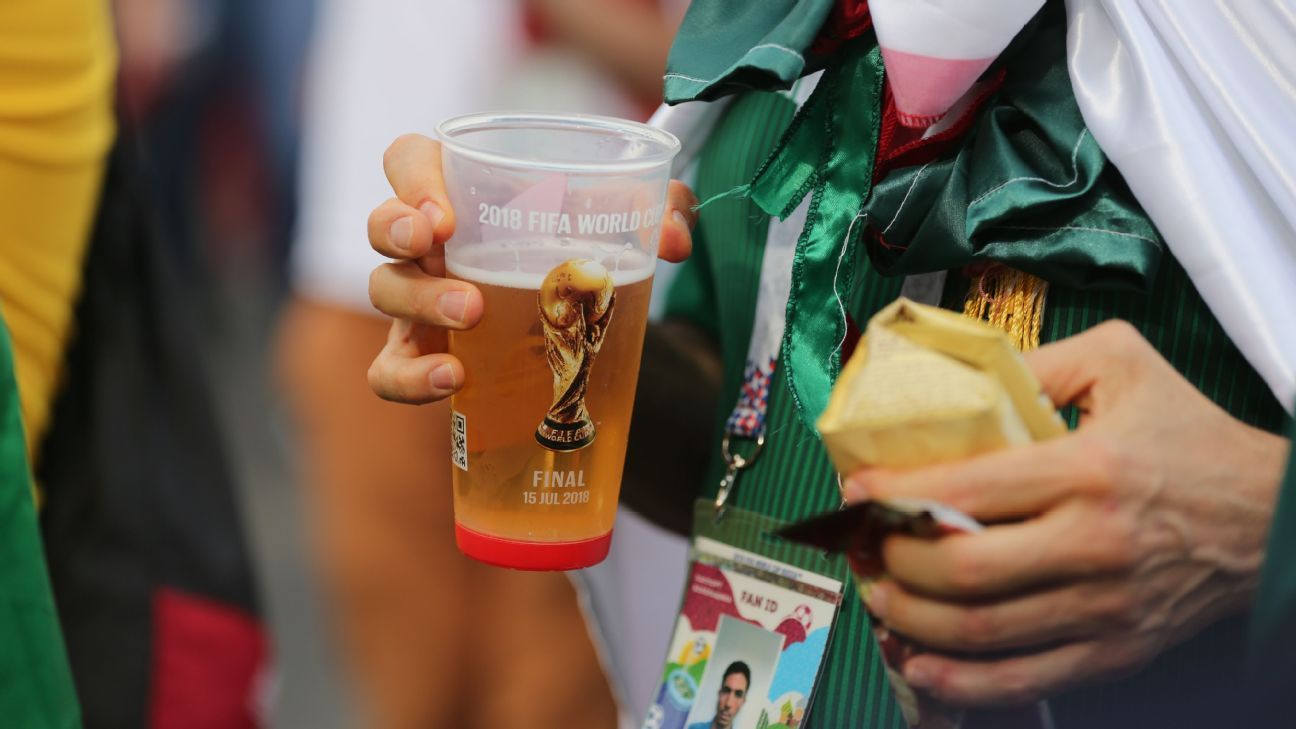
Saudi Arabia has confirmed that alcohol will not be allowed during the 2034 FIFA World Cup, sending a clear message to football fans and international visitors ahead of the highly anticipated global sporting event. The announcement came from Prince Khalid bin Bandar Al Saud, Saudi Arabia’s ambassador to the United Kingdom, who explained that the kingdom’s strict laws regarding alcohol will remain unchanged even during the month-long tournament.
With Saudi Arabia officially selected as the host of the 2034 FIFA World Cup, international attention has shifted to how the kingdom plans to handle the influx of foreign fans, many of whom may expect the freedom to drink alcohol during matches and celebrations. But the ambassador has made it clear: Saudi Arabia has no plans to change its national laws or cultural values to accommodate these expectations.
Ambassador: “Plenty of Fun Without Alcohol”
During an interview with a British radio station, Prince Khalid addressed growing speculation about how Saudi Arabia will adapt for the massive sporting event. When asked directly if the kingdom would allow the sale of alcohol to visitors, his response was firm and direct: “At the moment, we don’t allow alcohol. Plenty of fun can be had without alcohol — it’s not 100% necessary.”
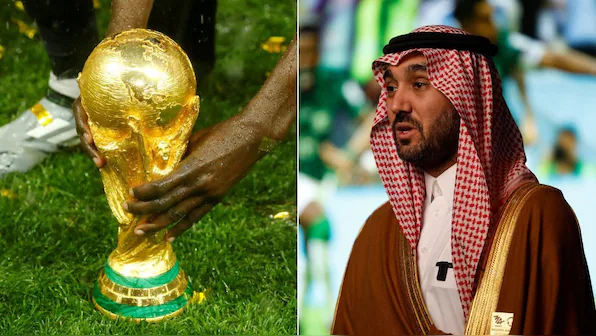
The ambassador added that fans will be expected to respect the laws of the country and that while people can drink before arriving or after leaving, they must follow local rules while they are in Saudi Arabia. “If you want to drink after you leave, you’re welcome to, but at the moment we don’t have alcohol,” he said.
This reinforces the country’s long-standing alcohol policy. In Saudi Arabia, the sale, purchase, and consumption of alcoholic beverages is completely banned. Breaking this law can lead to serious consequences including fines, jail time, or even deportation for foreign nationals.
Strict Laws Still Apply
Saudi Arabia is a deeply conservative country that follows Islamic law. As such, it enforces strict rules on social behavior, public dress, gender interaction, and personal conduct — and that includes a complete ban on alcohol.
Unlike other Muslim-majority countries like the United Arab Emirates or Qatar, which allow limited alcohol sales in certain hotels or bars, Saudi Arabia does not permit alcohol at all, in any public or private setting. That means tourists, including football fans attending the World Cup, will not be able to find any official place to drink — not in stadiums, not in hotels, and not in fan zones.
This announcement serves as a warning to visitors who might assume that international events bring relaxed rules. The ambassador’s message is simple: respect the host country’s laws and culture.
Comparison to the 2022 World Cup in Qatar
This is not the first time the issue of alcohol has created headlines during a World Cup in the Middle East. During the 2022 FIFA World Cup in Qatar, alcohol policy was one of the most debated topics leading up to the event. Initially, FIFA and Qatari authorities promised that alcohol would be available in designated areas such as fan zones. However, just two days before the tournament began, Qatari officials announced a sudden ban on alcohol sales at stadiums.
That move upset many fans and sponsors, especially as companies like Budweiser — a long-time FIFA partner — had invested heavily in marketing and logistics around alcohol availability.
Saudi Arabia seems to be avoiding such confusion by being transparent from the start. The message is clear well ahead of time: there will be no alcohol, and the rule will not change — not even for the World Cup.
Cultural Respect and Global Guests
Prince Khalid said Saudi Arabia welcomes the world and is excited to host such a prestigious global event, but the country will do so in its own way. “Everyone has their own culture,” he said. “We’re happy to accommodate people within the boundaries of our culture, but we don’t want to change our culture for someone else.”
This statement reflects Saudi Arabia’s position on balancing global participation with local identity. The 2034 FIFA World Cup is seen as an opportunity for the kingdom to showcase itself to the world — not just in terms of sports infrastructure, but also in its values, heritage, and ongoing transformation under its national development plan, Vision 2030.
Vision 2030 and Tourism Push
Hosting the 2034 World Cup is part of a broader effort by Saudi Arabia to position itself as a modern hub for global tourism, sports, and investment. Under Crown Prince Mohammed bin Salman’s Vision 2030 plan, the country has launched ambitious reforms to open up its economy, diversify away from oil dependence, and attract international visitors.
In recent years, the kingdom has invested billions of dollars in mega-projects, tourism resorts, entertainment facilities, and sporting events. These include Formula One races, boxing championships, and even music festivals — all intended to reshape the country’s image and appeal to a wider audience.
Yet despite these modern developments, the government has made it clear that certain cultural and religious principles will remain unchanged — and the alcohol ban is one of them.
Stadiums and Fan Experiences
To prepare for the World Cup, Saudi Arabia is investing in massive infrastructure projects, including the construction of new stadiums, airports, and transport systems. One of the most anticipated developments is the King Salman Stadium in Riyadh, which is expected to hold around 92,000 fans and will likely host the opening match and final.
The government also plans to build entertainment zones and fan villages, ensuring that visitors will have a full cultural and social experience — even without alcohol. Officials have said that family-friendly events, concerts, local food markets, and cultural exhibitions will be used to create a festive atmosphere during the tournament.
Mixed Reactions from Global Fans
The no-alcohol announcement has triggered mixed reactions online and among football fans worldwide. Some have expressed disappointment, especially those used to drinking as part of their football experience. Others have supported the decision, saying that visitors should always respect local laws and that a World Cup is about football — not beer.
On social media, some users praised Saudi Arabia for being upfront and avoiding the last-minute changes that happened in Qatar. Others questioned whether the alcohol ban might discourage fans from attending or affect the overall “fun” vibe of the tournament.
FIFA has yet to make a detailed statement about how it will handle sponsorships from alcohol brands during the 2034 World Cup. In the past, FIFA has had major partnerships with companies like Budweiser, but it’s unclear how that will work in a country where alcohol cannot legally be sold.
Final Thoughts: A Different Kind of World Cup
The 2034 FIFA World Cup in Saudi Arabia is shaping up to be different from past tournaments in many ways. While fans can expect top-tier facilities, exciting matches, and world-class organization, they should also be prepared for a unique cultural environment.
The alcohol ban is just one example of how the tournament will reflect local values. Visitors planning to attend should research the laws, follow guidelines, and approach the experience with an open mind and a respectful attitude.
After all, football may be the world’s game — but every host nation brings its own rules to the field.

