

Introduction
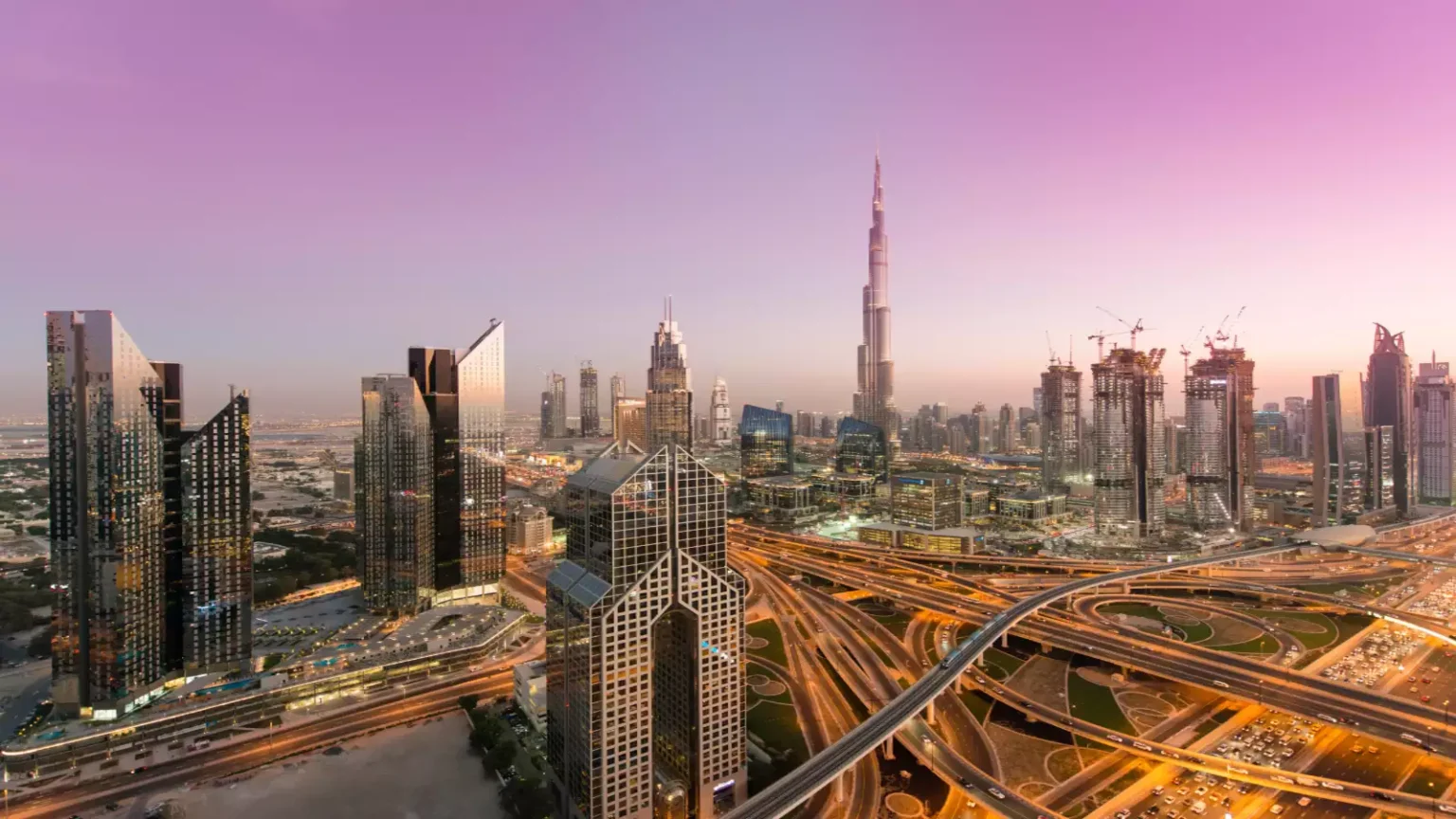
For decades, the Gulf’s wealth narrative has been centered around oil. But today, a new storyline is emerging—one shaped by palm-fringed islands, glittering skyscrapers, and heritage-filled cities. Tourism is no longer a supporting actor in the Gulf’s economic success; it’s stepping confidently into a lead role. From Dubai’s luxurious resorts to Saudi Arabia’s ancient ruins, the region is turning travel into an economic engine.
As global visitors flock to the Gulf in record numbers, countries like the UAE, Saudi Arabia, Qatar, and Oman are diversifying their income streams and creating new opportunities across sectors. Let’s explore the 7 powerful ways tourism is fueling the Gulf’s economic growth.
1. Job Creation Across Multiple Sectors
One of the most immediate and visible impacts of tourism is job creation. As footfall increases, so does demand for services across hospitality, transportation, retail, and entertainment. From hotel staff and tour guides to restaurant owners and taxi drivers, the tourism boom is putting more people to work.
In addition to direct employment, tourism also stimulates indirect jobs in sectors like logistics, agriculture, and construction. A growing number of young Gulf nationals are entering hospitality management, aviation, and events—industries that were once overshadowed by oil-related careers.
The ripple effect of job growth isn’t just economic; it brings social change by empowering youth, reducing unemployment, and encouraging entrepreneurship.
2. Infrastructure Development and Urban Growth
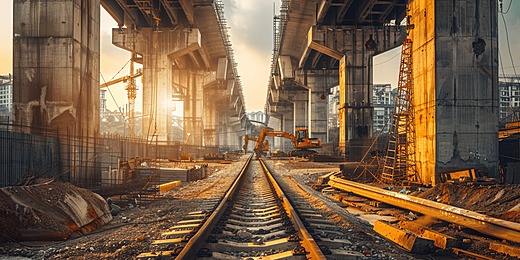
Tourism is often a catalyst for massive infrastructure projects. Gulf countries are investing billions into modern airports, metro lines, highways, and luxury hotels—not just to attract tourists, but to create smart, livable cities.
Dubai’s skyline is already iconic, but Saudi Arabia’s Vision 2030 is making headlines with megaprojects like NEOM and The Red Sea Project. These developments are reshaping not only the economy but the very geography of the region.
New resorts, museums, entertainment districts, and eco-tourism zones are emerging in previously untapped areas. The result? Increased real estate value, better public services, and enhanced global appeal.
3. Surge in Foreign Direct Investment (FDI)
Tourism doesn’t grow in a vacuum. With rising visitor interest comes increased investor confidence. Global hotel chains, travel-tech companies, and entertainment giants are now setting up shop in the Gulf, fueling a surge in foreign direct investment.
This injection of international capital diversifies the economy and reduces reliance on public funding. It also encourages knowledge transfer, where local businesses benefit from global expertise, and creates competitive markets where innovation thrives.
As Gulf nations continue to open up and simplify business regulations, tourism-related FDI is expected to soar in the coming years.
4. Boost for Local Businesses and SMEs

Tourists bring spending power—and much of that money flows into local economies. Souvenir shops, heritage villages, food stalls, art galleries, and wellness centers are experiencing a revival thanks to increased tourist interest in authentic experiences.
Small and medium-sized enterprises (SMEs), especially those rooted in culture, are benefiting from renewed demand. From handmade crafts in Oman to desert tours in the UAE, local entrepreneurs are capitalizing on the desire for immersive travel.
Governments are stepping in to support these businesses through grants, incubators, and tourism-focused training programs. This localized economic activity helps ensure that tourism benefits are widely distributed, not just concentrated in large cities or corporate hands.
5. Cultural Preservation and National Branding
Far from erasing heritage, tourism is reviving it. Gulf countries are leveraging their rich cultural identities—through music, cuisine, fashion, and architecture—as tourism assets. Museums, cultural festivals, and heritage sites are being restored and showcased to the world.
Saudi Arabia’s AlUla, for instance, is positioning itself as a must-visit historical destination. Similarly, Qatar’s emphasis on Islamic art and traditional markets is creating a narrative that blends old-world charm with modern flair.
This preservation isn’t just about pride. It’s a long-term investment in national branding. When tourists associate a country with beauty, culture, and hospitality, the brand equity improves. This in turn boosts exports, international partnerships, and soft power on the world stage.
6. Increased Non-Oil Revenue
Tourism is proving to be a reliable source of non-oil income. With travel recovery post-pandemic and global curiosity about the Gulf at an all-time high, tourism revenues are setting new records.
Ticket sales from events like the FIFA World Cup in Qatar, Expo 2020 in Dubai, and music festivals in Riyadh brought in billions. Additionally, visa fees, hotel taxes, and tourism licensing contribute directly to government coffers.
More importantly, these earnings are cyclical—one visitor’s positive experience leads to more visitors. As tourism ecosystems mature, countries can expect steady annual revenue from both leisure and business travel.
7. Acceleration of Sustainability and Innovation
Today’s tourists are more environmentally conscious than ever. This has encouraged Gulf countries to integrate sustainability into their tourism plans. From solar-powered resorts and green architecture to conservation-focused wildlife experiences, the Gulf is redefining what eco-tourism can look like in desert climates.
In parallel, smart tourism initiatives—such as facial recognition at airports, AI-powered travel planning, and immersive AR/VR experiences at museums—are pushing the region to the forefront of travel innovation.
These sustainable and tech-forward efforts not only attract mindful travelers but also prepare the region for long-term resilience in an ever-evolving global economy.
A Shared Vision: Regional Cooperation on Tourism
While each Gulf country has its own strategy, there’s a growing sense of regional synergy. GCC countries are collaborating to promote inter-Gulf tourism, unified travel visas, and shared infrastructure initiatives.
Tourism boards are working together to position the Gulf as a connected yet diverse travel destination—where a visitor can go from shopping in Dubai to snorkeling in Oman to exploring ancient ruins in Saudi Arabia, all within a few hours’ flight.
This regional cohesion strengthens the collective brand of the Gulf and enhances its appeal in competitive global travel markets.
Conclusion
The story of tourism in the Gulf is more than an economic pivot—it’s a bold reimagination of identity, opportunity, and global relevance. By turning sand dunes into five-star resorts, ancient ruins into must-see attractions, and cities into cultural melting pots, the Gulf is showcasing its past and future to the world.
What started as a push to diversify from oil is becoming a vibrant new pillar of prosperity. With vision, investment, and passion, the tourism boom is not just transforming economies—it’s transforming lives across the region.
Inside Saudi’s Own Version of El Clásico: Crossing the Great Cultural Divide

