

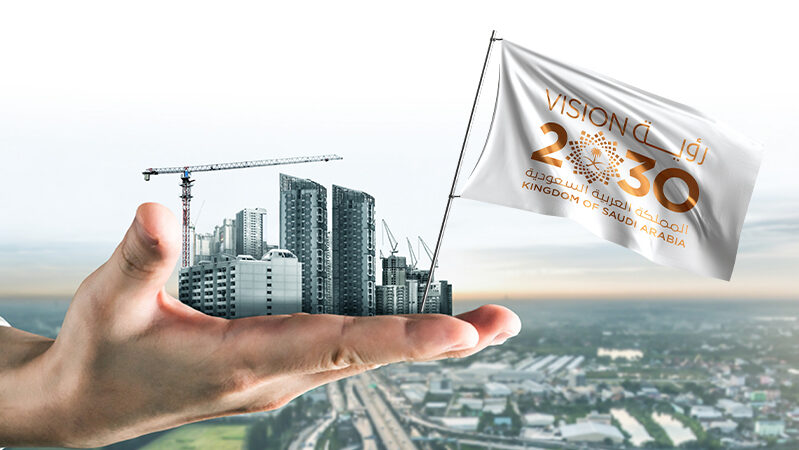
Saudi Arabia, traditionally known for its vast deserts and rich oil reserves, is undergoing a remarkable transformation. Central to this metamorphosis is Vision 2030, an ambitious plan unveiled by Crown Prince Mohammed bin Salman, aiming to diversify the economy and position the Kingdom as a leading global tourism destination. This bold initiative is focused on reducing Saudi Arabia’s dependency on oil by developing sectors such as tourism, entertainment, and technology. The ultimate goal is to create a dynamic, sustainable economy that attracts international visitors and investors alike.
Massive Investments in Tourism Infrastructure
To achieve these lofty goals, Saudi Arabia has committed over $500 billion toward sustainable and innovative tourism projects. The country is leveraging its cultural heritage, pristine landscapes, and state-of-the-art infrastructure to create a unique tourism offering. Tourism Minister Ahmed Al-Khateeb emphasized these efforts during the World Economic Forum Annual Meeting 2025 in Davos, where he underscored the Kingdom’s commitment to eco-friendly tourism development and cultural exchange.
As part of its Vision 2030 plan, Saudi Arabia is focused on both developing high-end luxury resorts and promoting the country’s rich historical and cultural assets. The plan also seeks to increase the Kingdom’s global share of tourism, aiming for an annual influx of 100 million visitors by 2030. This ambitious target is set against a backdrop of Saudi Arabia’s current status as a hub for religious tourism, particularly for Muslims visiting Mecca and Medina for Hajj and Umrah.
Key Tourism Initiatives Under Vision 2030
Several monumental projects are at the heart of this transformation, which are expected to change the face of tourism in the region:
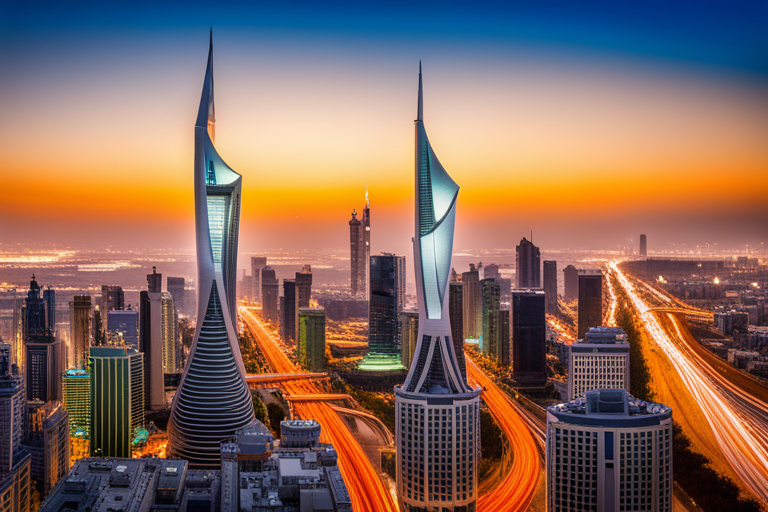
- The Red Sea Project: This ultra-luxury eco-tourism destination is located along Saudi Arabia’s western coast and is one of the most high-profile components of Vision 2030. The project will feature pristine beaches, luxury resorts, and state-of-the-art infrastructure designed to attract international tourists. What sets it apart is the commitment to sustainability, making it an environmentally friendly tourism hub while showcasing the natural beauty of the Red Sea.
- Diriyah: As a UNESCO World Heritage site, Diriyah holds immense historical significance for Saudi Arabia. The site, located just outside Riyadh, is being reimagined as a vibrant cultural hub. It will serve as a destination where visitors can explore Saudi Arabia’s rich history, with plans for museums, galleries, and heritage sites that tell the story of the Kingdom’s origins and culture.
- Qiddiya: Set to become a world-class entertainment and leisure destination, Qiddiya is a massive project under development near Riyadh. It will feature theme parks, sports facilities, cultural venues, and residential areas. With its bold, cutting-edge offerings, Qiddiya is designed to compete with the world’s top entertainment hubs, attracting families, thrill-seekers, and sports enthusiasts from around the globe.
Achieving and Surpassing Tourism Targets
Saudi Arabia’s efforts are already showing positive results. In 2023, the Kingdom surpassed its Vision 2030 target by attracting over 100 million visitors, seven years ahead of schedule. Tourism revenues reached $36 billion, with non-religious tourism experiencing significant growth. This growth was driven by an increase in international events, festivals, and leisure travel, as well as an influx of business visitors due to the Kingdom’s growing role as a global economic hub.
What is particularly notable is the surge in non-religious tourism. Traditionally, Saudi Arabia’s tourism industry has been centered around religious pilgrimages to Mecca and Medina. However, the Vision 2030 push has helped diversify the sector, drawing more international travelers interested in Saudi Arabia’s natural landscapes, culture, and high-end leisure offerings. The country’s efforts have proven successful in opening new tourism avenues for travelers seeking a rich and diverse experience.
Addressing Economic Challenges
While the Vision 2030 plan has made great strides in the tourism sector, challenges persist. One of the main hurdles is the Kingdom’s reliance on oil revenues, which continue to be an essential component of its economy. A sharp decline in global oil prices in recent years has affected the funding of mega-projects, such as the futuristic Neom city and other ambitious developments under the Vision 2030 umbrella.
Oil remains the backbone of the Kingdom’s economy, and the fluctuating global market poses a risk to the continuity of these projects. Analysts have suggested that the government may need to scale back or delay certain projects or shift its focus to key investments. The challenges of financing these mega-projects amidst economic uncertainty have led some to speculate that Saudi Arabia may also need to increase borrowing and taxation to meet its fiscal goals.
Highlighting Specific Projects
Several key developments are garnering attention, as they represent Saudi Arabia’s vision for the future of tourism and innovation:
- Neom: An ambitious $8.8 trillion project, Neom aims to create a futuristic city powered by advanced technologies such as artificial intelligence, biotechnology, and renewable energy. While the project has drawn global attention due to its grand scale and visionary goals, it faces significant hurdles. Soaring costs, dwindling oil revenues, and geopolitical tensions have led to concerns about its long-term feasibility. Despite these obstacles, Neom is considered a cornerstone of Vision 2030, and the Saudi government remains determined to bring this visionary project to life.
- Sindalah Island: Situated in the Tabuk province, part of the larger Neom region, Sindalah Island is designed to be a luxury island destination that draws wealthy international travelers. However, the project has faced delays and budget overruns, with the grand opening scheduled for October 2024 — three years behind its initial timeline and at three times the original budget. Despite these setbacks, the island is expected to become one of the most exclusive destinations in the world once completed.
- Rua Al Madinah: This real estate development project in Medina is aimed at enhancing the experience of Umrah pilgrims. Once complete, it is expected to accommodate up to 30 million pilgrims annually by 2030. Rua Al Madinah is part of the broader effort to modernize the infrastructure for religious tourism while creating thousands of jobs in the process. This development will significantly contribute to the local economy and Saudi Arabia’s broader tourism objectives.
- Jeddah Central: A $20 billion initiative to develop central Jeddah, this project includes hotels, residential units, and cultural venues. Jeddah, known as a key port city, will benefit from this development, which is expected to generate thousands of jobs and contribute significantly to the national GDP by 2030.
- Soudah Peaks: A mountainous region in the ‘Asir province is being developed as a major tourism destination. This project is designed to attract millions of visitors annually, with eco-friendly resorts and outdoor activities. Soudah Peaks is expected to contribute billions to Saudi Arabia’s economy and create thousands of jobs in the process, providing yet another opportunity for diversification away from oil.
Looking Ahead
Despite facing challenges, Saudi Arabia remains fully committed to its Vision 2030 objectives. The country recognizes that transforming the tourism sector is crucial to achieving a sustainable, diversified economy and fostering global cultural exchange. The Kingdom’s strategic investments in tourism infrastructure, eco-friendly development, and innovative cultural experiences are reshaping its tourism landscape. By positioning itself as a global tourism powerhouse, Saudi Arabia is well on its way to attracting millions of visitors from around the world, showcasing its rich cultural heritage, and creating a future fueled by innovation and sustainability.
As the world begins to look beyond oil for economic growth, Saudi Arabia’s Vision 2030 could prove to be a model for other nations seeking to diversify and thrive in the 21st century.
Do follow gulf magazine on Instagram
for more information click here

