

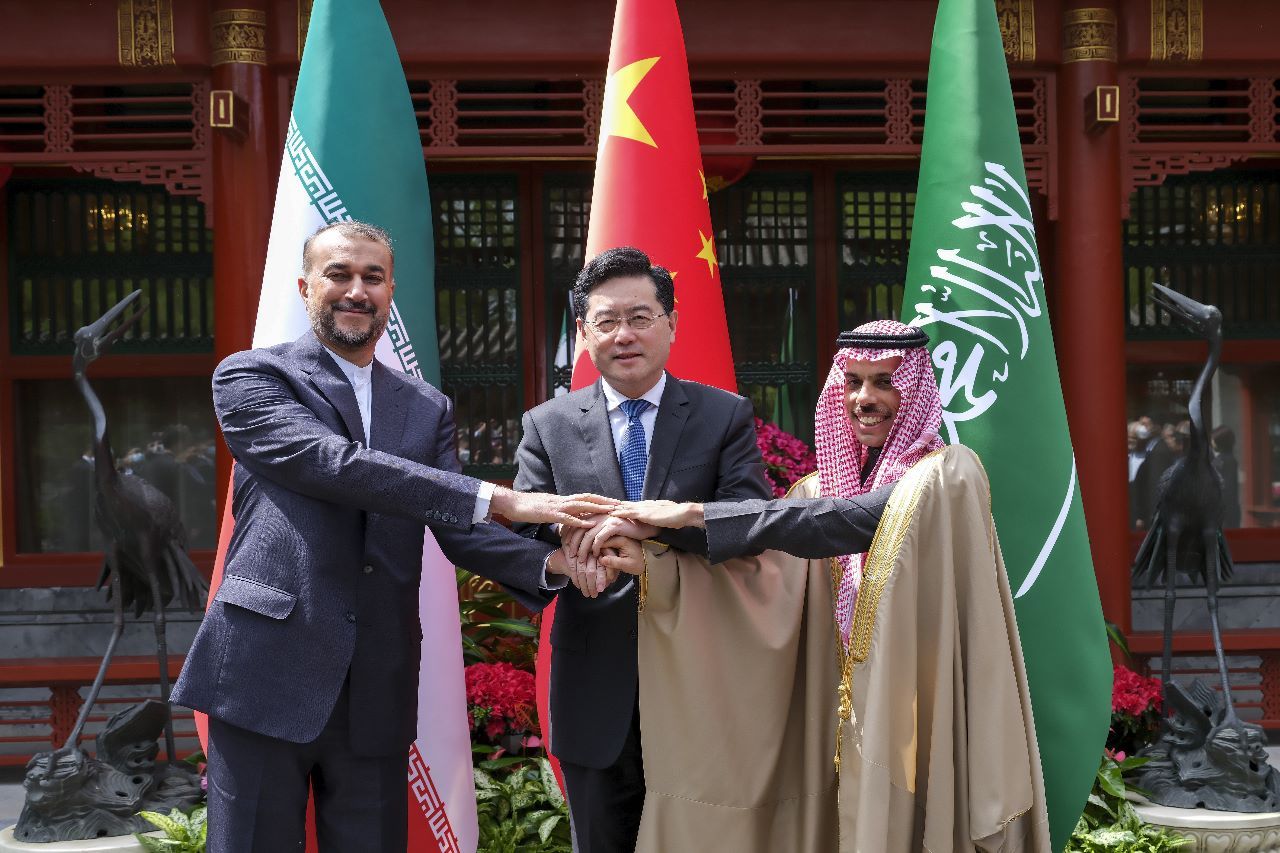
In a move that could reshape the balance of power in the Middle East, Saudi Arabia has made it clear that it may pursue nuclear weapons if Iran successfully develops a nuclear bomb. This bold stance reflects a deepening concern in the region over Iran’s rapidly advancing nuclear program and the possibility of an emerging nuclear arms race.
The comments, echoed in recent diplomatic and media discussions, suggest that Saudi Arabia is preparing for a future where regional security could be determined by nuclear deterrence rather than traditional alliances or military strength alone.
Rising Concerns Over Iran’s Nuclear Program
Tensions surrounding Iran’s nuclear ambitions have been growing steadily for years. Iran has been enriching uranium at levels that many experts say are dangerously close to weapons-grade. While Iran continues to insist its nuclear program is for peaceful purposes—such as medical research and civilian energy—international watchdogs and governments remain skeptical.
The International Atomic Energy Agency (IAEA) has repeatedly expressed concerns over Iran’s refusal to fully cooperate with inspections. Recent reports have indicated that Iran now possesses enriched uranium close to the levels needed to produce a nuclear bomb, although they have not yet assembled one.
This development has put the entire region on alert. The United States and Israel, long-time critics of Iran’s nuclear activities, have issued strong warnings. Meanwhile, indirect talks are reportedly underway in Oman between Iranian and U.S. diplomats, seeking a peaceful resolution to the growing crisis. But the uncertainty continues to fuel fear and suspicion across the Gulf.
Saudi Arabia’s Position: A Nuclear Counterbalance?
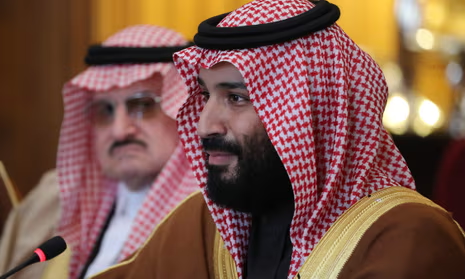
Saudi Arabia, one of the most influential Arab states and a strategic ally of the West, has remained officially opposed to nuclear proliferation in the region. However, Crown Prince Mohammed bin Salman has previously hinted that if Iran acquires a nuclear bomb, the Kingdom will not hesitate to do the same.
This position has now been restated more clearly than ever before, reflecting the shifting dynamics of regional security. The Kingdom sees a nuclear-armed Iran not only as a direct threat to its sovereignty but also as a destabilizing force that could embolden Iran’s regional allies, such as Hezbollah in Lebanon and the Houthis in Yemen.
Saudi officials argue that if the global community cannot prevent Iran from becoming a nuclear power, then Riyadh must act to protect itself and maintain a strategic balance. In essence, the Saudis are signaling a willingness to enter the nuclear arena if they are left with no other option.
What Could a Nuclear Saudi Arabia Mean?
If Saudi Arabia moves forward with its own nuclear program, the geopolitical consequences would be massive. For decades, the Middle East has remained a region under constant military and political strain—but the introduction of multiple nuclear states could take tensions to a whole new level.
A nuclear Saudi Arabia would likely push other regional powers, such as Egypt and Turkey, to consider similar programs. This could lead to a full-blown nuclear arms race in a region already riddled with sectarian divides, ongoing wars, and unresolved conflicts.
Moreover, such a move could complicate international diplomacy. It would force global powers like the United States, Russia, and China to reevaluate their positions and commitments in the region. The already fragile alliances in the Gulf Cooperation Council (GCC) could be strained further, especially between nations like Qatar, the UAE, and Bahrain.
Israel’s Role and the Bigger Picture
Israel, believed to possess nuclear weapons despite never officially confirming it, is also deeply involved in the current situation. Israeli leaders have long considered Iran’s nuclear capability as a “red line” and have not ruled out military action to prevent Tehran from acquiring a bomb.
Should Iran go nuclear, and Saudi Arabia respond with a similar program, Israel may feel increasingly isolated or threatened—despite its advanced military capabilities. This scenario could prompt further shifts in defense strategy, regional cooperation, or even open conflict.
It is important to note that Saudi Arabia and Israel, though not formally allies, have in recent years found common ground on regional issues, especially concerning Iran. If both nations were to feel simultaneously threatened by Tehran’s nuclear potential, it might push them toward deeper—although unofficial—strategic cooperation.
What Is the World Doing?
The world is watching closely. The United States has deployed bombers to the region in recent months, signaling its readiness to respond to any escalation. Meanwhile, Western nations are urging diplomacy and a renewed nuclear agreement with Iran—similar to the 2015 Joint Comprehensive Plan of Action (JCPOA), which the U.S. exited in 2018.
Efforts to bring Iran back to the negotiating table are ongoing, but the path is difficult. Iran demands the lifting of sanctions before reducing uranium enrichment, while the West wants Iran to slow or halt its nuclear progress first. This diplomatic deadlock adds to regional anxiety, as there is currently no clear resolution in sight.
Saudi Arabia, for its part, is urging the global community to address the issue with seriousness. Officials have said that if Iran is not held accountable or limited through international agreements, other nations in the region will be forced to take matters into their own hands.
A Crossroads for the Middle East
The Middle East may be approaching a critical turning point. Iran’s nuclear ambitions, combined with Saudi Arabia’s willingness to pursue its own weapons program, is a serious warning sign. It highlights just how fragile peace and stability are in this part of the world.
The Kingdom of Saudi Arabia has always presented itself as a stable force in the region. If it decides to pursue nuclear weapons, it will mark a historic shift—not just in policy, but in the strategic future of the Gulf and beyond.
The next few months will be vital. The direction of Iran’s nuclear program, the outcome of international talks, and the reactions of Saudi Arabia, Israel, and others could decide whether the region moves toward greater security—or slips into a dangerous new era of arms competition.
Bahrain International Airport Achieves Triple Win at 2025 Skytrax World Airport Awards

