

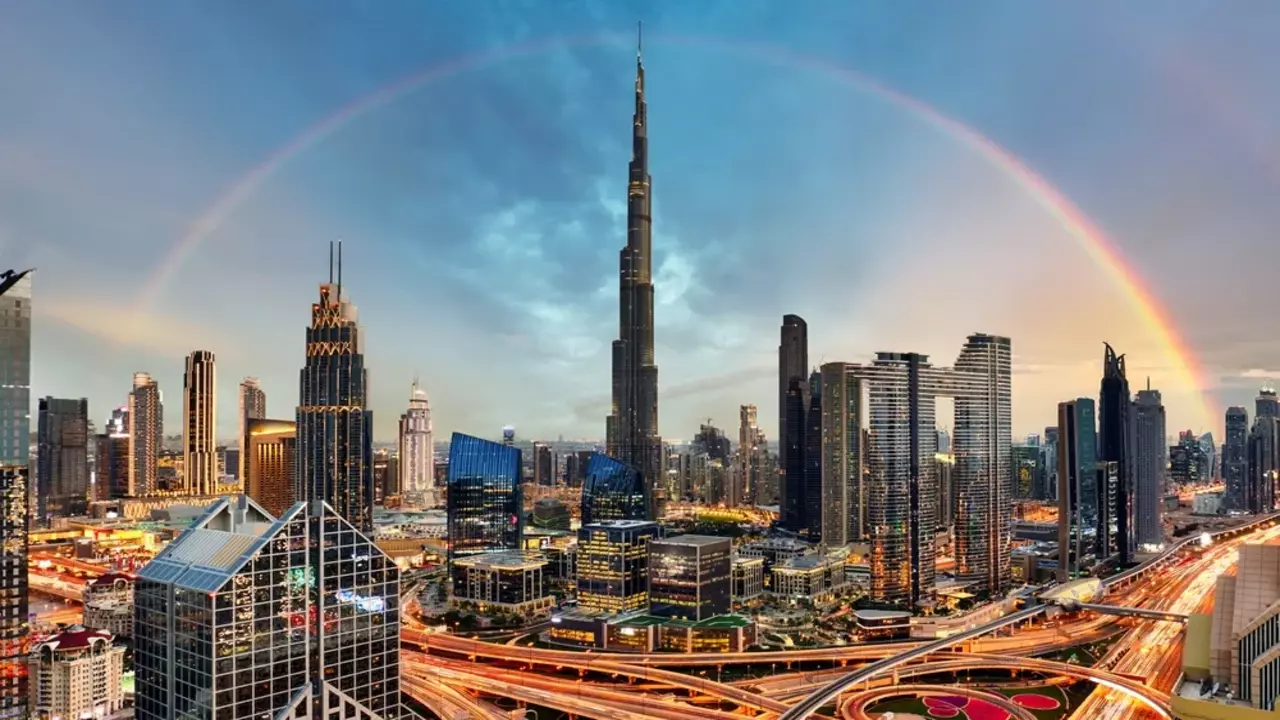
Navigating Dubai’s Dynamic Real Estate Landscape
Dubai’s real estate market has long been a beacon of innovation and growth, attracting investors and residents from around the globe. As we progress through 2025, several key trends are emerging, offering insights into where the market is headed. This article explores these developments, shedding light on the factors influencing Dubai’s property sector.
1. Surge in Luxury and Branded Residences
Dubai’s allure as a luxury destination is evident in its thriving high-end real estate market. Areas like Palm Jumeirah and Emirates Hills have seen property prices increase by 20% annually. The city recorded $7.6 billion in sales of properties priced over $10 million in 2023, surpassing markets like London and New York. Developments such as the Bugatti Residences, featuring amenities like private car elevators and swimming pools, underscore Dubai’s commitment to luxury living.
2. Emphasis on Sustainability and Smart Technologies
Aligning with global sustainability goals, Dubai is integrating eco-friendly designs and smart technologies into its real estate projects. Initiatives like Dubai Sustainable City exemplify this shift towards green living. The adoption of technologies such as IoT, AI, and blockchain is transforming property transactions and management, enhancing transparency and efficiency in the market.
3. Growth of Off-Plan Investments and Co-Living Spaces

Off-plan properties are gaining popularity due to flexible payment plans and potential for capital appreciation. Co-living spaces are also on the rise, catering to millennials and expatriates seeking affordable yet quality living arrangements. These developments foster community living and offer modern amenities, meeting the evolving demands of residents.
4. Robust Rental Market with Attractive Yields
Dubai’s rental market remains strong, with rental yields significantly higher than global averages. Short-term rentals have seen a 30% increase in demand compared to the previous year, reshaping the market landscape and offering attractive returns for property owners. Areas like Downtown Dubai and Dubai Marina continue to be prime locations for both short-term and long-term rentals.
5. Strategic Government Policies and Infrastructure Developments

Supportive government initiatives, including long-term visas and 100% foreign ownership in certain sectors, are attracting international investors. Major infrastructure projects, such as the expansion of public transport and the development of Expo City Dubai, are enhancing connectivity and livability, further boosting the real estate sector.
Conclusion: A Vibrant Future Ahead
Dubai’s real estate market in 2025 is characterized by luxury, sustainability, innovation, and strategic growth. The convergence of these trends positions Dubai as a leading global real estate hub, offering diverse opportunities for investors and residents alike. As the market continues to evolve, staying informed about these developments will be key to navigating its dynamic landscape. Dubai’s real estate market is not just evolving—it’s setting benchmarks for global urban living. As we look ahead, it’s clear that the emirate is positioning itself as more than a property investment destination; it’s becoming a lifestyle brand of its own. The fusion of futuristic architecture, advanced infrastructure, and world-class amenities is creating a living experience that resonates with both investors and end-users.
One of the most striking aspects of Dubai’s trajectory is its adaptability. Whether it’s responding to global economic shifts or embracing technological disruption, the city continues to innovate at pace. The focus on sustainable, smart communities reflects a forward-thinking mindset that aligns with the aspirations of modern homeowners and renters. From solar-powered developments to AI-integrated home automation systems, the landscape is evolving with sustainability at its core—not just as a trend, but as a long-term vision.
Moreover, Dubai’s government remains a powerful catalyst for real estate resilience. By introducing progressive policies such as golden visas, digital real estate platforms, and tax-friendly environments, authorities are creating a fertile ground for continued growth. These steps are not just attracting international capital but also nurturing local entrepreneurship and innovation in real estate and property tech.
For those looking to invest, relocate, or simply stay informed, keeping an eye on Dubai’s real estate market is more relevant than ever. The emirate isn’t just planning for the future—it’s actively building it, one iconic skyline and sustainable community at a time.
Saudi Arabia’s Shocking Move: Political Prisoners Freed Amid Global Scrutiny

