


Saudi Arabia Enforces Strict Makkah Entry Ban for Expats Without Permits
In a significant move to regulate the upcoming Hajj season and ensure a more controlled environment, Saudi Arabia has implemented a strict entry ban for expatriates attempting to enter Makkah without valid permits. The new rule, effective from April 23, 2025, aims to improve security and crowd management during the sacred pilgrimage, ensuring that only authorized individuals can access the holy city of Makkah during this critical time.
The General Directorate of Public Security announced that expatriates residing in the Kingdom of Saudi Arabia must present one of the following official documents to gain access to Makkah:
- A Valid Hajj Permit
- A Residency Permit (Iqama) Issued in Makkah
- An Official Work Permit for Employment in Makkah
Aimed at Streamlining the Hajj Process
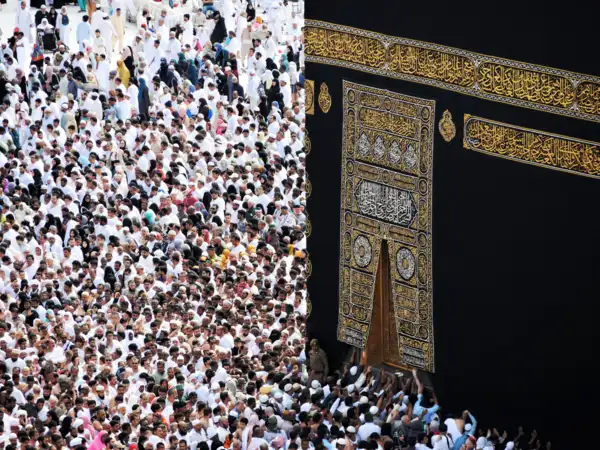
This decision is part of Saudi Arabia’s ongoing efforts to enhance the experience of Hajj, one of the largest annual religious gatherings in the world. With millions of Muslims converging in Makkah from across the globe, the Saudi authorities have been constantly refining the process to ensure both safety and smooth operations during this critical time. The entry ban on expatriates without the proper permits is seen as a proactive step in avoiding overcrowding and ensuring that only those who are directly involved in the pilgrimage process or have a legitimate reason to be in Makkah during this period are allowed access.
The new regulations also serve the dual purpose of preserving the sanctity of the pilgrimage and managing the logistics of Hajj more effectively. By restricting access to the city, authorities hope to reduce the strain on infrastructure and public services, which are already under immense pressure during this period. It also allows the Saudi government to enforce the law more efficiently and prevent unauthorized individuals from entering the sacred city during Hajj season.
The Role of Digital Systems in Facilitating Compliance
In line with its modernization efforts, Saudi Arabia has integrated the Hajj permit process into various digital platforms to make the system more transparent and user-friendly. Platforms such as Absher Individuals, Muqeem, and the unified digital system Tasreeh play a crucial role in enabling real-time verification of the documents presented by expatriates wishing to enter Makkah.
The use of digital systems helps to reduce administrative burdens for both the authorities and applicants. By streamlining the permit process, the Kingdom aims to minimize delays and ensure that permits are issued only to those who meet the necessary criteria. The Tasreeh system also allows for continuous monitoring of permit holders, making it easier to track entry and exit movements, enhancing the overall security and efficiency of the Hajj season.
The move toward digital platforms aligns with Saudi Arabia’s broader vision of embracing technology to better serve its citizens and residents, making the country more efficient and transparent in its operations.
Consequences for Expatriates and Residents Who Fail to Comply
For expatriates and residents who fail to adhere to the new regulations, the consequences could be severe. The government has made it clear that violations of these entry rules will not be tolerated. Those who attempt to enter Makkah without the appropriate documentation could face heavy fines, possible detention, or even deportation back to their home countries.
Authorities have deployed surveillance teams at key entry points to monitor movements and check the validity of documents. These measures are intended to detect and deter violations, ensuring that only those with legitimate reasons are granted access to Makkah.
Expats and residents are urged to plan ahead and apply for the necessary permits as early as possible. The high demand for permits during the Hajj season means that delays in applications could result in the inability to gain entry to Makkah, disrupting travel plans for many.
Ensuring a Safe and Orderly Hajj Experience
Saudi Arabia’s move to restrict Makkah entry to expatriates without permits underscores the Kingdom’s commitment to maintaining a safe and orderly environment for the millions of pilgrims who travel to the holy city each year. The goal is not only to protect the physical safety of the pilgrims but also to preserve the spiritual and religious significance of the pilgrimage.
Hajj is one of the five pillars of Islam and holds immense importance for Muslims worldwide. It is a time of deep reflection, prayer, and connection with fellow believers. Ensuring that the pilgrimage is carried out without disruptions is vital for the Kingdom, which has long been at the forefront of organizing one of the most complex logistical events in the world.
The strict entry ban for expatriates highlights Saudi Arabia’s focus on providing a controlled environment that prioritizes the safety of pilgrims while also maintaining order during one of the most significant religious events globally.
What Expats and Residents Need to Do
Expatriates and residents who wish to travel to Makkah during the Hajj season must ensure they comply with the new regulations. The first step is to apply for the appropriate permit, whether it is for Hajj, residency, or work. It is important to submit applications well in advance to avoid any issues with delayed approvals. In addition, residents should regularly check the official government portals like Absher and Muqeem for updates on permit issuance and any additional requirements.
Additionally, it is important to keep all relevant documents updated and accessible, as authorities may request verification at any time. Those intending to travel during Hajj should prepare to present these documents to authorities upon arrival at Makkah checkpoints.
Conclusion
Saudi Arabia’s new restrictions on Makkah entry for expatriates without permits are part of a larger initiative to better manage the Hajj season, ensuring that the event runs smoothly and safely for all participants. The Kingdom’s commitment to implementing stricter crowd control measures and making use of modern technology reflects its dedication to providing a safe and spiritually enriching experience for millions of pilgrims each year.
Expatriates and residents planning to visit Makkah during the Hajj season should take immediate steps to ensure they obtain the necessary documentation. Compliance with these new regulations will not only help maintain order but also avoid the risk of penalties, fines, or deportation. The success of this year’s Hajj season depends on the cooperation of all those involved, and adhering to the new rules is a critical part of that effort.
For more information click here

