

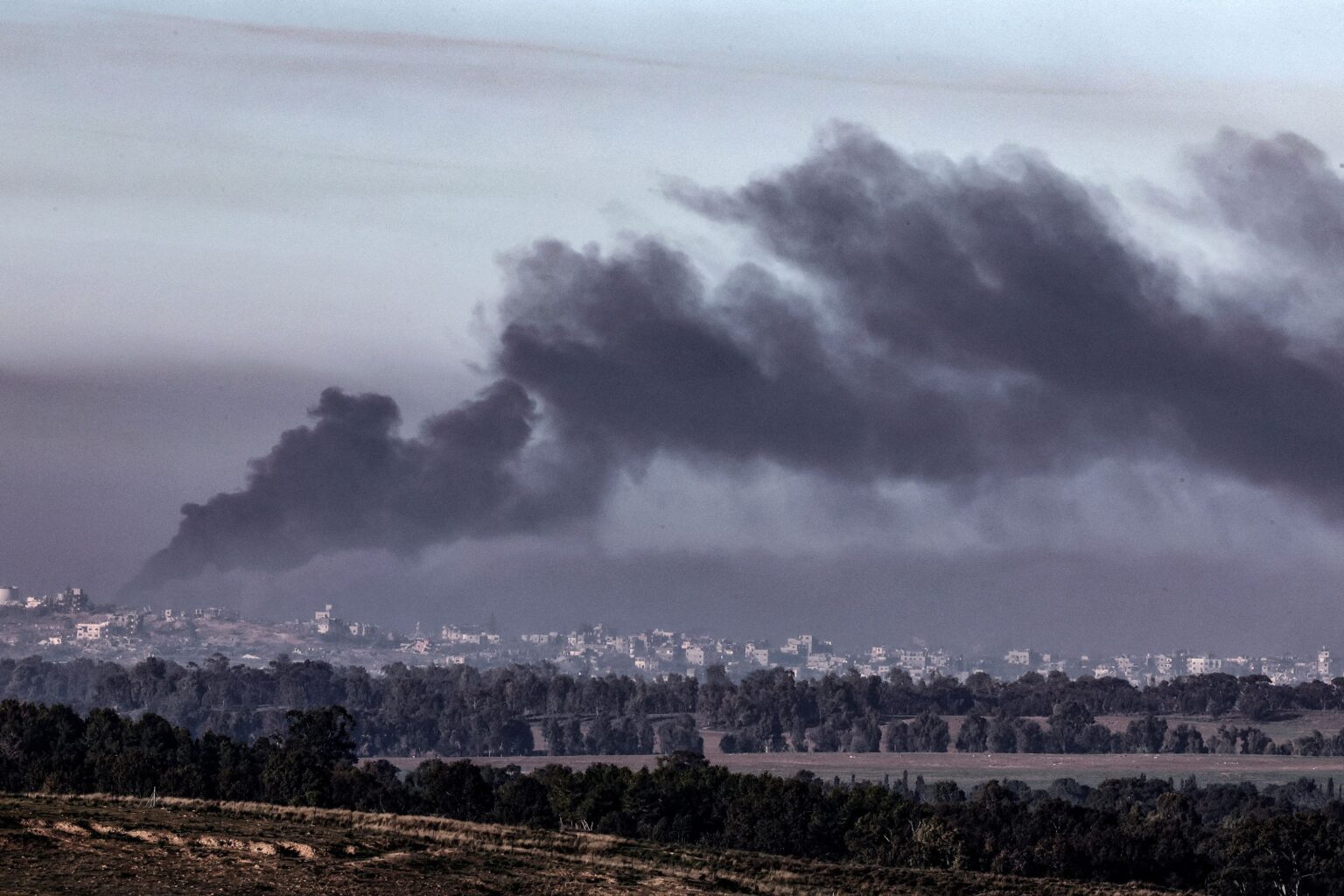
Middle East War seen as a country moving toward peace and rebuilding after decades of war, Iraq is now standing dangerously close to another major crisis. Rising tensions between powerful militias, foreign powers, and local political groups have created a situation where a single spark could ignite widespread conflict across the region.
Experts warn that if Iraq cannot carefully manage its internal and external challenges, it may soon become the next major battleground in the Middle East.
A Fragile Peace Under Growing Threat
For several years, Iraq enjoyed a fragile peace following the defeat of ISIS. Although political problems and occasional violence continued, the country appeared to be on a slow path to recovery. However, this period of relative calm is now being threatened from multiple directions.
Iran-backed militias within Iraq have ramped up their activities, targeting not only local rivals but also launching attacks across Iraq’s borders. Recently, these groups have fired drones at Israel, escalating tensions in a region already burdened with conflict. The militias have warned that more attacks are coming, and military analysts fear that if these threats materialize, it could pull Iraq into a much larger and deadlier war.
Iran’s Expanding Shadow in Iraq
Iran’s influence over Iraq’s political and military landscape is not new, but it has grown significantly stronger over the past year. Iranian leaders are reportedly sending advanced weaponry, including long-range cruise and ballistic missiles, to their proxy forces within Iraq. These weapons give the militias far greater reach, allowing them to target locations not just inside Iraq but across the Middle East.

This move is seen as part of Iran’s broader strategy to rebuild its regional power, especially after suffering losses in Syria, Gaza, and Lebanon. By strengthening its allies in Iraq, Iran can maintain pressure on its enemies — particularly Israel and the United States — without directly engaging in a full-scale war.
At the same time, this growing military presence inside Iraq places Baghdad’s government in an extremely difficult position. On one hand, Iraqi leaders need to maintain relations with Iran, a powerful neighbor and economic partner. On the other hand, they must prevent Iraq from becoming a battlefield for Iranian ambitions.
Political Struggles at Home
Inside Iraq, political tensions are also rising sharply. The government’s decision to invite Syria’s new president to a major Arab League summit caused deep divisions. Many Iraqis, particularly Sunni politicians, saw the invitation as a chance for Iraq to strengthen its role as a peacemaker in the region. However, Shiite political groups, many of which are closely tied to Iran, fiercely opposed the move.
The new Syrian leader’s background — with alleged links to extremist groups — only added to the controversy. Critics argue that by engaging with such figures, Iraq risks alienating key Arab allies and inflaming sectarian tensions at home.
These political disagreements weaken Iraq’s ability to present a unified front at a time when national unity is more important than ever.
U.S. Forces Remain in the Crosshairs
The United States still maintains around 2,500 troops in Iraq, mainly to help Iraqi forces fight the remnants of ISIS. Recently, joint operations have successfully targeted and killed senior ISIS militants hiding in Iraq’s western desert regions.
However, the presence of U.S. forces has also made them a target for Iran-backed militias, who view American troops as occupiers. Militia leaders have openly threatened retaliation against U.S. interests, raising fears of a repeat of past attacks on U.S. embassies, bases, and personnel.
If these threats turn into action, the U.S. could be drawn deeper into Iraq’s internal conflicts, possibly leading to a broader regional confrontation involving Iran, Israel, and Gulf states.
Hope for De-escalation?
Despite the mounting dangers, there are small but significant signs of hope. Some Iran-backed militias have indicated they may be willing to disarm or transform into political organizations. This shift comes in response to increasing pressure from the Iraqi government and fears of tougher actions from the U.S. and its allies.
Talks are ongoing about how to integrate these militias into Iraq’s regular security forces or civilian institutions. If successful, this could reduce the threat of militia violence and strengthen the central government’s control over the country. However, experts caution that disarming militias is a complicated and dangerous process that could backfire if not handled carefully.
The Iraqi government, under Prime Minister Mohammed Shia al-Sudani, is also stepping up diplomatic efforts. Al-Sudani recently met with leaders from Saudi Arabia and other neighboring countries to discuss ways to prevent further escalation. Iraq’s most influential religious figure, Grand Ayatollah Ali al-Sistani, has also issued statements urging political and military leaders to avoid dragging Iraq into another devastating war.
These diplomatic efforts highlight the fact that many Iraqis — both leaders and ordinary citizens — desperately want to avoid a new conflict. After suffering through decades of war, most Iraqis crave stability, economic development, and a chance for a better future.
The Stakes Could Not Be Higher
The situation in Iraq is a delicate balancing act. On one side lies the hope of peaceful reconstruction, regional diplomacy, and gradual progress. On the other side lurk powerful forces pushing for confrontation, either for ideological reasons or geopolitical gain.
If Iraq fails to navigate these treacherous waters, the consequences will not be limited to its own borders. A new war in Iraq would almost certainly spill over into neighboring countries, disrupt global oil markets, and deepen already dangerous divisions across the Middle East.
International observers stress the urgent need for strong leadership, wise diplomacy, and robust international support to help Iraq avoid disaster.
Conclusion
Iraq today stands at a crossroads. Will it succeed in keeping the peace and rebuilding its future, or will it fall once again into the chaos of war? The next few months could determine not only Iraq’s destiny but also the future stability of the entire Middle East.
The world watches anxiously, hoping that Iraq can choose the path of peace — but fearing that the forces of violence may once again prevail.
Kurdistan’s Education Revolution: A Blueprint for Iraq’s Future

