

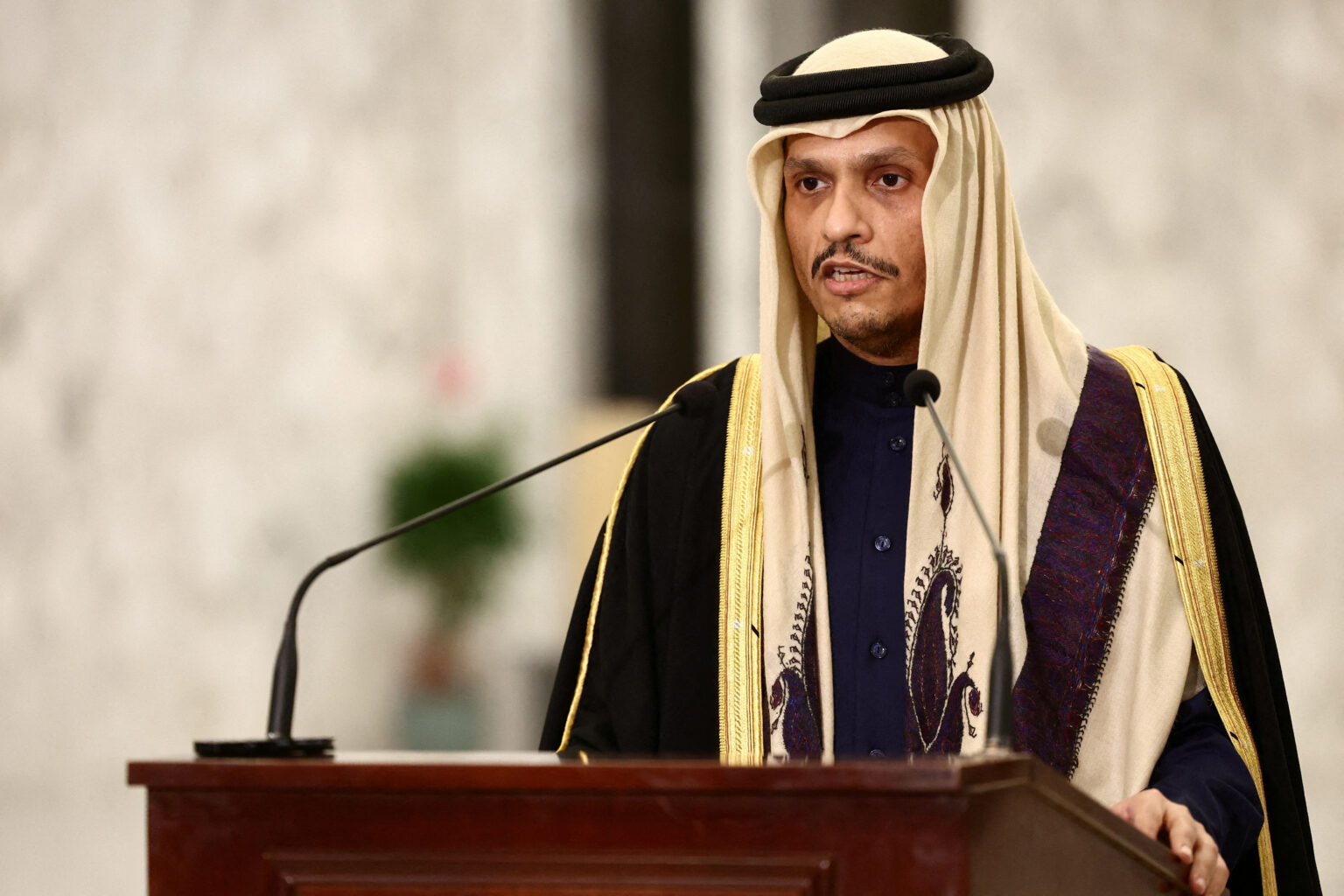
Qatar’s Prime Minister Sheikh Mohammed bin Abdulrahman Al Thani has sounded a serious alarm over the possible consequences of a military Nuclear Sites attack on Iran’s nuclear facilities. In a recent interview, he warned that such an attack could cause massive contamination of Gulf waters, threatening the main source of drinking water for millions of people across the region.
Speaking during a wide-ranging conversation with American media figure Tucker Carlson, Sheikh Mohammed highlighted that the Gulf’s water supply depends heavily on desalination plants. These facilities, especially in Qatar, the United Arab Emirates (UAE), and Kuwait, turn seawater into drinking water for more than 18 million people. A nuclear-related disaster could cripple these plants, putting entire nations at risk.
Water Crisis Fears Grow
The Prime Minister explained that if Iran’s nuclear sites — particularly the Bushehr Nuclear Power Plant located near the Gulf coast — were bombed or sabotaged, the resulting radiation could seep into the sea. This would not only make desalinated water unsafe to drink but also kill marine life vital to the Gulf’s ecosystem and economy.
“No water, no fish, no life,” Sheikh Mohammed said gravely. He stressed that such contamination would leave Gulf countries with no immediate alternatives for fresh water, creating a humanitarian crisis almost overnight.
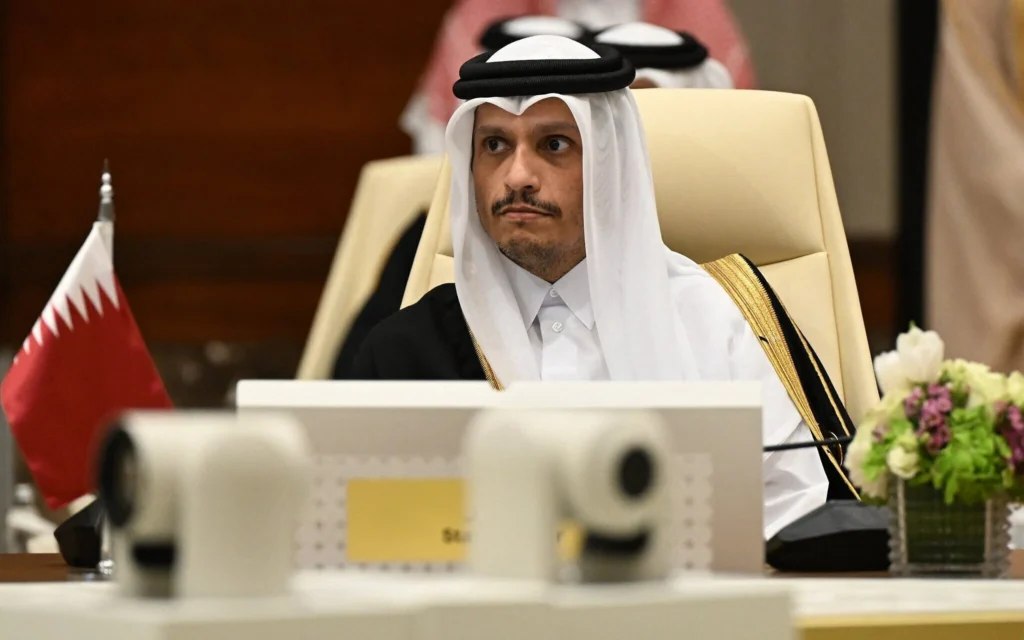
In preparation for potential emergencies, Qatar has built some of the world’s largest water reservoirs to increase its strategic water reserves. These reservoirs are designed to help the country cope if water desalination plants shut down. However, Sheikh Mohammed warned that even these reserves would only provide temporary relief. In the event of widespread radiation contamination, Qatar’s water supplies could run out in just three days.
Qatar’s Firm Stand Against Military Action
Beyond the environmental disaster, Sheikh Mohammed emphasized the political dangers of military confrontation. He made it clear that Qatar strongly opposes any military action against Iran’s nuclear facilities.
“There is no way that Qatar would support any kind of military step,” he said. “We believe in diplomacy and will not give up until we see a peaceful solution.”
Qatar, which often acts as a diplomatic bridge between conflicting parties, has repeatedly urged dialogue over force. The Prime Minister’s message reflects broader concerns among Gulf states that military escalation would destabilize the region even further, endangering both lives and economies.
Tensions Rising Between U.S. and Iran
The warning from Qatar comes amid rising tensions between the United States and Iran. After withdrawing from the 2015 nuclear deal, the U.S. under President Donald Trump reimposed heavy sanctions on Iran, aiming to pressure Tehran into agreeing to a new agreement.
Although U.S. officials have said they prefer a diplomatic solution, threats of military options have never been completely ruled out. Meanwhile, Iran insists that its nuclear program is for peaceful energy purposes and has rejected external pressure to alter its plans.
Regional experts have pointed out that any strike on Iran’s nuclear infrastructure, even if limited, carries huge risks. In addition to environmental catastrophe, a military move could trigger a wider conflict across the Middle East, drawing in other nations and possibly leading to long-term instability.
Environmental and Economic Fallout
The Gulf is already a fragile environment. Overfishing, pollution, and climate change have strained its ecosystems. An attack causing radioactive contamination would devastate marine life even further, wiping out fish populations, damaging coral reefs, and destroying coastal industries like fishing and tourism.
The desalination plants that most Gulf countries depend on are not designed to filter radioactive materials. If the water becomes contaminated, it would be extremely costly and time-consuming to develop alternative systems or import fresh water from elsewhere. In a worst-case scenario, entire cities could face water shortages within days, forcing mass evacuations and triggering widespread panic.
Economically, the effects could be devastating. Water shortages could cripple businesses, halt construction projects, and slow down economic growth across the Gulf Cooperation Council (GCC) countries. Already vulnerable to oil market swings and global economic pressures, a water crisis could push Gulf economies into deeper uncertainty.
A Call for Global Responsibility
Sheikh Mohammed’s urgent warning serves not just as a message to regional powers but also to the international community. He stressed that the impact of any attack would not stay limited to Iran or its immediate neighbors. The Gulf is a vital artery for global oil and gas supplies. A major environmental disaster could disrupt energy shipments, sending shockwaves through world markets.
He called on world leaders to act responsibly, emphasizing that diplomacy must remain the priority. Solving disputes through peaceful negotiation, he said, is the only way to secure a stable, prosperous future for the Middle East.
Conclusion
As geopolitical tensions continue to simmer, Qatar’s warning underscores how intertwined environmental safety and international peace have become. A military attack on Iran’s nuclear facilities would not just risk igniting war; it could also trigger a regional environmental crisis that affects millions of lives.
With water security hanging in the balance, Qatar’s leadership is urging cooler heads to prevail. Diplomacy, not destruction, remains the only viable path to lasting stability.

