

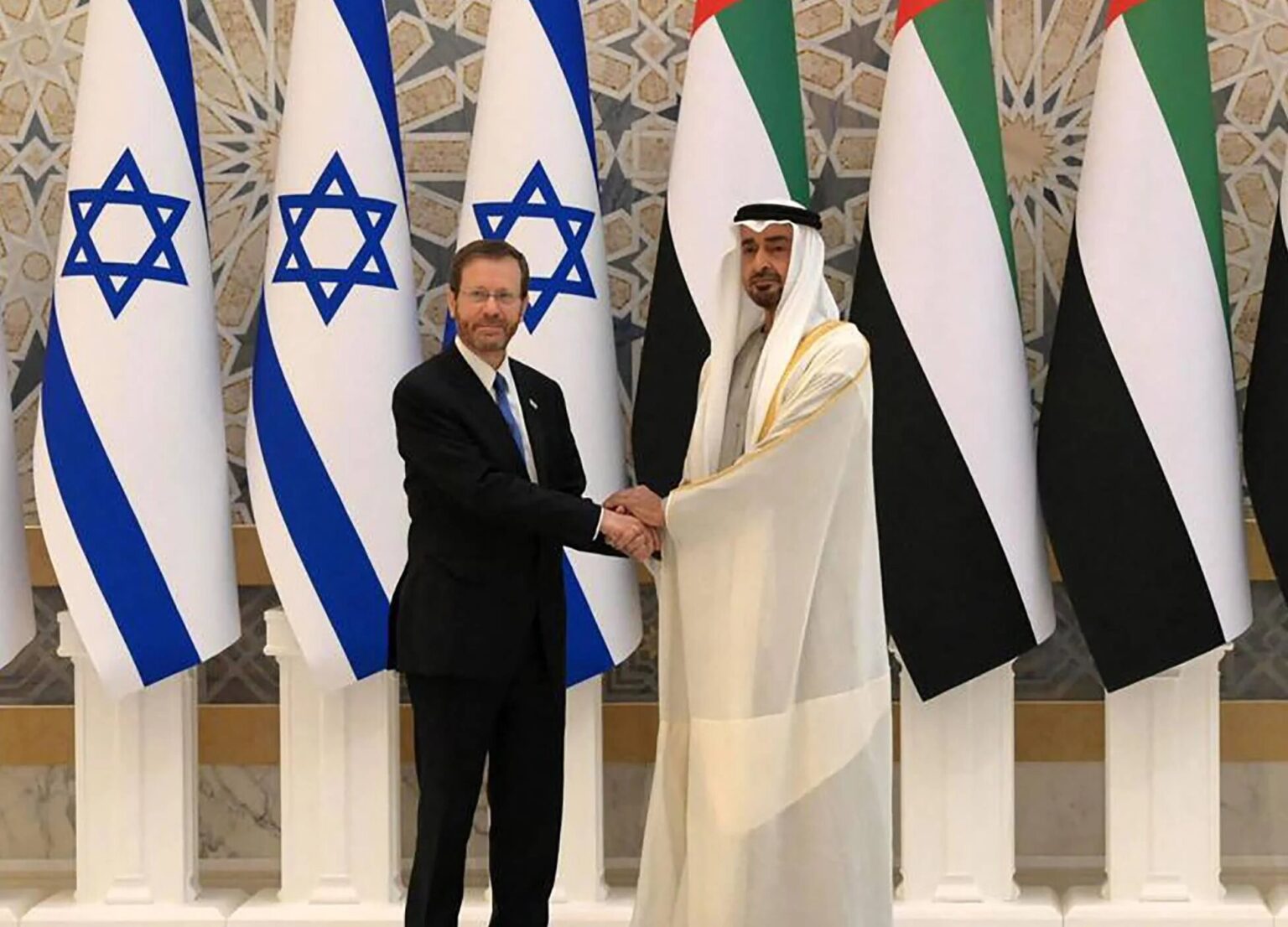
Partnerships with Israel a critical effort to reinforce strategic military alliances in the Middle East, senior U.S. defense leaders have engaged in high-level discussions with officials from Israel and the United Arab Emirates (UAE). These talks reflect the Biden administration’s strong focus on maintaining stability, security, and humanitarian support across a region marked by increasing tension and ongoing conflict.
The engagements, led by U.S. Secretary of Defense Lloyd J. Austin III and Deputy Assistant Secretary of Defense Daniel B. Shapiro, centered on boosting defense cooperation, addressing urgent security threats, and enhancing humanitarian efforts in Gaza and beyond.
Secretary Austin’s Strategic Call with Israel’s Defense Minister
U.S. Secretary of Defense Lloyd Austin recently held a phone call with Israel’s newly appointed Defense Minister, Israel Katz. The conversation marked one of Secretary Austin’s final engagements after a tour of Indo-Pacific nations and highlighted the United States’ enduring commitment to its closest ally in the region.
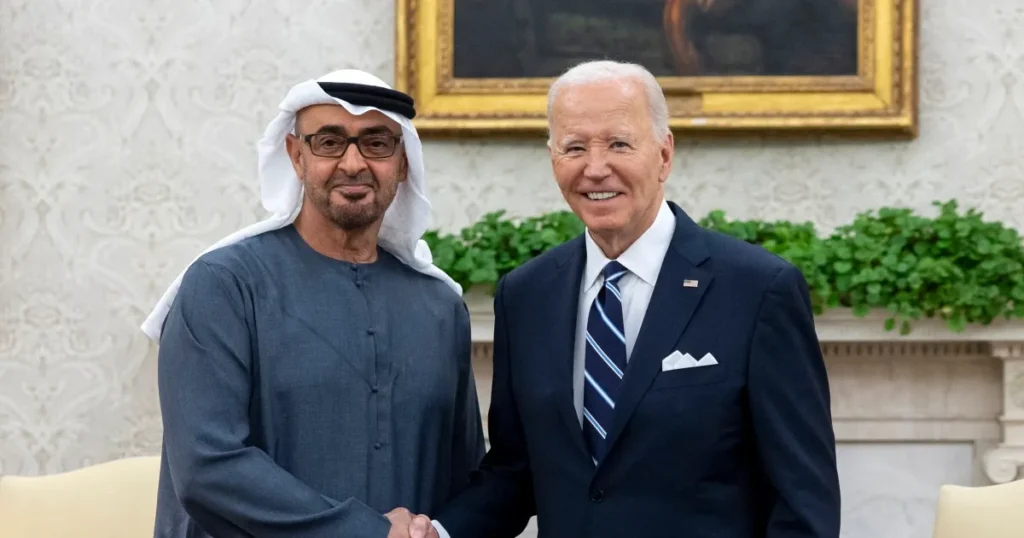
During the call, Secretary Austin reaffirmed the “ironclad” U.S. support for Israel’s right to defend itself from terrorism and external aggression. He expressed concern over escalating regional threats, including those posed by Hezbollah in southern Lebanon and Iran-backed proxy groups throughout the Middle East. Both leaders also discussed Israel’s ongoing military operations in Gaza, focusing on the need to safeguard civilians and avoid further humanitarian crises.
Secretary Austin encouraged Israel to increase humanitarian aid access into Gaza and to consider steps that would ease the suffering of innocent civilians caught in the crossfire. The U.S. continues to advocate for the safe and immediate release of all hostages, including American citizens still being held by Hamas and other militant groups.
Additionally, Austin emphasized the importance of protecting United Nations peacekeepers and the Lebanese Armed Forces in southern Lebanon. He stressed the need for diplomatic efforts to restore calm along the Israel-Lebanon border, allowing displaced civilians to return home safely.
UAE Named a Major Defense Partner: A Milestone in US-Gulf Relations
In a separate but related development, Daniel B. Shapiro, Deputy Assistant Secretary of Defense for the Middle East, visited the United Arab Emirates to reinforce growing defense ties between the two nations. Shapiro’s trip marked an important milestone following the White House’s recent designation of the UAE as a “Major Defense Partner” — a status previously held only by India.
This rare and prestigious designation significantly upgrades the UAE’s defense relationship with the United States. It opens doors for more advanced military cooperation, intelligence sharing, joint training exercises, and increased arms sales under more favorable terms. It also signals the depth of trust and mutual strategic interests shared by both nations.
During his visit, Shapiro held high-level meetings with UAE defense officials to discuss regional threats and the ongoing conflict in Gaza. Both parties reiterated their shared commitment to countering terrorism, promoting stability, and supporting diplomatic solutions to regional conflicts.
Discussions also focused on improving humanitarian assistance channels into Gaza and enhancing regional deterrence against malign actors. The UAE, like the United States, has expressed a desire for de-escalation and peace, while maintaining robust defense capabilities to protect its national interests.
A Region in Crisis: Why These Meetings Matter
These recent engagements come at a time of great tension in the Middle East. The war in Gaza has caused widespread destruction and humanitarian suffering, with thousands of civilians affected and infrastructure severely damaged. Meanwhile, concerns are growing over the possibility of a broader regional conflict involving Lebanon, Syria, Iran, and other actors.
The U.S. sees Israel and the UAE as critical partners in its broader Middle East strategy. Israel is a longstanding military ally with deep defense ties dating back decades, while the UAE represents a modernizing Gulf state that has increasingly aligned itself with Western defense and security priorities.
In recent years, both nations have become more interconnected through the Abraham Accords — a series of U.S.-brokered agreements that normalized diplomatic and economic relations between Israel and several Arab states, including the UAE. These agreements have opened new paths for military and intelligence cooperation, joint defense initiatives, and regional economic partnerships.
The recent talks underscore the importance of building a united front against shared threats, particularly those posed by Iran and extremist groups operating in the region. Both Israel and the UAE view Iran’s nuclear ambitions and support for proxy militias as major destabilizing forces, and both continue to work closely with the United States to contain these risks.
Defense, Diplomacy, and Humanitarian Support: A Three-Pillar Approach
A key message from the recent U.S. defense engagements is the need to balance military strength with diplomacy and humanitarian support. While military cooperation remains essential for deterring aggression, both the U.S. and its Middle Eastern partners recognize that long-term peace requires a combination of security, political dialogue, and humanitarian assistance.
The Biden administration has emphasized the importance of preventing further civilian casualties, restoring access to critical aid for Gaza, and promoting negotiations that could lead to more permanent ceasefires. Secretary Austin and Deputy Secretary Shapiro have both echoed these priorities during their recent conversations with Israeli and Emirati leaders.
These efforts are not only about protecting national interests but also about promoting shared values. By working together to prevent conflict and support human dignity, the U.S., Israel, and the UAE aim to build a more secure and prosperous future for the entire region.
Looking Ahead: What Comes Next?
As the situation in Gaza remains tense and talks of a broader Middle East conflict continue to swirl, the United States is doubling down on its strategic alliances. The engagements with Israel and the UAE are just part of a larger, multi-layered strategy that includes diplomacy, military readiness, and humanitarian outreach.
In the weeks and months ahead, observers can expect increased coordination between the U.S. and its allies, more joint training exercises, and deeper discussions on long-term regional peace. While challenges remain, the foundation is being laid for a stronger, more united front against instability in the Middle East.
Final Thoughts
These meetings reflect more than just formal diplomacy — they are a signal of trust, commitment, and shared vision. At a time when the region faces growing uncertainty, the United States, Israel, and the UAE are taking clear steps to protect their people, uphold international law, and pursue peace through strength.

