

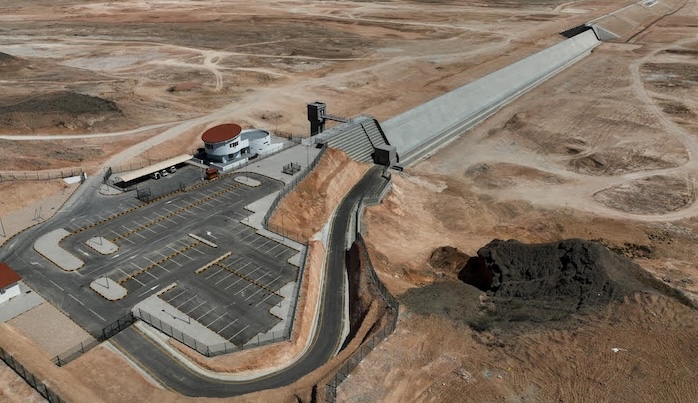
The Wadi An’ar Dam has officially opened in the Dhofar Governorate of Oman. Built at a cost of OMR 23 million, this dam is a major step in protecting the region from dangerous floods. The project is part of a national plan to improve Oman’s infrastructure and reduce the risks caused by heavy rainfall and cyclones.
Located in the southern part of the country, the Wadi An’ar Dam is designed to shield important locations like Salalah Port and the Raysut Industrial Zone. These areas are key to Oman’s economy and have suffered in the past from water damage during storms. This new dam will help keep them safe and working properly even during bad weather.
Why the Wadi An’ar Dam Matters
The Wadi An’ar Dam plays a crucial role in stopping floodwaters from reaching low-lying areas. When there are strong rains or cyclones, water from nearby mountains rushes down toward the coast. This can cause serious flooding and damage to homes, roads, and industries.
Now, with the Wadi An’ar Dam in place, that water will be captured and managed better. The dam will reduce the force and volume of floodwaters heading toward Salalah and its surrounding areas. It also helps control sediment — the dirt and rocks that floods usually carry along — which can block waterways and cause more damage.
Protecting these regions means protecting Oman’s economy. The Salalah Port is a major hub for shipping and trade in the Arabian Sea. The Raysut Industrial Zone is home to factories and other businesses that help fuel economic growth. Keeping these places safe from floods ensures that business continues as usual and that people’s jobs and lives are less likely to be affected.
Design and Construction of the Dam
The construction of the Wadi An’ar Dam was part of a larger project by the Ministry of Regional Municipalities and Water Resources. The goal was to build strong infrastructure that can handle the challenges brought by natural disasters. The dam was built by AZ Engineers & Partners L.L.C., an experienced construction company in Oman.
The full project included building both the Wadi An’ar Dam and another nearby dam, the Wadi Adawnib Dam. Together, these two dams cost nearly OMR 47 million. These are not just walls to block water—they are carefully designed systems that help control how water flows, where it goes, and how it affects nearby land.
The dam is made with durable materials that can hold back large amounts of water. It includes channels and outlets that release water in a controlled way, preventing sudden floods. Special care was also taken to design the dam in a way that blends with the surrounding landscape and does not harm the environment.
Impact on Local Communities and the Environment
The benefits of the Wadi An’ar Dam go beyond flood protection. The dam is expected to have a positive effect on the environment and on local communities.
For the environment, the dam helps in controlling soil erosion. When heavy rains hit, they usually wash away the top layer of soil. This can damage farmland and pollute rivers. The dam slows down this process by reducing the speed and strength of the water.
The dam also contributes to managing water more efficiently. During dry seasons, stored rainwater can be used to support agriculture and even improve groundwater levels.
For people living in Dhofar, the Wadi An’ar Dam brings peace of mind. Floods have long been a problem in the region. They can destroy homes, wash away roads, and leave people stranded. Now, thanks to this dam, the risk of such disasters is much lower. People can feel safer knowing that the government is taking serious steps to protect them.
Economic Benefits of the Dam
One of the biggest advantages of the Wadi An’ar Dam is the protection it offers to Salalah Port and the Raysut Industrial Zone. These are critical parts of Oman’s economy.
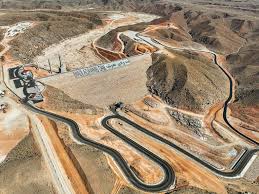
Salalah Port handles thousands of containers and shipments every year. If the port were to shut down due to flooding, the country could lose millions of rials. The Raysut Industrial Zone hosts many factories and storage areas. Damage here could lead to long-term setbacks for business and industry.
By preventing floods from reaching these areas, the dam saves money, protects jobs, and ensures the country’s economy continues to grow. In the long run, the investment in the dam will pay off many times over.
Planning for the Future
The opening of the Wadi An’ar Dam shows Oman’s commitment to building a safe and modern country. This dam is one of several projects aimed at preparing for the effects of climate change and unpredictable weather.
As global weather patterns change, Oman is likely to see more intense storms and heavier rainfall. Without protection, this could lead to even worse flooding in the future. But by investing in strong infrastructure now, the country is getting ahead of the problem.
Government officials have also made it clear that this is not the end. More dams and flood protection systems are planned for other parts of the country. These projects will continue to use modern technology and local expertise to create safer communities.
Conclusion
The Wadi An’ar Dam is a major success for Oman. At a cost of OMR 23 million, it provides safety, supports the economy, and protects the environment. It shows how smart planning and investment can create long-lasting benefits for people and businesses.
For the people of Dhofar, especially those living near Salalah and the Raysut Industrial Zone, this dam brings a new sense of security. And for the rest of the country, it’s a powerful example of how to face challenges head-on.
With the Wadi An’ar Dam now complete, Oman has taken another big step toward a safer and more resilient future.
Read Next – Saudi German Hospital Dubai Pioneers Groundbreaking ‘Sleep Apnea’ Treatment

