

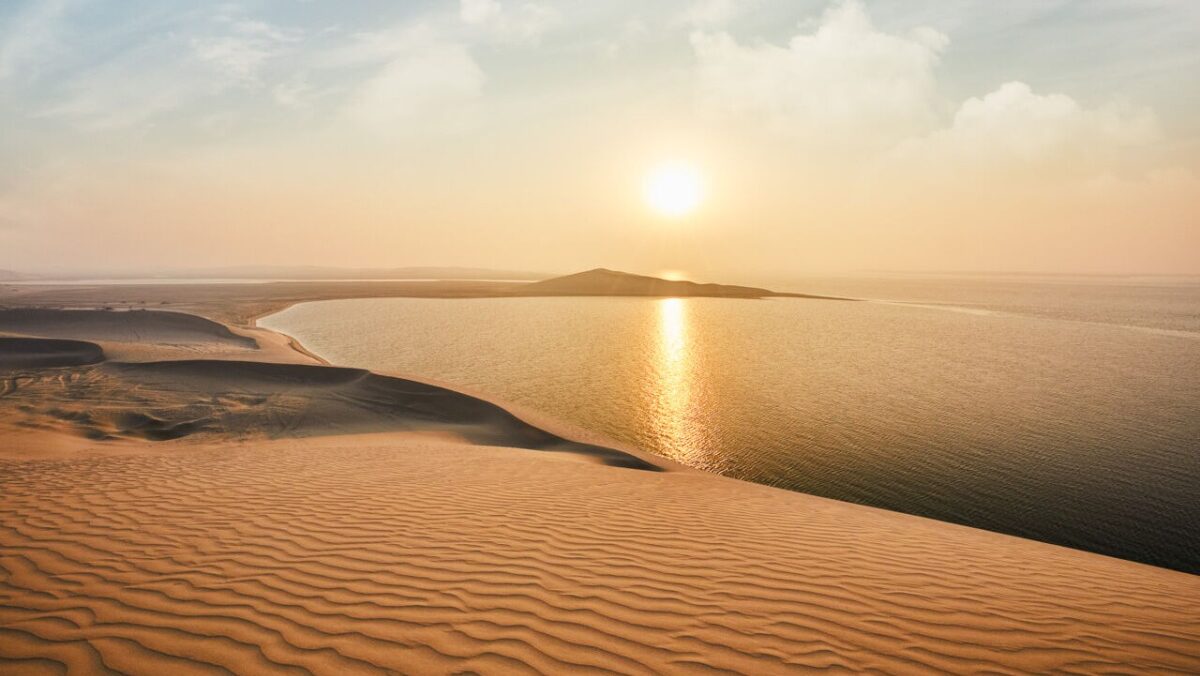
In a powerful move toward a greener future, Qatar has launched a world-class research center focused on sustainable living in dry and desert-like environments. Located just outside the city of Al Khor, the new “Desert Resilience Research Hub” is already being praised as a game-changer for climate research and sustainability.
This international facility is designed to study how people, plants, and wildlife can survive—and even thrive—in some of the harshest conditions on Earth. It’s not just for Qatar. Experts say the research coming from this center could help millions of people around the world who live in similar dry regions.
Leading the Way in Desert Innovation
The center will bring together scientists, engineers, environmentalists, and community leaders from around the globe. Their shared mission? To develop new technologies and ways of living that work with the desert, not against it.
Whether it’s creating better ways to grow food in the sand or building homes that stay cool without using much energy, the hub’s work could have a major impact. Qatar hopes it will become a model for other countries facing the challenges of rising temperatures and limited water.
The location near Al Khor was chosen for a reason. This area provides real desert conditions that are perfect for testing ideas in a natural environment. Here, researchers can see how their theories and technologies work in real life—not just in a lab.
Focus on Water, Energy, and Food
One of the main goals of the Desert Resilience Hub is to find better ways to manage water, energy, and food—all major concerns in desert regions.
Water is extremely limited in arid places, so the center is exploring new methods to recycle and purify it. Researchers will test systems that collect moisture from the air or turn salty seawater into drinkable water. These technologies could help communities become more self-sufficient.
In terms of energy, the hub is focused on solar power. The desert has an abundance of sunlight, and Qatar wants to use that energy to power homes, farms, and cooling systems. By relying more on renewable energy, the country can reduce its carbon footprint and help fight climate change.
Food security is another big part of the research. Scientists will study how to grow crops in poor soil with little water. They’ll test vertical farms, hydroponic systems, and other creative solutions that could turn deserts into productive farmland.
Global Partnerships for a Shared Future
What makes the Desert Resilience Research Hub truly special is its international outlook. Qatar is partnering with leading universities and research institutions from Europe, Asia, the U.S., and other parts of the Middle East. Together, they will share data, skills, and knowledge to solve global problems.
These partnerships mean that breakthroughs made in Qatar could benefit other countries with similar climates, such as parts of Africa, Australia, and the southwestern U.S. The hope is that this global cooperation will speed up progress and lead to solutions that are affordable and easy to apply.
Education is also a big focus. The hub will offer programs for students, young scientists, and local communities. By learning about sustainable desert living, the next generation can be better prepared for a changing world.
Supporting Qatar’s Vision for the Future
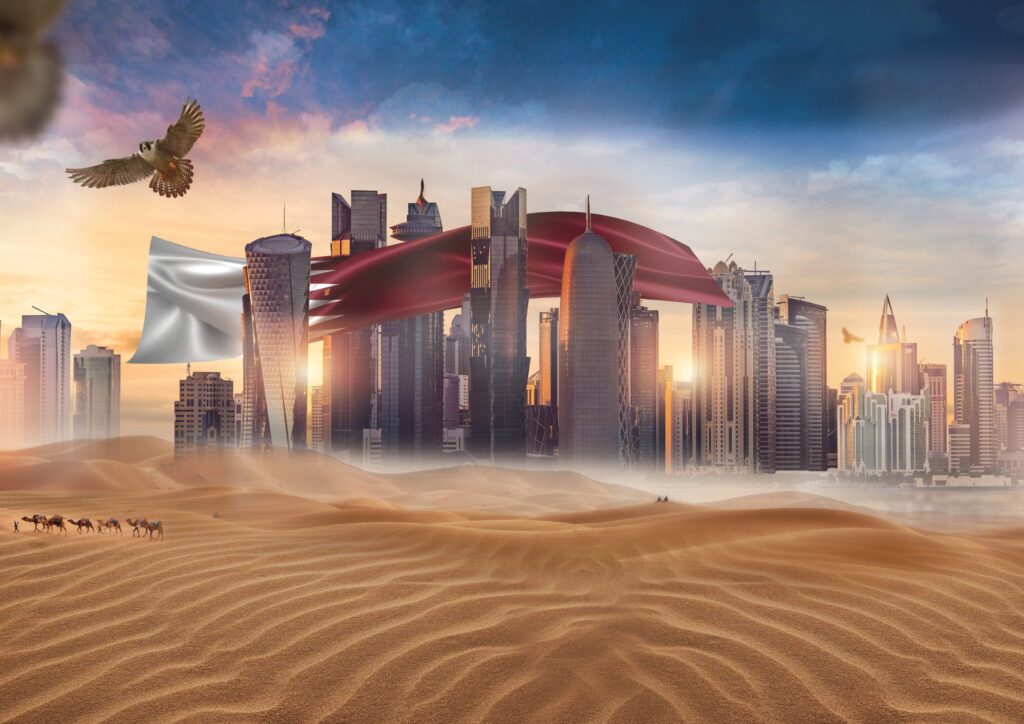
The launch of the Desert Resilience Hub is part of Qatar’s bigger plan to become a leader in environmental protection and sustainable development. As part of its national vision, the country is investing in green technologies, clean energy, and climate research.
Officials say that by studying desert resilience, Qatar is turning a natural challenge into a powerful opportunity. Instead of trying to escape the desert, they are finding ways to live in harmony with it.
The timing of this project is also important. Around the world, many countries are struggling with extreme heat, drought, and food shortages. Climate change is making these problems worse, and Qatar’s new hub could offer hope and answers.
A Place for Innovation and Hope
Beyond the technical work, the Desert Resilience Hub is also a symbol of innovation and hope. It shows that even in the toughest environments, human creativity can find a way forward.
From local farmers to global scientists, everyone involved shares one vision: a more resilient, sustainable future for desert communities. As the hub begins its research, the world will be watching—and learning.
Also read: Tourism in Dubai Surges with a 15% Rise in Early 2025

