

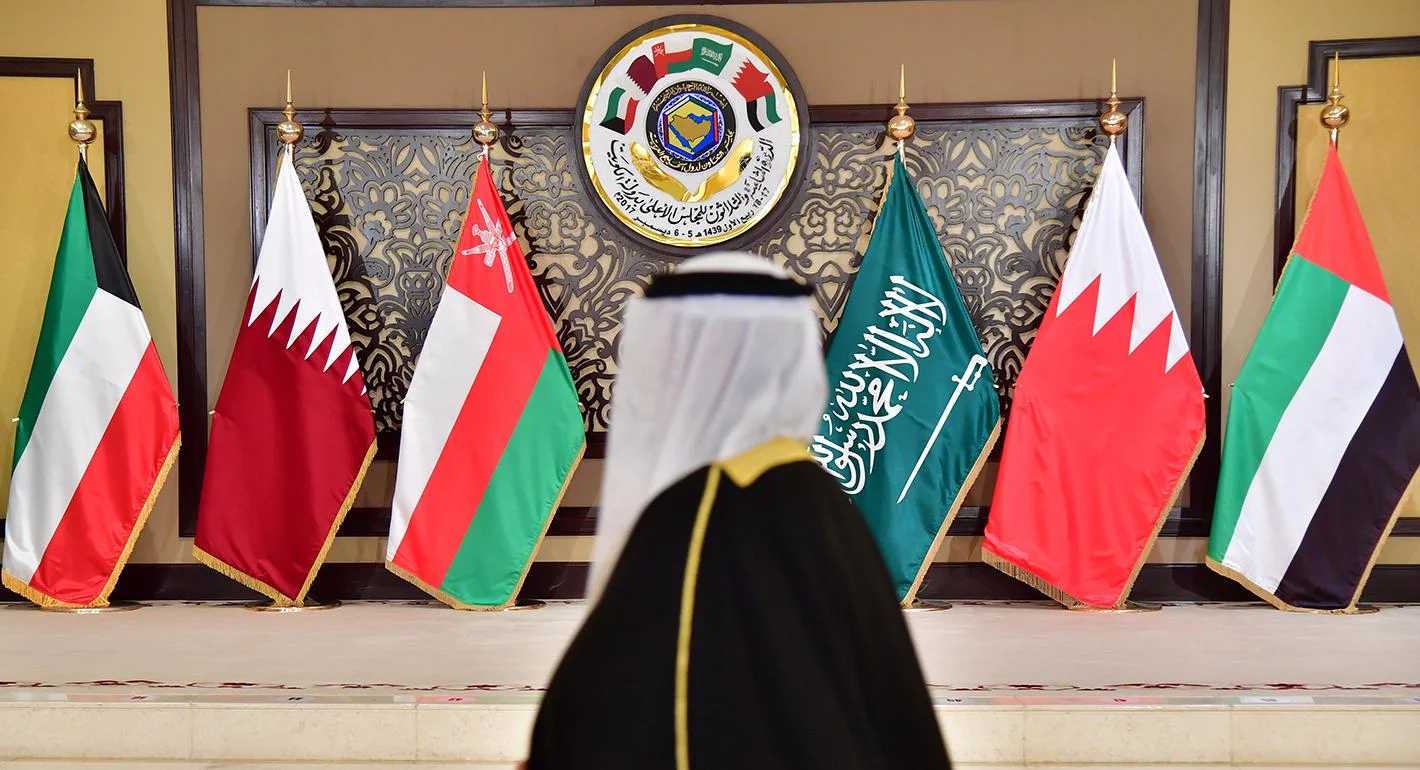
The Gulf region is quickly turning into one of the most attractive places in the world for foreign investors and global investment. Countries like the United Arab Emirates, Saudi Arabia, Qatar, Bahrain, Oman, and Kuwait are all working hard to make their economies more open, more modern, and more inviting for international businesses.
This major shift is not just about oil anymore. Gulf nations are now investing in technology, tourism, finance, logistics, and green energy. As a result, they are seeing billions of dollars flow into their economies from companies and investors across the globe.
So, what’s behind this foreign direct investment (FDI) boom? Let’s break it down.
A Clear Vision for the Future
The key reason foreign investors are looking to the Gulf is the region’s clear and ambitious plans for the future. Take Saudi Arabia’s Vision 2030, for example. This massive transformation plan aims to reduce the country’s dependence on oil, boost tourism, and grow industries like health, entertainment, and manufacturing.
Similarly, the UAE has launched projects such as “We the UAE 2031” and its National Industrial Strategy to attract foreign companies and grow its non-oil economy. These plans are not just empty promises. Governments are actively changing laws, cutting red tape, and offering better incentives to global investors.
Business-Friendly Reforms Attract Attention

One of the most attractive things about Gulf economies today is how much easier it has become to do business there.
The UAE, for instance, now allows 100% foreign ownership of companies in most sectors, which was not possible just a few years ago. Investors used to need a local partner to open a business, but now they can fully own and control their ventures.
Saudi Arabia has made similar changes. It has introduced digital systems to speed up licensing and cut down on bureaucracy. These reforms help foreign companies set up faster and operate more freely.
Oman, Bahrain, and Qatar are also making business smoother with tax incentives, easier licensing, and improved banking systems to support global investors.
Strategic Location and Infrastructure
Another reason foreign investors are heading to the Gulf is its perfect location. Sitting between Europe, Asia, and Africa, the region offers easy access to some of the world’s biggest markets.
Plus, the Gulf’s infrastructure is world-class. The UAE, for example, has modern airports, top-tier seaports, and world-leading logistics services. Saudi Arabia is building futuristic cities like NEOM with smart infrastructure designed for global companies and startups.
Free zones are another major draw. These are special business areas where foreign investors can enjoy tax benefits, full ownership, and easier trade rules. Dubai’s Jebel Ali Free Zone and Abu Dhabi’s KIZAD are famous examples that have already attracted thousands of international companies.
Focus on Non-Oil Sectors Is Winning Trust
Gulf economies are proving that they are more than just oil exporters. In recent years, there has been a huge shift towards developing sectors like tourism, real estate, fintech, healthcare, education, and clean energy.
For example, the UAE’s tourism and hospitality sector has become a magnet for global hotel chains and investors, thanks to world-famous attractions and international events like Expo 2020 Dubai.
Saudi Arabia is investing billions in its Red Sea tourism project and entertainment hubs like Qiddiya. Qatar is capitalizing on the momentum from hosting the FIFA World Cup 2022 to boost its sports, real estate, and cultural investments.
These diversified industries make Gulf countries less risky for foreign investors and more appealing for long-term investment.
Skilled Talent and Innovation Hubs
Attracting investment isn’t only about buildings and policies — it’s also about people. Gulf countries are investing heavily in education, innovation, and training to build a talented workforce.
The UAE has launched several programs to bring in global talent, especially in technology, AI, and science. Saudi Arabia is offering scholarships and opening international universities to train young Saudis to become part of the modern workforce.
Innovation hubs like Dubai Internet City and Abu Dhabi’s Hub71 are helping startups and global tech companies thrive, with the right mix of funding, talent, and support.
Supportive Government Policies
What truly makes the Gulf stand out is how committed the governments are to supporting investors.
FDI departments in countries like Saudi Arabia, the UAE, and Qatar actively reach out to global businesses, offering one-on-one support, streamlined services, and clear roadmaps.
Investment summits and forums are regularly held, inviting investors to learn about the latest opportunities, meet local partners, and understand the benefits of investing in the region.

For example, Saudi Arabia’s Future Investment Initiative (FII) brings together world leaders and CEOs every year to explore mega projects and business prospects in the Kingdom.
Green Growth and Sustainability Goals
Another important trend is the focus on sustainability. As the world moves toward a greener future, Gulf countries are making sure they are part of the solution.
The UAE has committed to reaching net-zero emissions by 2050 and is investing in renewable energy projects like solar farms and hydrogen fuel. Saudi Arabia has similar goals under its Green Initiative and is becoming a leader in clean energy and climate tech.
Foreign investors who care about environmental goals are finding exciting opportunities in these green projects.
Final Thoughts: The Gulf’s Investment Moment Has Arrived
The Gulf region is no longer just a stopover for oil exports or a vacation destination. It’s now a growing center for innovation, business, and global collaboration.
With bold visions, pro-business reforms, modern infrastructure, and a strong focus on the future, Gulf economies are successfully drawing the attention of foreign investors.
Whether it’s tech companies from the US, manufacturers from Asia, or finance giants from Europe, the Gulf offers a place to grow, connect, and lead.
Also read: The Rise of Artificial Intelligence in Gulf Healthcare

