

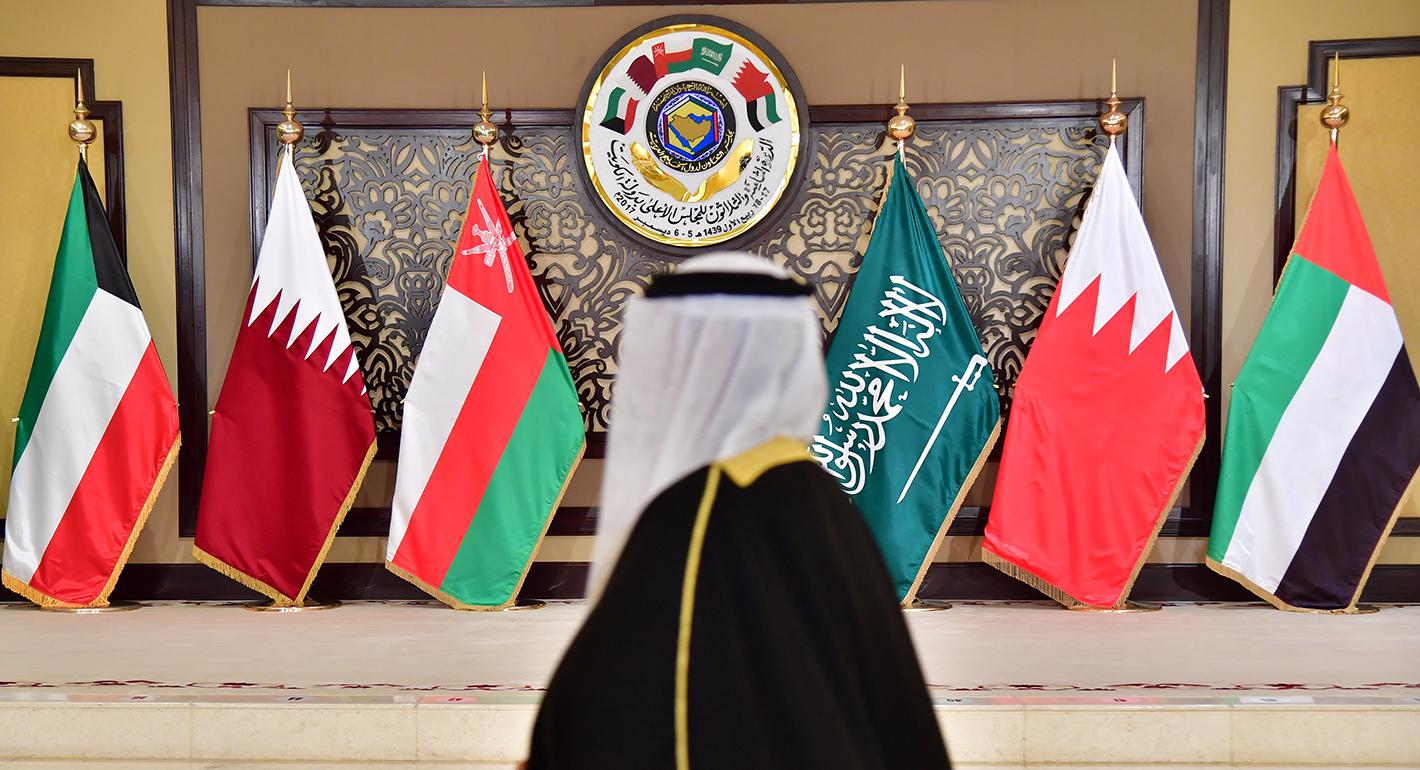
In 2025, The Role of Women in Gulf Political Leadership has become more visible and impactful than ever before. Across the Gulf Cooperation Council (GCC) countries—Saudi Arabia, the UAE, Qatar, Kuwait, Bahrain, and Oman—women are slowly but steadily transforming the political space. While progress is still ongoing, 2025 has marked significant positive developments that highlight a new era of gender inclusion in Gulf politics.
Breaking Traditional Norms: The Slow but Steady Rise
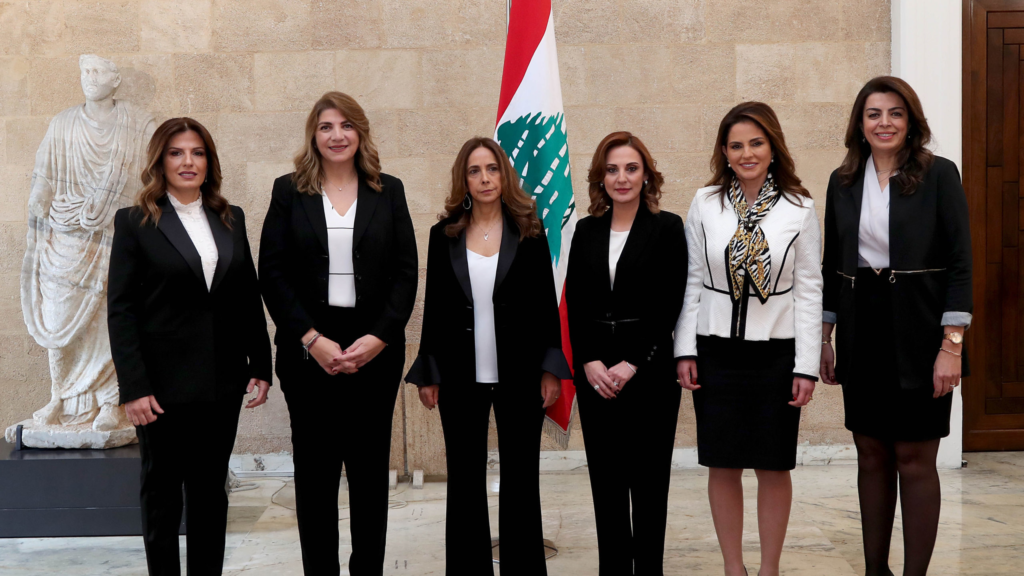
Historical Context of Women in Gulf Politics
Traditionally, women in the Gulf region have been underrepresented in political leadership due to cultural, religious, and social norms. For decades, leadership roles were largely reserved for men, with women primarily involved in social, educational, or healthcare sectors. However, recent decades have shown a slow transformation, especially after major reforms across the GCC.
Legal and Policy Changes Driving Female Participation
Many Gulf nations have introduced legal reforms and policies aimed at improving women’s representation in public life. For instance, the UAE was among the first to introduce a gender balance council and mandate 50% female representation in its Federal National Council in 2019—a step that continues to show results today.
Notable Female Leaders Shaping Gulf Politics
Sarah Al Amiri – A Science Minister with Global Impact
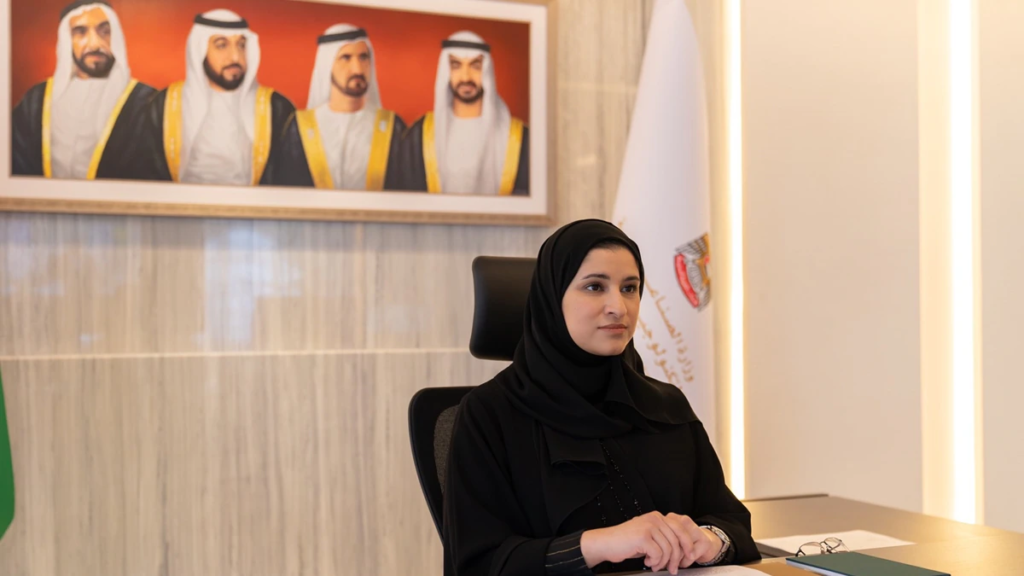
In the UAE, Sarah Al Amiri, the Minister of State for Public Education and Advanced Technology, remains one of the region’s most visible political figures. She played a key role in the UAE’s Mars mission and continues to influence global policy discussions.
Haifa Al Jedea – A Diplomatic Trailblazer from Saudi Arabia
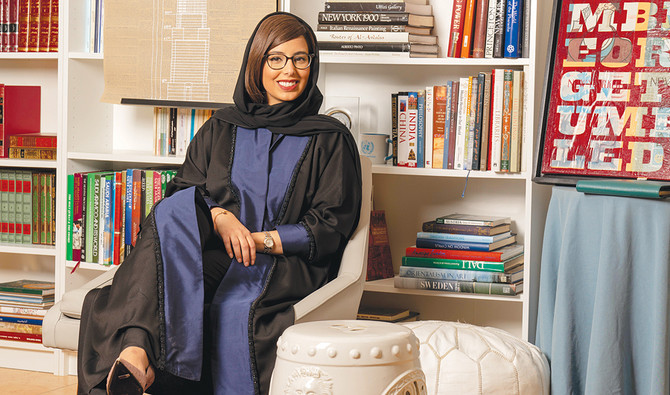
Saudi Arabia’s recent diplomatic missions now include women. Haifa Al Jedea was appointed as the Kingdom’s first female ambassador to the European Union, showing a shift in both domestic and foreign political roles.
Sheikha Mai bint Mohammed Al Khalifa – A Cultural Icon in Bahrain
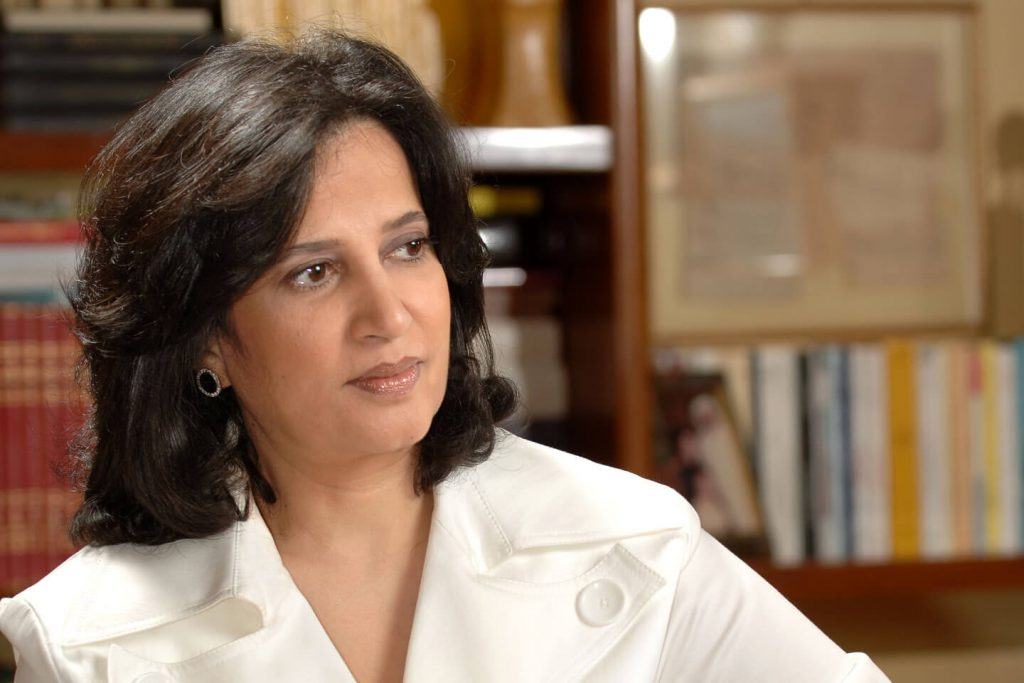
In Bahrain, Sheikha Mai continues to use her leadership in culture and heritage to advocate for broader women’s participation in policymaking. She previously served as Minister of Culture and remains a strong influence.
The Power of Representation: What Has Changed in 2025?
Increased Numbers in Advisory and Parliamentary Roles
In 2025, the number of women in advisory, consultative, and parliamentary bodies in the Gulf has grown. Kuwait now has multiple female MPs actively involved in legislative affairs, while Qatar has appointed women to advisory positions in the Shura Council.
Visibility in International Platforms
Gulf women leaders are now representing their countries in global forums, from the United Nations to the World Economic Forum. Their voices are helping shape discussions on climate change, education, and digital policy.
Rise in Public Support and Social Media Backing
Social media has become a strong tool in boosting public support for women leaders. Youth-driven campaigns and media platforms are increasingly highlighting the achievements of women in Gulf leadership, challenging older stereotypes.
Challenges That Still Exist
Cultural Resistance and Social Expectations
Despite progress, cultural resistance remains a barrier. Many communities still hold conservative views about women’s roles outside the home, especially in leadership positions. This limits the pool of candidates and sometimes deters women from entering politics.
Gender-Based Discrimination in Decision-Making
In some GCC countries, women leaders report facing challenges in being heard or taken seriously in high-level decision-making environments. The glass ceiling may be cracking—but it has not yet been shattered.
Limited Representation in Key Ministries
Women are still underrepresented in powerful ministries such as defense, finance, and foreign affairs. These remain largely male-dominated, and few women have yet been able to penetrate these high-influence sectors.
Future Outlook for Women in Gulf Political Leadership
Policy Recommendations for a More Inclusive Future
Experts suggest that Gulf governments should introduce more structured mentorship programs for young women, expand gender quotas, and ensure accountability in gender equity policies. Transparency and reporting on progress will also help create pressure for faster change.
Regional Cooperation for Gender Empowerment
The GCC as a bloc can play a major role by creating shared goals and frameworks for female leadership. A united front can help challenge social norms more effectively across borders.
The Role of Education and Media in Shaping the Next Generation
Investing in education and media literacy is essential. When young people, especially girls, see role models in politics, it builds aspiration and confidence. Schools and universities should incorporate leadership programs that focus on gender equality.
Conclusion
The Role of Women in Gulf Political Leadership in 2025 reflects both progress and challenges. While the journey is far from over, each woman who enters the political space paves the way for others. Gulf countries are beginning to recognize that inclusion leads to stronger, more representative governance. And with continued support, education, and reforms, the future looks promising for female political leaders in the region.
read more- How Gulf Universities Are Collaborating on Global Research in 2025 | 7 Powerful Ways

