

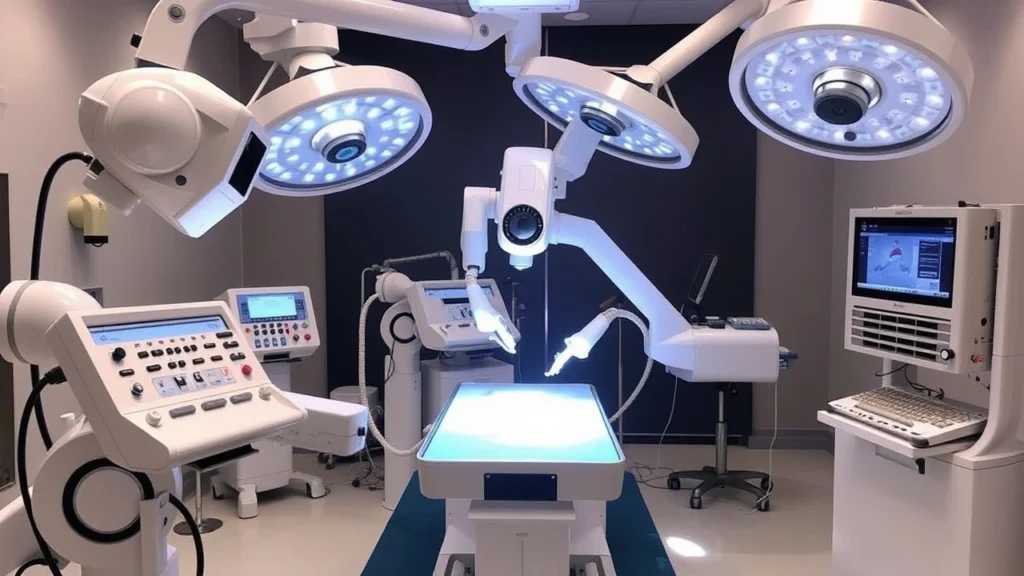
Dubai is quickly becoming a global leader in adopting advanced technology, and the health sector is no exception. Robotics is playing a key role in transforming how healthcare services are delivered across the city. This change is making medical treatments faster, safer, and more efficient for patients and healthcare professionals alike.
In this article, we explore the exciting developments in robotics within Dubai’s health sector, how these technologies are used, and what this means for the future of healthcare in the region.
What is Robotics in Healthcare?
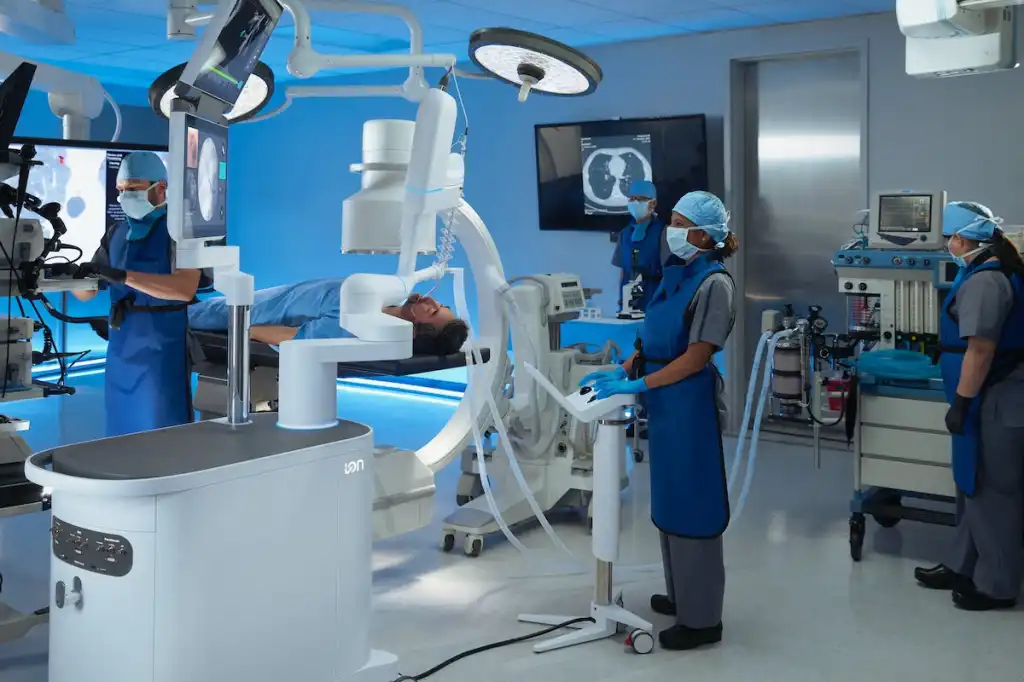
Robotics in healthcare refers to the use of robotic systems and machines to assist in medical treatments, surgeries, diagnostics, and patient care. These robots can perform complex tasks with precision, reduce human errors, and improve overall health service quality.
Dubai’s health sector uses different types of robots such as surgical robots, pharmacy automation robots, and rehabilitation robots. These technologies support doctors, nurses, and pharmacists in delivering better care to patients.
How Robotics is Being Used in Dubai’s Hospitals
Dubai has invested heavily in modern healthcare infrastructure. Several hospitals and clinics have introduced robotic systems to improve patient outcomes.
- Surgical Robots: These robots assist surgeons in performing minimally invasive surgeries. For example, robotic arms controlled by surgeons provide greater precision during operations, reducing recovery time for patients. Dubai’s Rashid Hospital and Mediclinic City Hospital are among the institutions using surgical robots.
- Pharmacy Robots: Robots in pharmacies automate the process of dispensing medicines. They ensure accurate dosage and reduce the risk of human errors. The Dubai Health Authority (DHA) has adopted these robots to improve pharmacy efficiency and patient safety.
- Rehabilitation Robots: These help patients recover from injuries faster by supporting physical therapy exercises. Dubai’s rehabilitation centers are increasingly using robotic devices to aid stroke patients and those with mobility issues.
For more information on Dubai’s healthcare advancements, visit Dubai Health Authority.
Benefits of Robotics in Dubai’s Health Sector
Robotics offers many benefits that directly impact patients and healthcare providers in Dubai.
- Increased Accuracy: Robots perform tasks with high precision, reducing mistakes in surgery and medication dispensing.
- Reduced Waiting Times: Automated processes speed up services such as diagnostics and pharmacy operations.
- Improved Patient Care: Robots assist in monitoring patients and providing personalized treatment plans.
- Enhanced Safety: Robotics reduce the risk of infections and improve hygiene by limiting human contact.
- Cost Efficiency: Over time, robotic systems lower healthcare costs by streamlining operations and reducing errors.
These benefits make Dubai’s health sector more effective and ready to meet the demands of a growing population.
Dubai’s Vision and Support for Robotics in Healthcare
Dubai’s government has a clear vision to become a smart city powered by technology and innovation. The health sector plays a critical role in this vision. The Dubai Future Foundation and Dubai Health Authority are actively supporting research and development in medical robotics.

Through initiatives such as the Dubai 10X, the government encourages healthcare providers to adopt futuristic technologies. This helps position Dubai as a global hub for innovative healthcare solutions.
The city also hosts international conferences and exhibitions focused on robotics and artificial intelligence in healthcare, attracting experts and companies from around the world.
Learn more about Dubai’s future plans at Dubai Future Foundation.
Challenges in Implementing Robotics in Healthcare
While robotics offers many advantages, there are some challenges in its implementation:
- High Costs: Initial investments in robotic systems and training can be expensive.
- Technical Expertise: Healthcare staff need proper training to operate and maintain robotic equipment.
- Integration with Existing Systems: Hospitals must upgrade infrastructure to integrate robotics smoothly.
- Patient Acceptance: Some patients may feel uncomfortable with robotic treatment and prefer human interaction.
Despite these challenges, Dubai’s health sector is steadily overcoming them through strategic planning and collaboration with technology partners.
Future Trends: What to Expect Next in Robotics for Healthcare
The future of robotics in Dubai’s health sector looks promising. Here are some trends to watch:
- AI-Powered Robots: Combining artificial intelligence with robotics to offer smarter diagnostics and personalized treatments.
- Remote Surgery: Surgeons using robots to perform operations remotely, improving access to specialist care.
- Robotic Assistants: Robots that help nurses with routine tasks like monitoring vitals and delivering medication.
- Wearable Robotics: Devices that support patients’ mobility and health monitoring outside hospitals.
Dubai continues to invest in research and partnerships to make these futuristic ideas a reality.
How Robotics Benefits Patients in Dubai
For patients, robotics means better treatment options and faster recovery. Surgeries using robots tend to be less invasive, causing less pain and fewer complications. Pharmacy robots reduce medication errors, which improves safety. Rehabilitation robots motivate patients during therapy and speed up recovery times.
Many patients in Dubai already experience these benefits in public and private hospitals, showing the positive impact of robotics on community health.
Conclusion
Robotics is transforming Dubai’s health sector by improving precision, safety, and efficiency in medical care. With strong government support, growing investments, and continuous innovation, Dubai is leading the way in integrating robotics into healthcare.
As these technologies evolve, patients can expect even better healthcare experiences, and the city’s health services will continue to set global standards.
Also Read – GCC Steps Into Global AI Ethics Leadership With Bold Moves

