


Doha may be known today for its shiny skyscrapers and world-class museums, but hidden behind the modern image is a charming, traditional side waiting to be discovered. That side lives in Old Doha, where walking tours offer visitors a close-up look at Qatar’s deep-rooted culture, history, and way of life.
These tours are becoming more popular with both tourists and residents, giving everyone a chance to slow down, explore on foot, and understand what truly makes the city special.
What Makes Old Doha Special?
Old Doha is the historic heart of the city. It includes places like Souq Waqif, Msheireb, and areas along the old Corniche. These parts of town have been standing for decades—some even for over a century. Unlike the newer areas filled with high-rises and malls, Old Doha offers a quiet charm with its traditional buildings, narrow lanes, and stories passed down through generations.
Walking through these streets feels like stepping into another time. With every corner turned, visitors find something meaningful—a spice seller telling stories, a restored courtyard house, or a quiet mosque still echoing with prayers.
Guided Tours Bring the Stories Alive
What makes these walking tours so powerful is not just the location but also the guides. Most cultural walking tours in Old Doha are led by local historians, cultural experts, or even older residents who grew up in these neighborhoods. Their stories bring history to life.
For example, a guide might explain how Souq Waqif was once a market for Bedouins trading goods, or how homes were designed with wind towers to stay cool in the desert heat long before air conditioning existed.
These tours often highlight details visitors might miss—like the patterns on wooden doors, the history of certain alleyways, or how Qatari coffee rituals are still practiced in certain cafes.
Souq Waqif: More Than Just a Market
One of the most popular stops on any Old Doha walking tour is Souq Waqif, the city’s oldest market. It’s a colorful maze of shops selling spices, textiles, perfumes, antiques, and traditional clothes. But it’s more than just a place to shop—it’s a cultural experience.
Tour guides often stop here to show how trade shaped Qatar’s economy before oil was discovered. Some tours include a visit to a falcon shop, where guests can learn about the national sport of falconry. Others lead into tiny alleyways where artists and craftsmen still work using methods passed down from older generations.
Msheireb: A Modern Twist on History
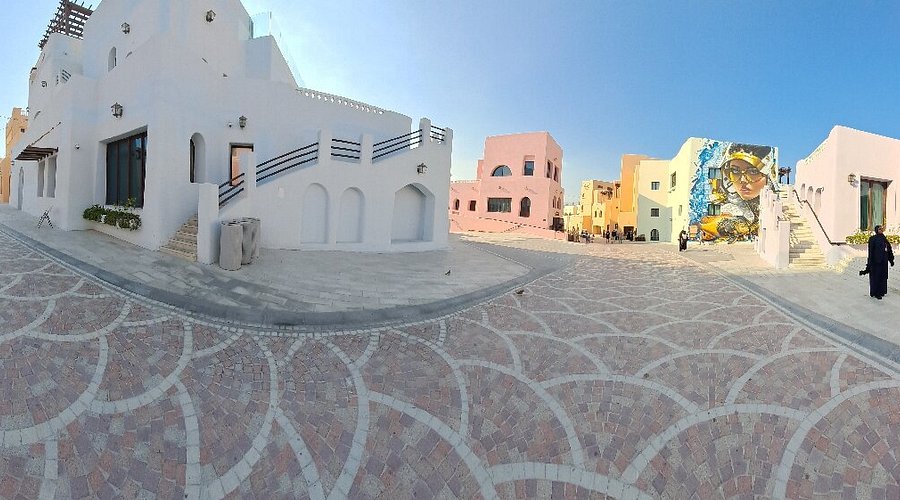
While Msheireb looks more modern, it is actually one of the most impressive examples of how Doha has preserved its cultural roots. Msheireb Downtown is a sustainable development that blends modern buildings with traditional Qatari architecture. Walking tours here often include visits to the Msheireb Museums, housed in restored heritage homes.
Each museum tells a different story—from slavery and human rights to Qatar’s first school and the evolution of the city’s neighborhoods. It’s a powerful reminder that understanding a city’s history includes both the good and the difficult parts.
Cultural Details Make the Experience Rich
What makes these tours truly special are the little details. Guests often learn about:
- Traditional Qatari architecture, like how wind towers and inner courtyards were used to create airflow and shade
- Local customs, such as how Majlis (gathering spaces) work and how hospitality plays a big role in Qatari life
- Everyday heritage, like how pearl diving used to be the main source of income for families, or how Ramadan is celebrated in these neighborhoods
These are the types of things that visitors may never see if they only stay in modern hotels or malls.
Who Joins These Tours?
The great thing about cultural walking tours is that they’re for everyone. Tourists love them because they offer a real feel of the country. But many locals also join to reconnect with their heritage or show friends and family around.
School groups, university students, and expats living in Doha also take part, often saying that the tours change how they see the city. It’s not just about learning facts—it’s about feeling more connected to the place they call home, even if just for a short while.
When and How to Join
Many of these tours are available throughout the year, but the best time to join is during the cooler months between November and March. Most tours last between 90 minutes to 2 hours, and are offered in both English and Arabic.
Booking a tour is easy. Many can be arranged through cultural centers, local tourism offices, or even through hotels. Some are free, while others charge a small fee, especially if they include food tastings or museum visits.
The Rise of Cultural Tourism in Qatar
These tours are part of a bigger movement happening in Qatar. With the country investing heavily in tourism, there’s a growing push to share not just the luxury side of Doha, but also its cultural and historical richness.
The recent FIFA World Cup drew millions of visitors, many of whom took part in walking tours to explore life beyond the stadiums. As a result, more people are now aware of Old Doha’s charm, and interest continues to grow.
More Than Just a Walk
In the end, cultural walking tours in Old Doha offer something you can’t get from a bus ride or a museum visit. They let you feel the city’s heartbeat—its smells, sounds, and stories.
Also read: Discovering Gulf’s Traditional Markets: Souks and Bazaars

