

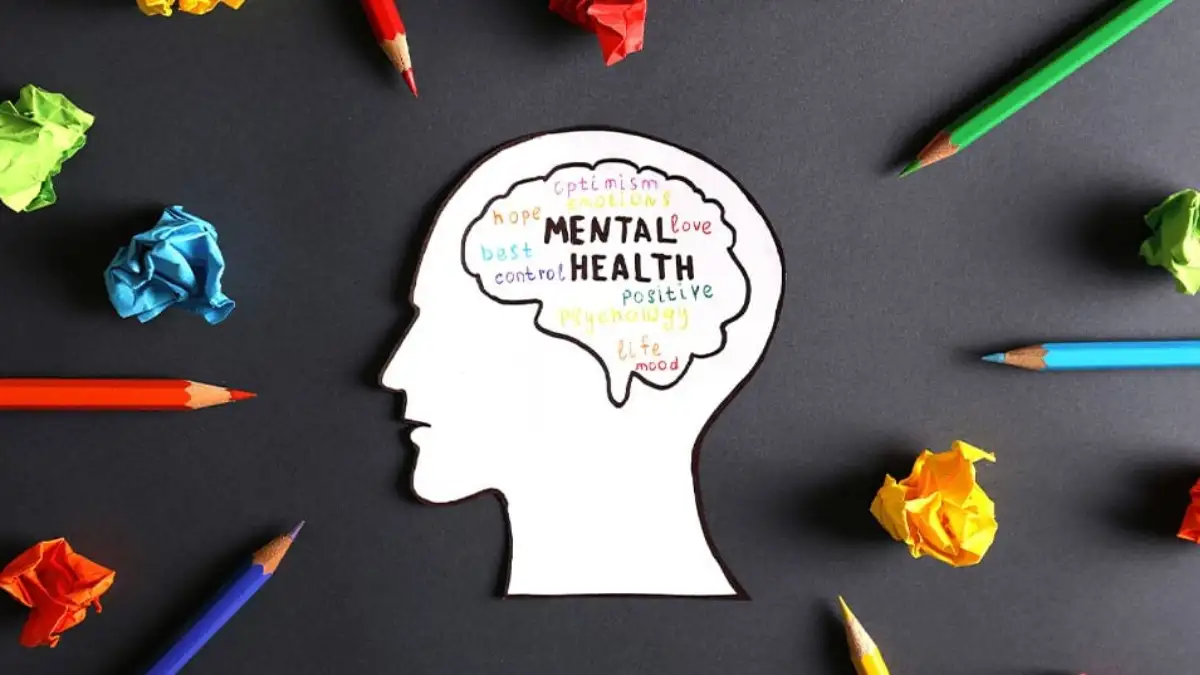
People across the Gulf are realizing that mental health is just as important as physical health. This growing awareness is being supported by government programs, media campaigns, mobile apps, and educational efforts to help citizens feel comfortable talking about emotional well-being.
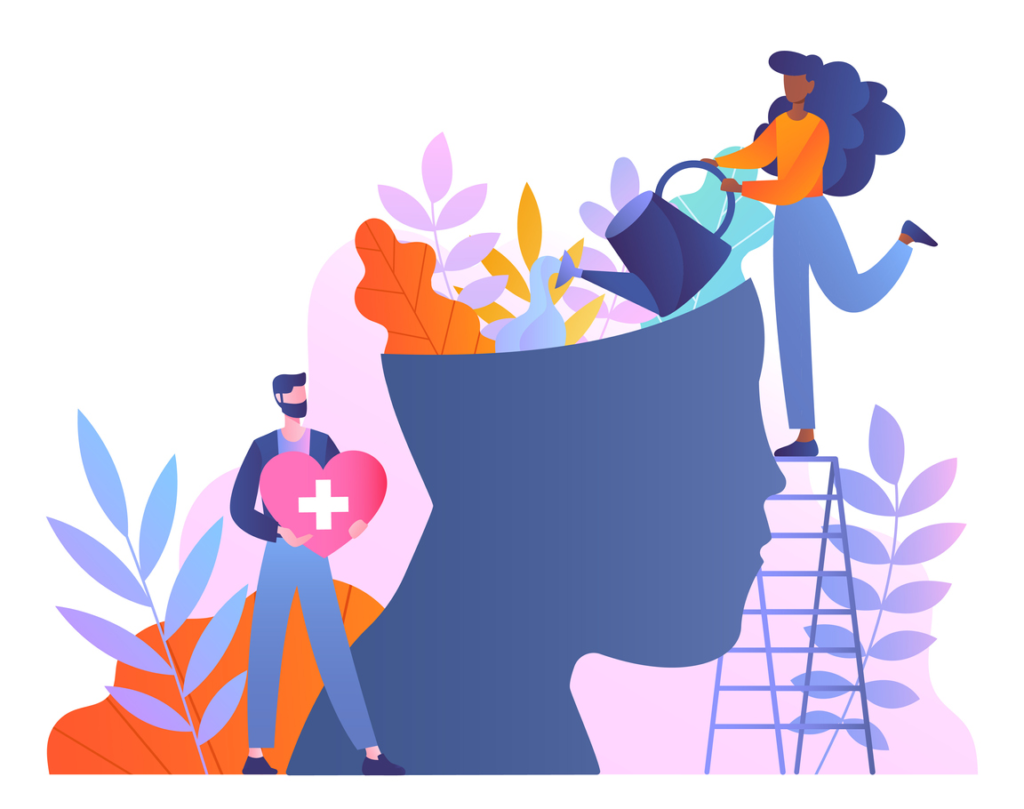
The Gulf Cooperation Council (GCC) countries—United Arab Emirates, Saudi Arabia, Qatar, Kuwait, Bahrain, and Oman—are seeing a major shift in how people view and talk about mental health. For many years, mental illness was a taboo topic, often avoided in public discussions. But now, the situation is changing fast.
Read more about GCC healthcare initiatives
UAE and Saudi Arabia Lead in Mental Health Reforms
Among the Gulf countries, the United Arab Emirates and Saudi Arabia are making the most progress in addressing mental health. The UAE’s Ministry of Health and Prevention has created several initiatives that raise awareness about depression, anxiety, and emotional wellness. Many hospitals now offer mental health services, and there are free hotlines for people to talk to counselors.
Saudi Arabia is also taking strong steps. It is training more psychologists, using artificial intelligence to detect emotional problems early, and offering mental health services in primary healthcare clinics. Saudi Arabia’s National Center for Mental Health Promotion runs regular campaigns and workshops to help people understand mental health better.
Discover the latest mental health innovations in Saudi Arabia
Schools and Workplaces Focus on Mental Health Support
Mental health awareness is also growing in schools and workplaces. More schools and universities in the Gulf are hiring trained counselors. These professionals help students deal with stress, exam pressure, and emotional problems. Some schools also conduct wellness weeks with activities like yoga, meditation, and therapy sessions.
Workplaces are now recognizing how mental health affects performance. Companies in the UAE, Qatar, and Saudi Arabia are offering Employee Assistance Programs (EAPs), which include therapy sessions, well-being workshops, and stress-relief resources. This helps reduce burnout and increase productivity.
Large organizations like Emirates Airlines, Qatar Petroleum, and Aramco are investing in mental wellness programs for their employees.
See how mental health benefits are shaping the Gulf’s workforce
Tackling Stigma and Cultural Barriers
One of the biggest challenges in the Gulf is breaking the stigma around mental illness. For many years, people avoided talking about mental health because it was considered a weakness or a personal failure. In some communities, it was believed that emotional problems should be solved with prayer or kept private.
But things are changing. Religious leaders, doctors, and even social media influencers are encouraging people to talk openly about their mental health. They are sharing personal stories, hosting public talks, and using platforms like Instagram and TikTok to raise awareness.
Many apps and platforms now offer anonymous counseling services in Arabic and English. Apps like Nafsy, Takalam, and MindTalk are helping people get support privately and safely.
Mental Health Among Youth and Women in the Gulf
Mental health issues are more common among youth and women in the Gulf. In the UAE, research shows that 37% of university students experience anxiety, and nearly 30% report depression. Teenagers and young adults often feel pressure from academics, social media, and career choices.
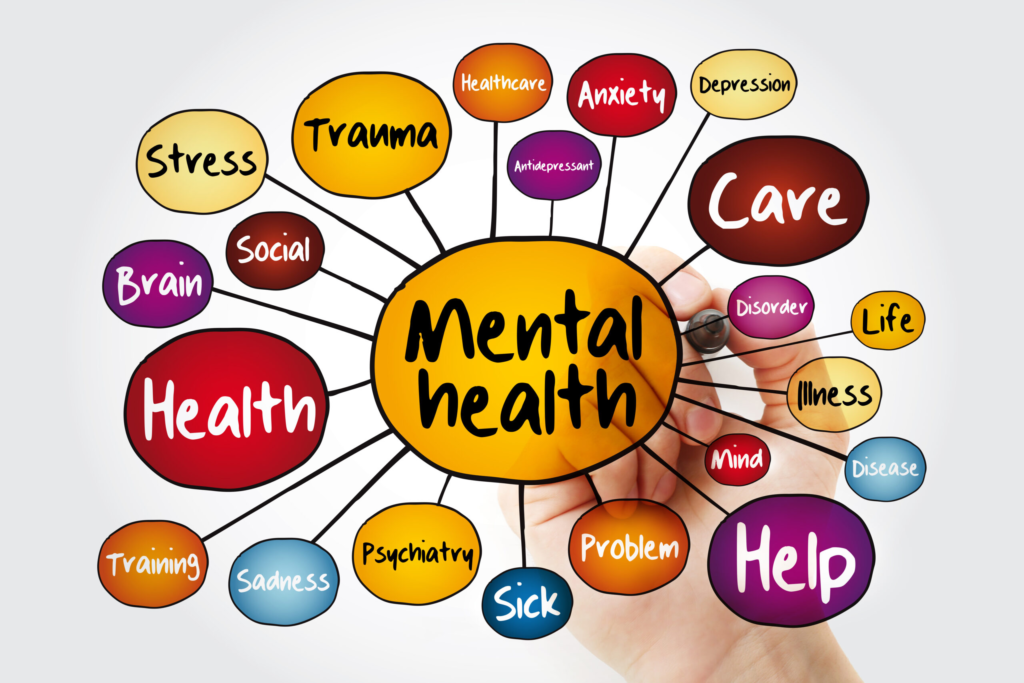
To help young people, there are now mobile apps offering mental health advice, online chat with therapists, and mindfulness training. Schools are also training teachers to recognize early signs of mental distress.
Women face emotional challenges too, especially when balancing traditional roles with modern responsibilities. Programs like She Matters in Bahrain and Qatar’s Women’s Wellness Month are creating safe spaces for women to talk, seek help, and build support networks.
Explore mental health resources for Gulf women
Digital Tools and Telemedicine for Mental Health
Technology is playing a big role in mental health care across the Gulf. Mobile health apps, video consultations, and AI-based mood tracking tools are helping people manage their mental wellness more easily than ever before.
Apps like Sehhaty in Saudi Arabia and Shefaa in the UAE offer telemedicine services for mental health. People can now book online appointments, get medication reminders, track their mood, and speak to licensed professionals without leaving their homes.
During the COVID-19 pandemic, digital tools became a lifeline for many. That trend continues today, making it easier for people to seek help no matter where they live.
Government Plans and Vision 2030 Initiatives
Gulf countries are adding mental health to their national development plans. Saudi Arabia’s Vision 2030 and the UAE Centennial 2071 both include mental wellness as part of long-term goals for a healthier society.
Governments are hiring more mental health professionals, building public hospitals with mental wellness departments, and offering mental health education in schools. Some insurance companies in the Gulf are also starting to cover mental health treatments, which was not the case in the past.
Laws are being updated to protect the rights of people facing mental illness and to make therapy more accessible and affordable.
Read about Vision 2030’s mental health goals
Looking Ahead: Building a Mentally Healthy Gulf
The Gulf is taking big steps to improve mental health for everyone. With support from governments, companies, schools, and health workers, people are starting to understand that taking care of your mind is just as important as taking care of your body.
Still, there is more work to do. Stigma remains in some areas. Mental health professionals are still in short supply, especially in rural regions. More training programs and public awareness campaigns are needed.
But overall, the direction is clear. Mental health awareness in the Gulf is rising fast, and the region is becoming a global example of how to care for the emotional well-being of its people.
For more updates and mental health tips, visit WHO Mental Health Programs
Also Read – How Desert Renewable Energy Is Powering a Greener Future

