

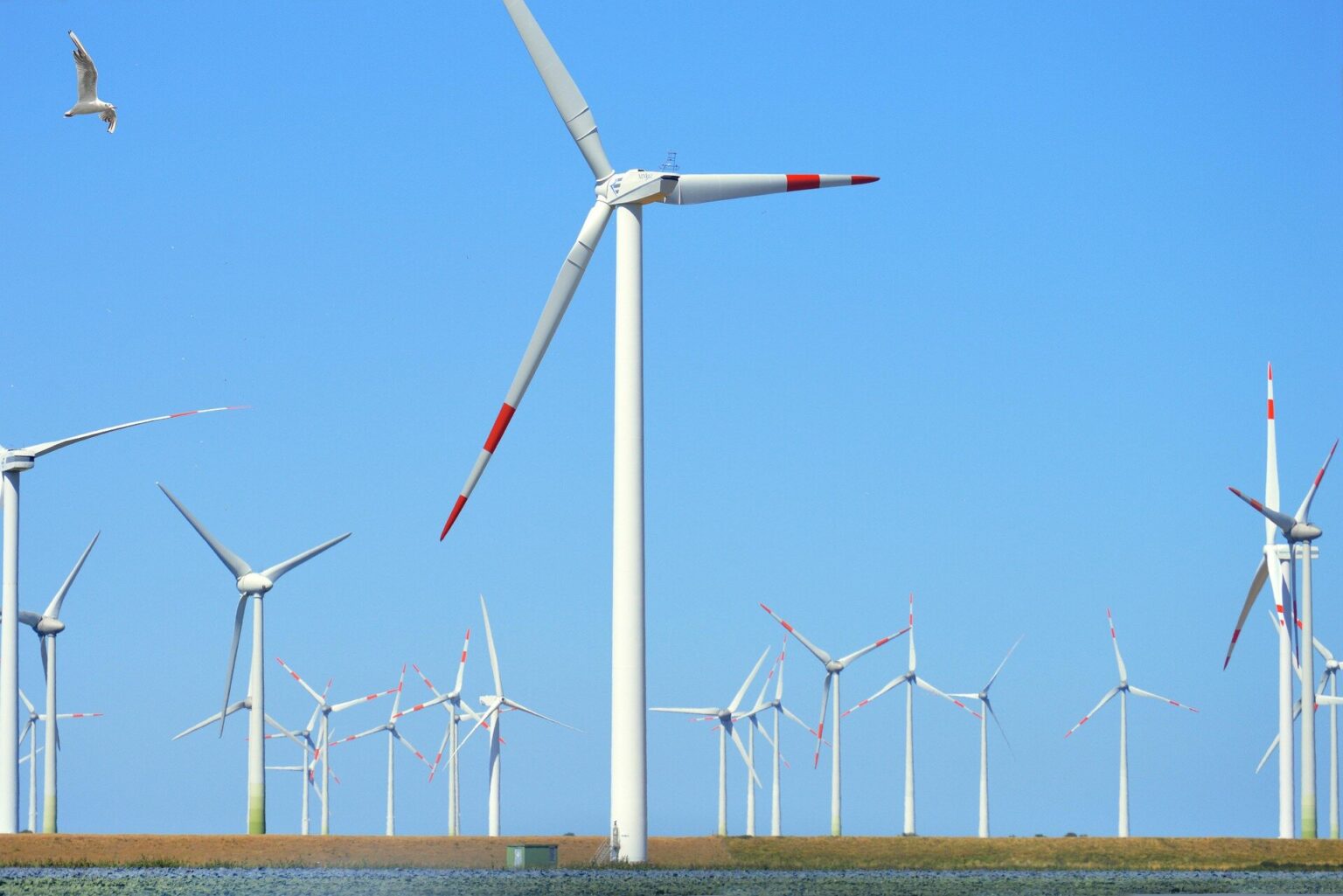
The world is facing a climate crisis, but a powerful solution lies in the hands of the G20 nations. These 20 major economies are responsible for more than 75% of global energy consumption and over 80% of carbon emissions. However, studies now show that the G20 renewable energy potential is so great that it could power the entire planet — if the right steps are taken.
In this article, we explore what needs to happen for G20 countries to harness their full capacity for clean energy and become global leaders in fighting climate change.
G20 Renewable Energy Potential: A Sleeping Giant
The International Renewable Energy Agency (IRENA) and various independent energy analysts have stated that the G20 nations have enough geographical, technological, and financial resources to produce 100% of the world’s renewable energy needs. From vast deserts in Australia and Saudi Arabia to strong wind corridors in the U.S., China, and India, the potential is enormous.

But having potential is one thing. Turning it into reality requires urgent action, cooperation, and major policy reforms. Let’s look at the seven key steps the G20 must take to unlock this potential.
1. Accelerate Investments in Green Infrastructure
To meet global clean energy needs, G20 countries must increase investments in solar farms, wind parks, hydroelectric systems, and energy storage. According to IRENA, global investment in renewable energy must triple by 2030 to reach climate goals. This will not only reduce emissions but also create millions of jobs across energy and manufacturing sectors.
Unfortunately, fossil fuel subsidies are still higher than renewable energy investments in many G20 nations. Shifting funds and incentives from dirty fuels to green projects is essential.
2. Strengthen Cross-Border Energy Cooperation
Renewable energy often requires grid systems that can share electricity across countries. For instance, solar power produced in North Africa could power Europe, and wind energy in Central Asia could support East Asia. The G20 must work toward building interconnected electricity grids and sharing technologies.
This cooperation can lower costs, stabilize energy prices, and help manage power during peak and off-peak hours across regions.
3. Eliminate Fossil Fuel Subsidies
G20 countries still provide more than $450 billion annually in subsidies for fossil fuels. This encourages pollution and slows the adoption of clean energy. Removing these subsidies and redirecting the funds to renewable energy programs can fast-track the transition.
Not only does this support the environment, but it also improves public health and reduces long-term energy costs.
4. Support Innovation and Clean Technology
One of the biggest advantages G20 countries have is their access to advanced research and technology. By investing in next-generation batteries, smart grids, green hydrogen, and carbon capture technologies, they can set a global example.
Public-private partnerships and innovation hubs must be supported by strong government policy and funding. These innovations can make renewable energy cheaper and more efficient over time.
5. Create Strong Policy Frameworks
Many renewable projects are delayed due to weak policy, slow approvals, and lack of clear guidelines. G20 governments must build stable legal environments for renewable energy developers. This includes offering long-term energy plans, carbon pricing, and tax benefits for green initiatives.
When rules are clear and supportive, private investors are more likely to participate in the green transition.
6. Invest in Human Capital and Skill Development
To achieve G20 renewable energy potential, there must be trained workers in engineering, installation, operations, and maintenance. G20 nations must invest in education, reskilling programs, and technical training for renewable energy jobs.
This is especially important for countries transitioning away from coal and oil. Supporting communities in this shift helps avoid job losses and economic shocks.
7. Lead the Global Climate Conversation
The G20 nations hold massive political and economic influence. If they take bold action, the rest of the world will follow. Leading by example at the COP summits, climate forums, and trade agreements is essential.
Nations like Germany, Canada, and Japan have already committed to net-zero emissions by 2050. However, without concrete steps and action plans, these promises remain symbolic. It’s time to act, not just talk.
What Happens If G20 Fails?
If G20 countries do not act now, the global temperature is likely to rise by more than 2.5°C by the end of the century, leading to extreme weather, food shortages, sea-level rise, and social unrest.
Renewable energy is not just an option; it’s a necessity. Without tapping into the G20 renewable energy potential, the rest of the world will struggle to meet climate goals.
The Road Ahead: Global Leadership or Missed Opportunity?

The G20 nations have the resources, technology, and capital to transform the global energy landscape. But the window for action is closing fast.
This is not just about emissions. It’s about economic opportunity, energy security, and a sustainable future for all. The transition to renewables can power the world — but only if the G20 leads the way.
Final Thoughts
The G20 renewable energy potential is massive and promising. But turning potential into progress depends on strong leadership, smart policies, and serious commitment. The next five years are critical.
If the G20 steps up, they can light up the planet — cleanly and sustainably. If they hesitate, the cost will be paid not just in money, but in lives, health, and planetary damage.
It’s time to power the world, not pollute it.
Also Read – YASH Technologies SAP Certification: A Big Leap in Health Tech Innovation

