

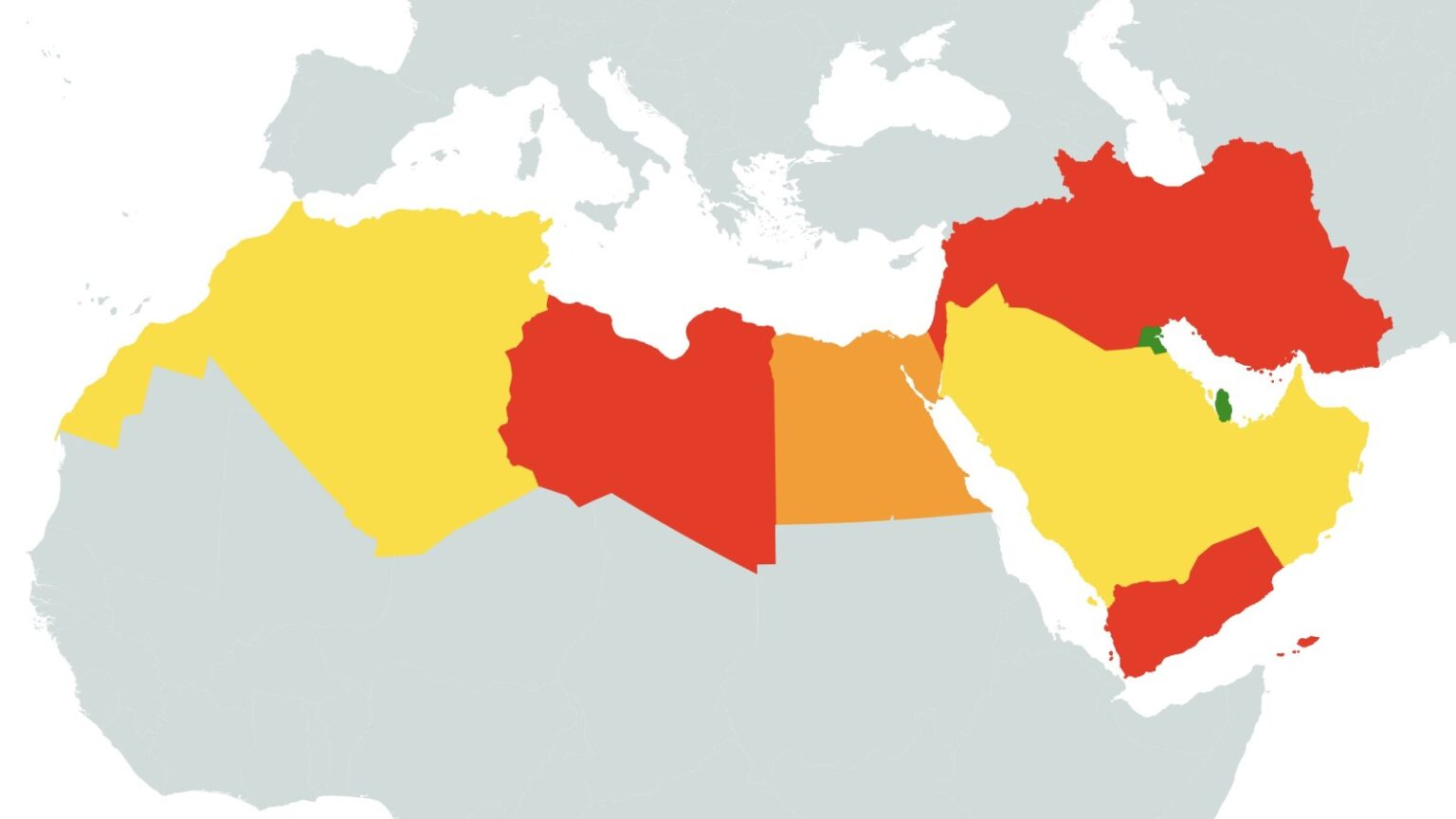
As tensions between Iran and the West continue to escalate, a new map of U.S. Middle East travel warnings reveals growing safety concerns for American travelers in the region. The U.S. Department of State has updated its travel advisories for several countries in the Middle East, urging citizens to either reconsider or avoid travel due to the increasing threat of military conflict and terrorist activity.
In light of rising fears over a possible war with Iran, this map is a stark reminder of how fragile the geopolitical situation in the region has become. It shows which areas are most dangerous for U.S. citizens, where the risks are moderate, and where it is still considered relatively safe to travel.
What the Map of U.S. Middle East Travel Warnings Reveals
The map categorizes Middle Eastern countries based on their threat level using a color-coded system. Red zones indicate “Do Not Travel” advisories, while orange shows “Reconsider Travel.” Yellow means “Exercise Increased Caution,” and blue reflects a relatively safer environment with “Exercise Normal Precautions.”
Here are key highlights from the latest U.S. Middle East travel warnings:
- Iran: Listed in red – “Do Not Travel” due to kidnapping, wrongful detention, and military conflict.
- Iraq and Syria: Also red – significant risks due to terrorism, armed conflict, and civil unrest.
- Lebanon and Yemen: In the orange zone – travelers are advised to reconsider due to unpredictable violence and militant presence.
- Israel and the West Bank: Elevated warnings amid the ongoing Israel-Gaza tensions.
- United Arab Emirates (UAE) and Qatar: Considered relatively safer but flagged for regional instability.
These updates are based on intelligence reports, on-ground assessments, and global diplomatic feedback.
Why the U.S. Is Issuing These Travel Warnings

The growing military presence in the Persian Gulf and increasing tensions between the U.S. and Iran are key reasons behind these advisories. Officials warn that Americans in the region could become targets in the event of retaliation, hostage-taking, or civil unrest.
Recent drone and missile strikes in Syria and Iraq, the presence of U.S. naval ships in the Gulf, and Iran’s nuclear developments have all contributed to a worsening security situation.
The U.S. Middle East travel warnings serve as a tool to protect American citizens abroad and help them make informed decisions about where they can safely travel.
U.S. Government’s Message to Travelers
The State Department has urged U.S. citizens to:
- Enroll in the Smart Traveler Enrollment Program (STEP).
- Keep close contact with the nearest U.S. embassy.
- Avoid non-essential travel to high-risk zones.
- Stay alert in public places, especially near military or government buildings.
- Prepare for unexpected disruptions in transportation, communication, and emergency services.
The U.S. Middle East travel warnings emphasize that even countries not directly involved in the Iran situation may experience spillover effects, including protests or attacks targeting Westerners.
Which Countries Are Seeing the Highest Risk?
Let’s break down the countries currently facing the strongest warnings:
1. Iran
Travel to Iran is strongly discouraged. American citizens risk being detained without cause and used as political leverage. The U.S. embassy in Tehran has been closed since 1979, leaving travelers with minimal consular support.
2. Iraq
U.S. troops and diplomats have been targeted by militias. Roadside bombs, drone strikes, and kidnappings remain common in many regions.
3. Syria
Civil war, terrorism, and airstrikes make Syria one of the most dangerous places for any foreign national, particularly Americans.
4. Yemen
The ongoing civil conflict between the Houthi rebels and the Saudi-led coalition makes travel extremely dangerous. Medical facilities and infrastructure are also severely compromised.
Moderate-Risk Zones
Countries like Lebanon, Jordan, and Egypt have seen rising unrest or threats but are still accessible with caution. Tourists are advised to avoid border areas and stay informed via local media and embassy alerts.
In Israel, though tourism is ongoing, the conflict with Gaza has increased unpredictability, particularly in areas near the border.
Relatively Safe but Still Cautious
The UAE, Qatar, Bahrain, and Oman are generally considered safer destinations but are not immune to regional spillovers. These countries have diplomatic ties to both the U.S. and Iran, making them possible flashpoints in case of conflict escalation.
Impact on International Travel and Tourist
These growing U.S. Middle East travel warnings are expected to negatively impact tourism in the region. Airlines are adjusting flight paths, tour operators are canceling packages, and hotel bookings are being paused across conflict-prone areas.
American travelers are increasingly looking to alternate destinations in Europe and Southeast Asia, where the perceived threat is much lower.
What Experts Are Saying
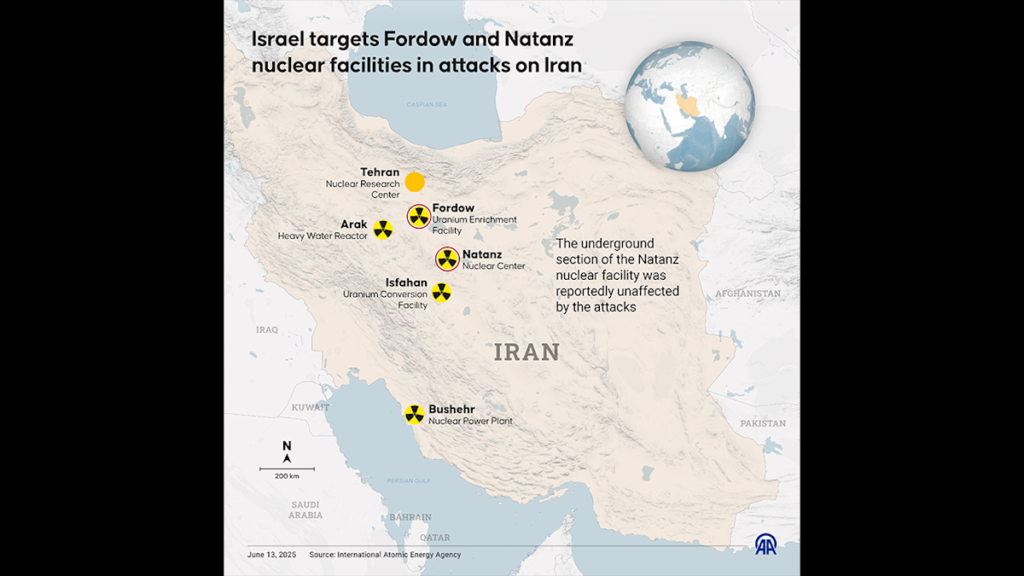
Security analysts believe that the next few weeks are crucial. Any military action—whether intentional or accidental—could trigger a chain reaction.
John Miller, a global security expert, commented, “The region is like a powder keg. All it takes is one spark. These travel warnings are not meant to scare people, but to save lives.”
How to Stay Updated
The U.S. State Department and embassies offer live updates on travel advisories. It is recommended to:
- Follow official Twitter handles of U.S. embassies in the Middle East.
- Check the travel.state.gov website regularly.
- Download travel safety apps like Smart Traveler or Rebtel for emergency updates.
Final Thoughts
The U.S. Middle East travel warnings are a critical resource for anyone planning to visit or currently residing in the region. As the threat of a potential war with Iran grows more serious, the U.S. government is taking every measure to ensure the safety of its citizens.
Understanding the current risk levels, avoiding conflict zones, and staying connected to official sources can help travelers avoid dangerous situations. While not every part of the Middle East is in crisis, the fluid nature of international politics means travelers must remain vigilant.
Also Read – Saudi Travel Platform almatar Reports 30% Surge in Vital Risk Services