

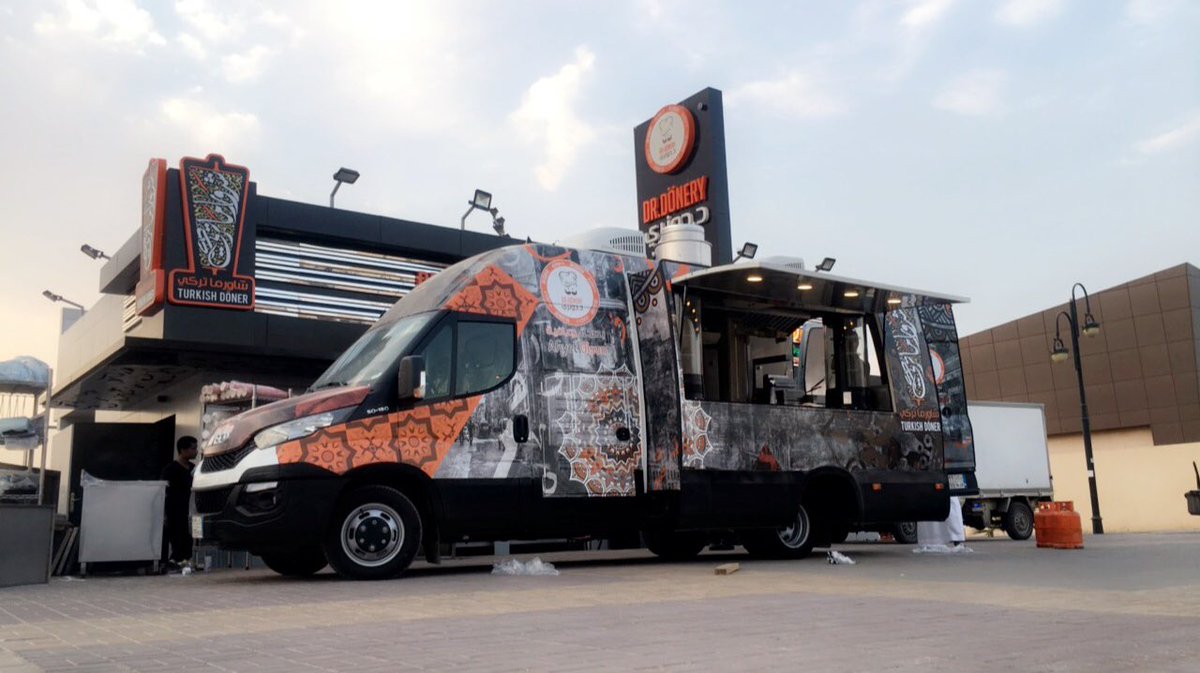
The rise of gourmet food trucks in Saudi Arabia is more than just a passing trend—it’s a major lifestyle shift. These mobile kitchens are now a central part of urban life across major cities like Riyadh, Jeddah, and Dammam. Young entrepreneurs, chefs, and food lovers are driving this growing movement. It’s transforming how people eat, work, and connect with culture.
Street food in Saudi Arabia once meant simple snacks or traditional fare. Today, it includes gourmet burgers, sushi, plant-based dishes, and luxury desserts—all served on wheels. The boom in gourmet food trucks is not only creating exciting food experiences but also new jobs and economic opportunities.
Let’s explore how this fast-growing trend is changing the face of Saudi Arabia.
1. A Fresh Platform for Saudi Entrepreneurs
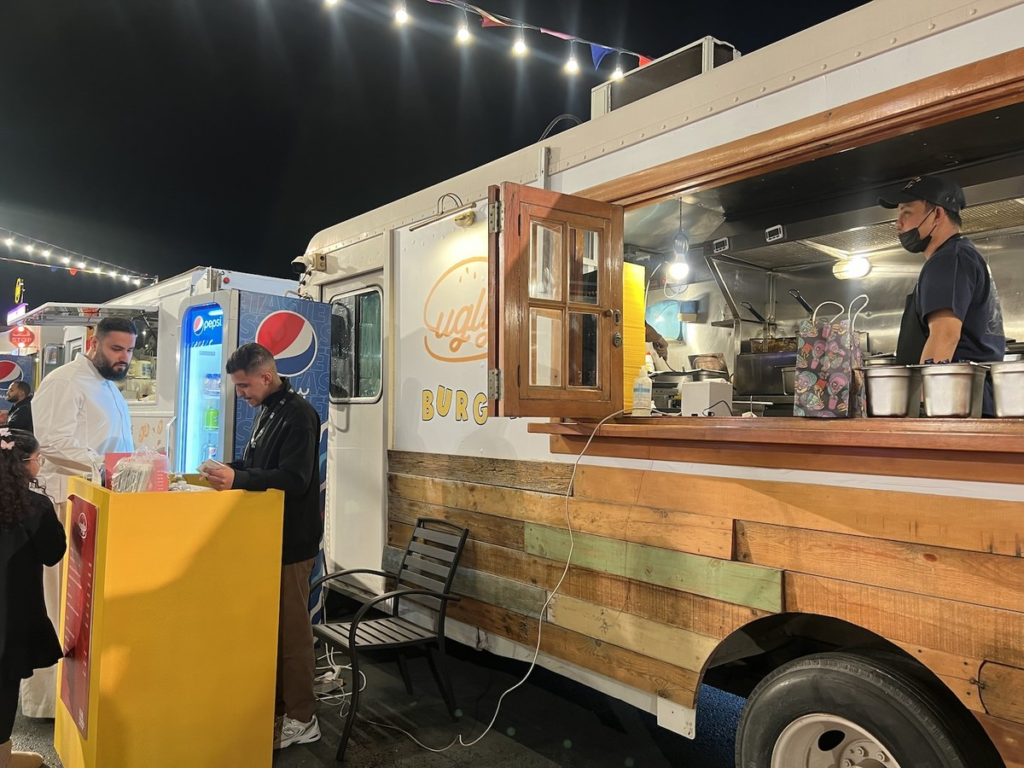
One of the biggest benefits of the rise of gourmet food trucks in Saudi Arabia is that it gives local entrepreneurs a fresh chance to shine. Starting a restaurant can be expensive and risky. But food trucks allow young chefs and business owners to test their ideas with lower investment and risk.
Many Saudi youth are using food trucks as a first step into the food and beverage industry. They can build their brand, get real customer feedback, and create a loyal customer base without spending millions on a restaurant space.
2. Gourmet Food is Now Affordable and Accessible
In the past, gourmet food meant dining in high-end hotels or luxury restaurants. Now, people across the country are enjoying five-star quality meals at affordable prices, served quickly and conveniently.
Whether it’s truffle-loaded burgers, handcrafted pasta, or Korean BBQ tacos, gourmet food trucks are raising the quality of street food. This accessibility is drawing crowds of families, students, professionals, and even tourists looking for unique flavors without the high cost.
3. Boost to the Local Economy and Employment
With more food trucks on the roads, more jobs are being created. The rise of gourmet food trucks in Saudi Arabia has increased demand for chefs, servers, social media managers, and logistics support. Even local farms and suppliers benefit, as trucks often prefer fresh, local ingredients.
According to local reports, the food truck sector is contributing to small and medium enterprise growth, helping Saudi Arabia’s Vision 2030 economic goals.
4. Culinary Diversity and Innovation on Wheels
Saudi Arabia is known for its rich food culture, but the food truck wave is adding more diversity than ever before. From Japanese ramen to French crepes and Mexican burritos, gourmet food trucks are introducing new cuisines to Saudi streets.
These trucks are also leading innovation. Many are offering healthy choices, keto meals, gluten-free options, and fusion food that combines traditional Saudi dishes with modern flavors.
The result is a vibrant street food culture where every bite feels like a global experience.
5. Social Spaces and Events Are Getting Tastier
The rise of gourmet food trucks in Saudi Arabia is also shaping how people socialize. Instead of sitting in crowded malls or restaurants, people now gather at food truck parks and pop-up events.
Cities like Riyadh and Jeddah now host regular food truck festivals where multiple trucks serve in one space, with live music, family zones, and art displays. These events are turning into major attractions, especially during the cooler months.
It’s not just about food—it’s about community, connection, and enjoying a lifestyle that blends modernity with local culture.
6. Tech-Savvy Food Experience for the Digital Generation
Most gourmet food trucks are run by young Saudis who understand the power of social media and technology. They promote daily menus, discounts, and live locations through Instagram, Snapchat, and TikTok.
Some even allow online ordering and contactless payments. For tech-savvy customers, this digital-first approach adds convenience and appeal. It also builds brand loyalty, with customers following their favorite trucks from one spot to another.
This digital touch has helped fuel the rapid rise of gourmet food trucks in Saudi Arabia among the younger generation.
7. Government Support is Fueling Growth
The Saudi government has recognized the importance of supporting small businesses and the food industry. Licensing regulations for food trucks have become more streamlined in recent years. The Saudi Food and Drug Authority (SFDA) and local municipalities now offer online portals for faster approvals.
Vision 2030 encourages innovation, entrepreneurship, and cultural events—all of which benefit from mobile food businesses. With more incentives and clearer rules, more food trucks are hitting the roads legally and safely.
This support ensures the trend is not just a temporary one but a lasting part of Saudi Arabia’s economic and cultural transformation.
Challenges That Still Need Attention
While the rise of gourmet food trucks in Saudi Arabia is a positive story overall, there are still challenges. Access to parking spaces, high fuel costs, weather limitations during extreme summers, and maintaining hygiene standards are some of the hurdles food truck owners face.
In some regions, the competition is also rising quickly, making it difficult for new trucks to survive without strong branding and marketing strategies. More structured support systems and truck-friendly zones will help maintain balance in the industry.
Final Thoughts
The rise of gourmet food trucks in Saudi Arabia is more than just a food trend—it’s a sign of how the Kingdom is evolving. It’s about creativity, passion, and young people taking control of their futures. With support from the public and private sectors, and a growing appetite for diverse food, the street-side gourmet scene will only grow stronger.
As food trucks become a staple in Saudi culture, they are shaping a future where high-quality food, flexible business models, and local pride meet on the streets of Riyadh, Jeddah, and beyond.
Also Read – 7 Surprising Ways Traditional Saudi Arabia Food Shows Culture

