


The shift toward project-based education in Saudi Arabia is creating a strong movement across the country’s schools and universities. This new method focuses more on student participation, teamwork, and real-world problem-solving rather than memorization and one-time exams. In recent years, the Saudi education system has started transforming to meet the demands of a modern workforce and society.
Saudi Arabia is investing heavily in education reforms under its Vision 2030 program. A key part of this transformation is making learning more active, practical, and aligned with 21st-century skills. Project-based learning (PBL) is now becoming the center of attention in classrooms across the Kingdom.
What Is Project-Based Education?
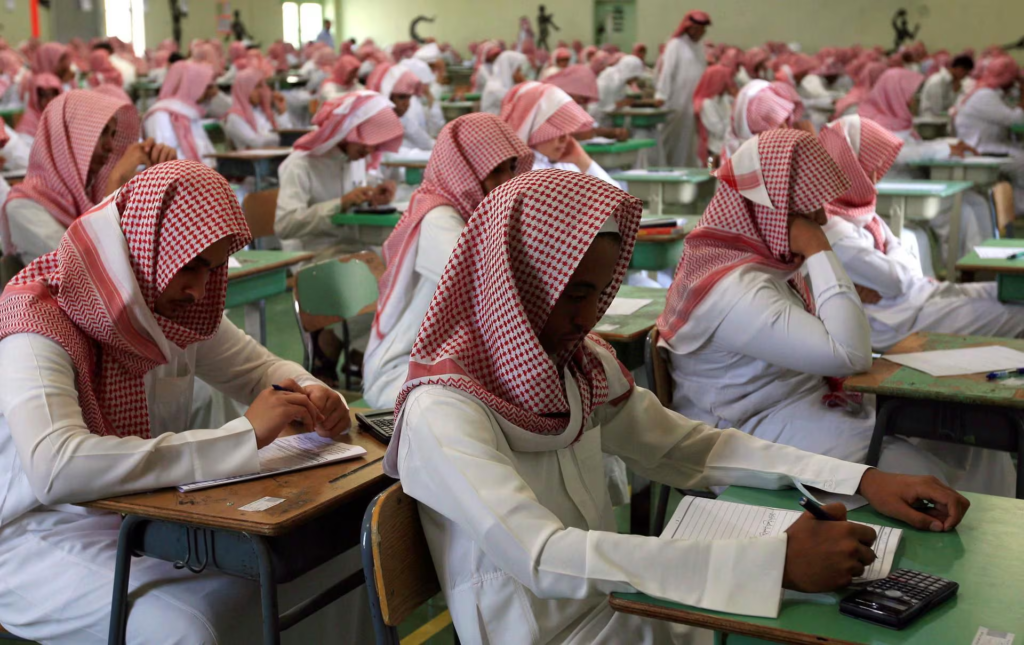
Project-based education is a teaching method where students learn by working on real-life projects. Instead of listening to long lectures or memorizing textbooks, students work in groups to solve problems or create something meaningful. These projects often cover multiple subjects, encourage creativity, and help learners develop soft skills like communication, time management, and leadership.
The shift toward project-based education in Saudi Arabia is not just a trend—it is a structured approach backed by educational policy, teacher training, and digital tools. The goal is to prepare young people for a world where innovation and collaboration are highly valued.
Why Is This Shift Happening?
There are several reasons for the growing interest in project-based education in Saudi Arabia:
- Preparing for Future Jobs:
The traditional model of rote learning no longer meets the needs of today’s job market. The Kingdom wants its students to develop practical, analytical, and creative thinking skills. - Improving Student Engagement:
Many students lose interest in school due to a lack of interaction and real-world relevance. Project-based learning helps them stay motivated by showing how lessons apply to everyday life. - Supporting Vision 2030:
The Saudi Vision 2030 initiative emphasizes education reform as a major goal. The shift toward project-based education in Saudi Arabia supports this by modernizing how students learn. - Global Standards and Competitiveness:
Saudi Arabia wants its students to compete at the global level. Project-based learning is used in countries like Finland, Singapore, and the U.S.—and Saudi Arabia is now catching up.
How Schools Are Implementing Project-Based Learning
The change has already begun in many public and private schools. Teachers are being trained to design lesson plans that include student-led projects. Schools are investing in labs, digital platforms, and collaborative workspaces to support this model.
In Riyadh and Jeddah, some schools have introduced project weeks where students work full-time on projects instead of following their usual schedule. Topics range from building sustainable homes to coding mobile apps, all aimed at blending theory with practice.
Moreover, the Ministry of Education is encouraging the use of project-based assessments instead of final exams in some subjects. This allows teachers to evaluate how well students apply what they’ve learned.
Impact on Students
The shift toward project-based education in Saudi Arabia is already showing a positive impact on learners. Many students say they feel more confident, creative, and capable of expressing ideas. Working on projects improves teamwork and problem-solving—skills that are hard to develop through textbooks alone.
Additionally, students are now more independent. With guidance from teachers, they take responsibility for their learning, make decisions, and manage time—just like in real workplaces.
Challenges in the Shift
Despite the benefits, there are challenges to implementing this shift:
- Teacher Readiness: Not all teachers are trained to deliver project-based learning. Professional development is essential.
- Assessment Methods: Evaluating student performance in projects is complex and time-consuming.
- Resources: Some schools lack the infrastructure or materials needed to support hands-on learning.
- Parental Awareness: Some parents are still used to traditional education and may not understand the value of project-based learning.
However, the government and school leaders are actively working to address these issues through training programs, awareness campaigns, and new teaching standards.
Role of Technology

Technology plays a major role in the shift toward project-based education in Saudi Arabia. Many projects are supported by digital tools like Google Classroom, Zoom, and Microsoft Teams. Students can research online, collaborate on shared documents, and present their work using videos or interactive platforms.
Tech-based learning helps bridge the gap between classroom content and real-world applications. It also makes learning more accessible, especially in remote or rural areas.
The Future of Project-Based Learning in Saudi Arabia
Looking ahead, the Kingdom aims to make project-based learning a permanent part of the curriculum. Universities are also joining the movement by encouraging project work and internships in various disciplines.
The Ministry of Education is likely to introduce national guidelines to standardize project-based learning across all grades. This will ensure that every student, regardless of location or school type, gets the same opportunity to benefit from this approach.
By continuing the shift toward project-based education in Saudi Arabia, the country is taking bold steps to ensure its youth are prepared for future challenges—academically, socially, and professionally.
Final Thoughts
The shift toward project-based education in Saudi Arabia marks a powerful and positive evolution in the country’s academic system. By focusing on collaboration, critical thinking, and creativity, the Kingdom is moving away from outdated teaching methods and embracing a more dynamic, student-centered approach.
This change is not just a policy—it’s a movement that could redefine what education means for generations to come in Saudi Arabia.
Also Read – 7 Powerful Future-Ready Education Skills Taught in Saudi Arabia

