

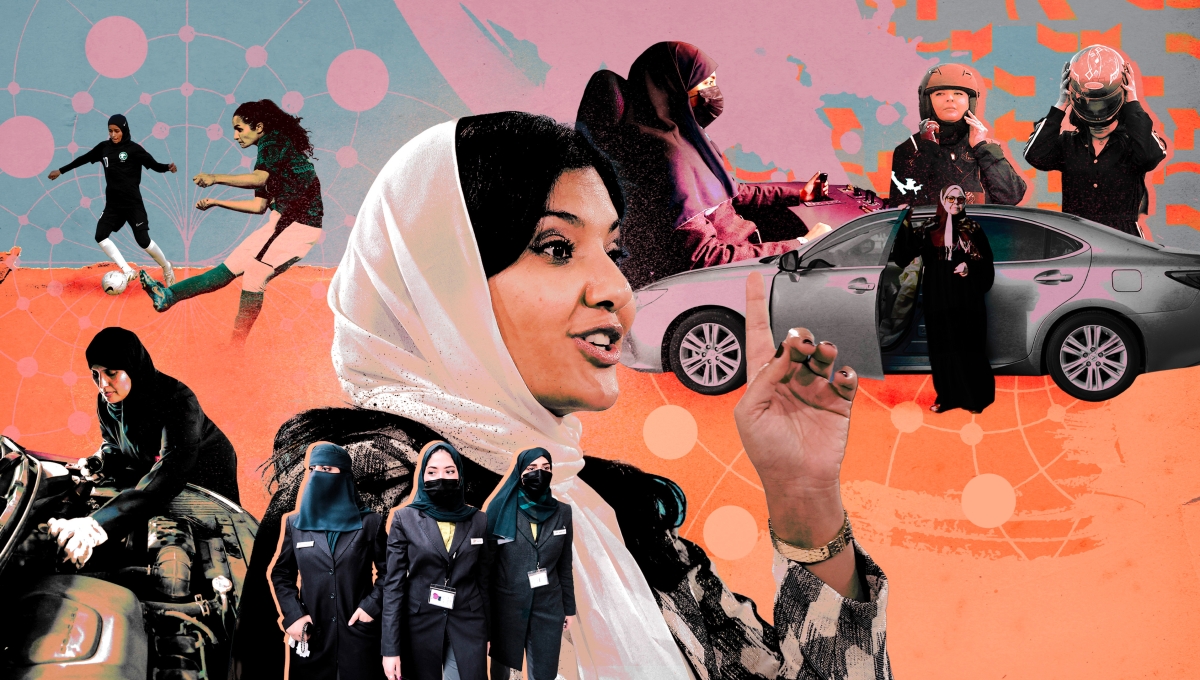
Saudi Arabia’s education for women has seen a major transformation in the past few decades. What was once a highly restricted system has evolved into one of the fastest-changing sectors in the Kingdom. From limited access to schools in the 1960s to a future filled with international scholarships, advanced degrees, and leadership roles, Saudi women are now on a powerful journey of growth.
The government has made female education a national priority, with support from Vision 2030, which aims to boost economic and social progress. With increasing investment, policy reforms, and a shift in cultural attitudes, Saudi Arabia’s education for women is making historic progress and setting bold goals for the years ahead.
Let’s take a closer look at this journey—past, present, and future—and understand what’s truly changing for Saudi women in the education sector.
The Early Struggles of Female Education in Saudi Arabia
In the early 20th century, formal education for women was almost non-existent in the Kingdom. Cultural and religious traditions limited access, and only a few families sent their daughters to school, usually under private arrangements.
The first official schools for girls opened in 1960 under the Ministry of Education, but not without resistance. Protests and societal concerns created barriers, and the number of schools remained low.
However, by the 1980s, the government began to view education for women as essential for national development. Slowly but surely, things started to change.
Recent Progress: What Has Changed?
In the last two decades, especially after 2010, Saudi Arabia’s education for women has taken massive leaps forward. Here are seven key achievements:
- Increased Enrollment in All Levels
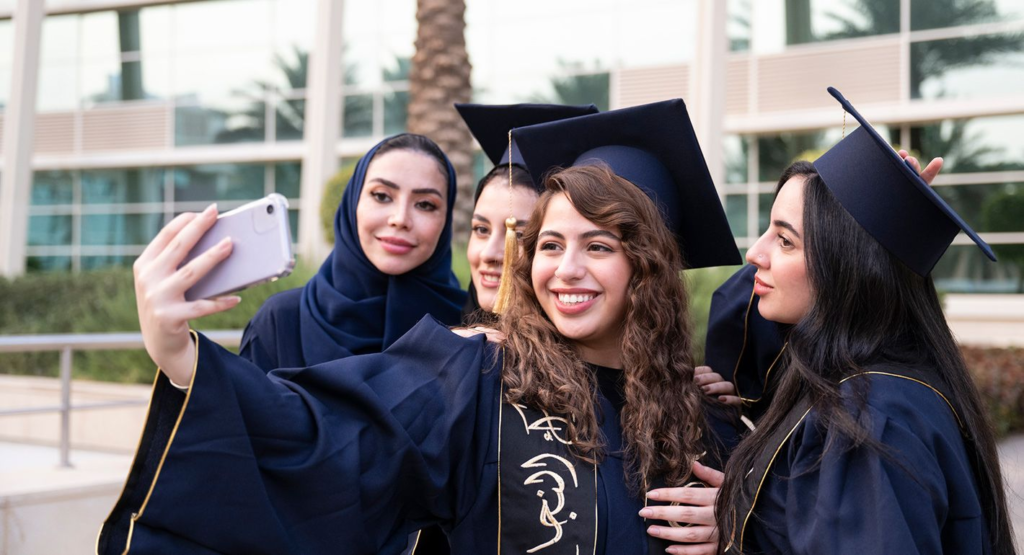
Female enrollment now matches or even surpasses male enrollment in many education stages. Today, more than 51% of university students in Saudi Arabia are women. - More Female Graduates in STEM Fields
In the past, women were mainly directed toward humanities and teaching. But now, women are entering science, technology, engineering, and mathematics programs. Universities like King Abdullah University of Science and Technology (KAUST) promote gender inclusion in research and innovation. - Scholarships Abroad
Thousands of Saudi women now study in global universities through government-funded scholarships. This move helps in cultural exchange, skill development, and preparing future leaders. - More Women in Faculty Positions
Today, women are not just students—they are teachers, researchers, and deans in Saudi universities. Initiatives to hire more female faculty members have contributed to a more balanced academic environment. - Co-Education in Higher Studies
Though still limited, some institutions now allow male and female students to share the same educational space, especially in postgraduate programs. - Vocational and Technical Education Opportunities
To bridge the skill gap, women are being encouraged to join technical and vocational training in areas like IT, healthcare, and business services. - Government Support Through Vision 2030
Under Vision 2030, the government continues to push for equality in education. One of the core goals is to raise the percentage of women in the workforce from 22% to 30%, with education as a key driver.
Social and Cultural Shifts Empowering Education
Education is not just about books and degrees—it’s about social change. Saudi Arabia’s education for women reflects a broader cultural shift happening in the country.
More families now believe in the importance of educating their daughters. Marriage is no longer seen as a barrier to education. Even in smaller towns and rural areas, more girls are staying in school and planning for college.
The media also plays a role, showcasing female scientists, doctors, and entrepreneurs as role models. These stories inspire young girls and help normalize the idea that women can pursue any career they choose.
Challenges That Still Remain
Despite progress, some barriers continue to exist in Saudi Arabia’s education for women.
- Limited Access in Rural Areas
Not all regions have the same level of access to quality schools, especially in remote areas. - Gender-Based Career Restrictions
Some career paths are still dominated by men, and women face challenges in joining certain fields after graduation. - Transportation and Mobility Issues
Although the driving ban was lifted in 2018, reliable and safe transport is still a problem for many female students. - Balancing Tradition and Modernity
Some families still prefer traditional gender roles, making it hard for girls to pursue higher studies or jobs after graduation.
Future Goals: Where Is Female Education Headed?
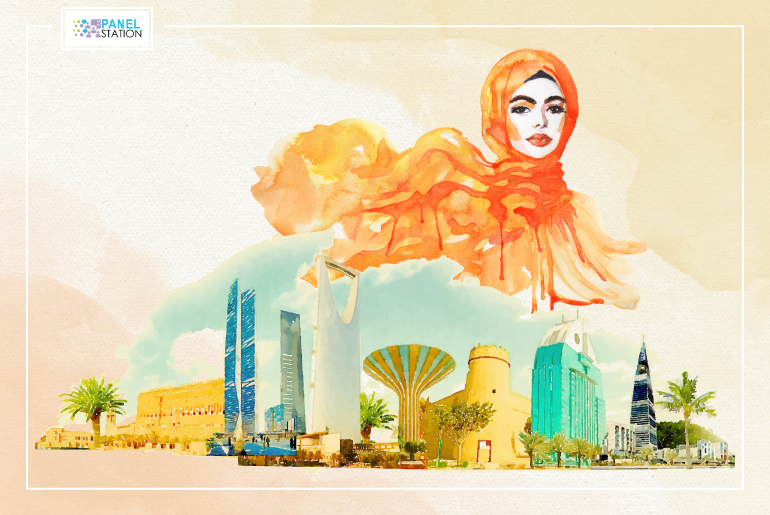
Saudi Arabia is not stopping here. The country has set bold targets for female education over the next decade. Some of these future goals include:
- Expanding e-learning and digital classrooms to reach girls in all parts of the country.
- Building more women-only universities and colleges to increase higher education capacity.
- Launching mentorship programs connecting female students with professionals and businesswomen.
- Creating leadership training courses to prepare women for top roles in education, business, and government.
- Improving school facilities to offer better science labs, sports programs, and creative spaces for girls.
These goals align closely with the country’s vision for a knowledge-based economy where both men and women contribute equally.
Why It Matters: The Global Perspective
Saudi Arabia’s education for women is not just a local success—it’s a global inspiration. At a time when millions of girls worldwide still struggle to access basic education, Saudi women are breaking stereotypes and pushing boundaries.
International organizations like UNESCO and the World Bank have praised the Kingdom’s progress, while also urging it to maintain momentum. With continued government support, community participation, and student ambition, the future looks promising.
Final Thoughts
Saudi Arabia’s education for women has moved from a place of deep limitation to one of great opportunity. The journey is still ongoing, but the direction is clear—towards empowerment, equality, and excellence.
As more girls enter schools, graduate with advanced degrees, and join the workforce, the nation stands to gain not just in economic growth, but in building a more balanced, inclusive society.
For every young Saudi girl today, the classroom is no longer a dream. It’s a door to a stronger, smarter future.
Also Read – Environmental Education in Saudi Arabia: 5 Powerful Ways It’s Changing Young Minds

