

The growing role of international schools in Saudi Arabia’s education sector is reshaping how students learn and grow in the Kingdom. As Saudi Arabia continues to open its economy and society to the world, the demand for high-quality, globally-recognized education is rising sharply. International schools are becoming a top choice for both expatriate families and increasingly, for Saudi nationals.
In the last decade, Saudi Arabia has seen a rapid expansion in the number and influence of international schools. These institutions are helping the country modernize its education system and prepare students for global opportunities.
1. International Curriculum Offers Global Standards
One of the main reasons for the rising popularity of international schools in Saudi Arabia is their globally recognized curriculum. From the British GCSE and A-Levels to the American High School Diploma and International Baccalaureate (IB), these schools follow international standards.
This helps students compete academically on a global level. They learn to think critically, work in teams, and approach problems creatively. This kind of learning environment is especially attractive to parents who want their children to be future-ready.
The growing role of international schools in Saudi Arabia’s education is also helping align the country’s goals with Vision 2030. This national plan emphasizes preparing the youth for global competitiveness, and international schools are playing a central role in achieving that.
2. Diverse Cultural Exposure Enhances Learning
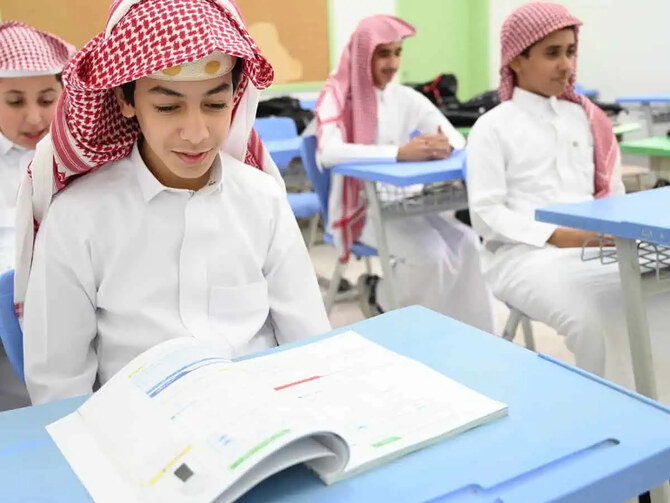
International schools in Saudi Arabia offer a multicultural environment. Students from different nationalities and backgrounds come together in one classroom. This creates a global mindset from an early age.
Saudi and non-Saudi students learn mutual respect, tolerance, and cultural appreciation. These values are vital in today’s interconnected world. It also helps students build lifelong friendships beyond borders.
This diversity is an essential part of why the growing role of international schools in Saudi Arabia’s education is seen as a major step forward. It not only enhances academics but also social and emotional development.
3. English-Medium Instruction Boosts Language Skills
Most international schools use English as the medium of instruction. This gives students a strong command of the language, which is a valuable skill for higher studies and careers worldwide.
English fluency also helps Saudi students gain admission to foreign universities and adapt quickly to international environments. Many of these schools also offer Arabic and Islamic studies, ensuring that local culture and values are preserved alongside global knowledge.
By combining language excellence with cultural sensitivity, the growing role of international schools in Saudi Arabia’s education strikes the right balance between tradition and progress.
4. Innovative Teaching Methods and Facilities
International schools are known for their modern teaching styles and state-of-the-art facilities. Teachers use technology-driven lessons, group projects, and inquiry-based learning instead of traditional memorization.
Many schools are equipped with science labs, digital classrooms, art studios, and sports facilities. These provide students with hands-on learning experiences that go beyond textbooks.
Such innovation is still developing in many public schools, making international institutions more appealing. The growing role of international schools in Saudi Arabia’s education helps bridge this gap by bringing global education practices into the local setting.
5. Career and University Opportunities Expand
International school graduates are highly valued by top universities around the world. Their education makes them stand out in competitive admission processes.
Universities in the UK, USA, Canada, and Australia often recognize the qualifications from these schools. This opens many doors for Saudi students who dream of studying abroad.
Even those who wish to stay in the Kingdom benefit from these schools. As Saudi Arabia’s job market becomes more global, international education gives young professionals an edge. The growing role of international schools in Saudi Arabia’s education plays a key part in nurturing tomorrow’s leaders.
Challenges and Considerations
While international schools have many advantages, they also face challenges. These include high tuition fees, limited seat availability, and the need to meet local education regulations.
Some families cannot afford the high cost, which can exceed SAR 50,000 per year. Additionally, competition for admission is increasing, especially in major cities like Riyadh, Jeddah, and Dammam.
Still, many parents believe the long-term benefits outweigh the costs. The Saudi government is also working to support education reforms and improve quality across all sectors. This may include partnerships between public and international schools in the future.
Government Support and Regulation
The Ministry of Education in Saudi Arabia closely monitors and licenses international schools. They must meet specific academic and administrative standards to operate.
New policies also encourage the hiring of qualified teachers and the use of technology in classrooms. As part of Vision 2030, education is a top priority, and international schools are an important part of this journey.
The growing role of international schools in Saudi Arabia’s education shows the Kingdom’s commitment to creating a world-class learning system. This vision is helping Saudi Arabia become a hub of knowledge in the Middle East.
Future Outlook
Looking ahead, international schools are expected to grow further in number and quality. More parents are becoming aware of the benefits of global education. Schools are also expanding to smaller cities and offering scholarships to widen access.
Edtech innovations, bilingual programs, and hybrid learning models may also shape the future. The growing role of international schools in Saudi Arabia’s education is not just a trend—it is a long-term shift that aligns with the nation’s modernization goals.
With continued support from both the public and private sectors, these institutions will keep playing a powerful role in shaping the next generation of global citizens.
Also Read –2025 Powerful Ways Saudi Schools Are Changing Education Forever

