


The future of education in Saudi Arabia after Vision 2030 is shaping into a new era of progress, opportunity, and digital transformation. With strong government support, educational reforms, and private sector involvement, the Kingdom is working hard to create a modern and future-ready system. This long-term plan is designed to develop a knowledge-based economy, support innovation, and prepare students for the demands of the global job market.
Saudi Arabia’s Vision 2030 has already brought noticeable changes to schools, universities, and technical training centers. The focus has shifted from traditional rote learning to building real-world skills, promoting creativity, and using technology to enhance teaching. But the road ahead still holds major milestones and challenges.
1. Major Curriculum Reforms Are Reshaping Classrooms
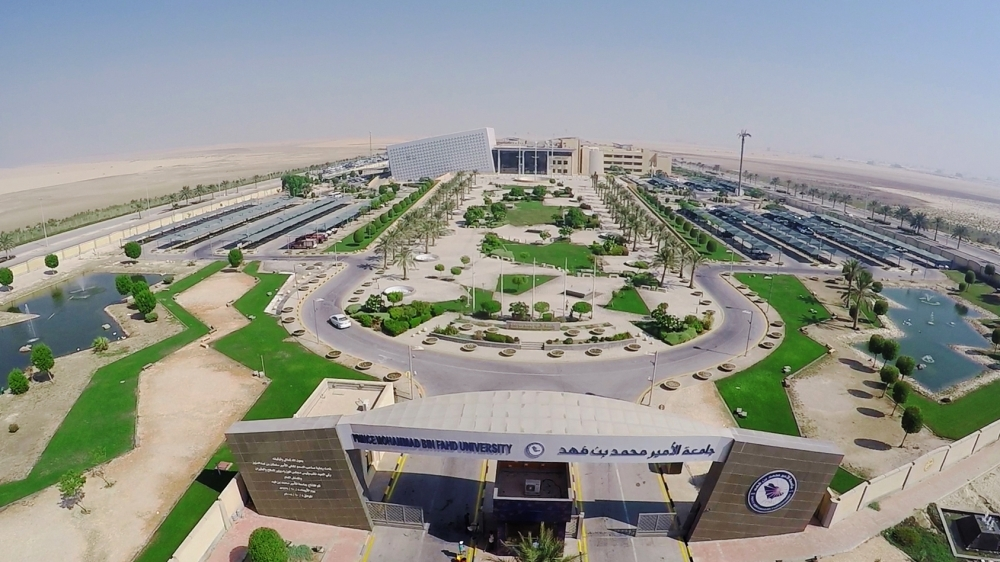
A major part of the future of education in Saudi Arabia after Vision 2030 is curriculum reform. Old methods are being replaced with new content that focuses on logic, problem-solving, teamwork, and leadership. Saudi Arabia’s Ministry of Education has introduced subjects such as critical thinking, digital literacy, financial awareness, and entrepreneurship across all grades.
This shift is meant to prepare students for the real world, not just exams. The plan also includes introducing English language skills early, so students can be competitive globally. With a strong curriculum that meets international standards, Saudi students will have better chances at succeeding in higher education and careers.
2. Digital Learning Is the New Normal
The future of education in Saudi Arabia depends heavily on digital learning. Smart classrooms, online resources, and digital devices are becoming common in both public and private schools. During the pandemic, the Madrasati platform helped millions of students continue learning from home. Now, this shift to digital is a permanent part of the education strategy.
E-learning platforms, smart boards, and virtual labs allow students to study at their own pace and explore topics more deeply. Teachers are receiving training to use digital tools effectively, making lessons more interactive and engaging.
The government is also encouraging the development of local EdTech startups and forming partnerships with global tech companies. This will ensure that future students have access to world-class learning systems.
3. Focus on Early Childhood Education
Vision 2030 highlights the importance of early childhood development. Investments in pre-school education have increased rapidly. Public and private sector efforts are working together to provide better kindergartens, learning resources, and qualified teachers for young children.
Experts believe that starting education early improves brain development and helps children gain important social and language skills. By increasing early education enrollment, the Kingdom is building a stronger base for the future of its education system.
4. Empowering Women Through Equal Education Access
Another major goal of Vision 2030 is empowering women. The future of education in Saudi Arabia after Vision 2030 clearly supports equal opportunities for girls and women at all education levels.
More scholarships and leadership training programs are now available for female students. Women are taking up more roles as educators, researchers, and school leaders. This progress ensures that women will play a big part in the country’s educational and economic future.
Universities are also offering more STEM (Science, Technology, Engineering, Mathematics) programs to female students, breaking traditional barriers and encouraging innovation from all parts of society.
5. Technical and Vocational Education Gets a Boost
As Saudi Arabia reduces its dependence on oil, the job market is changing fast. To prepare students for new industries like tourism, AI, and renewable energy, the education system is investing heavily in Technical and Vocational Education and Training (TVET).
The goal is to equip young Saudis with the technical skills needed for today’s jobs. Vision 2030 aims to increase the number of students in vocational tracks and link them with real work experience through internships and apprenticeships.
Private companies are also encouraged to collaborate with vocational centers to design industry-specific training programs, making sure graduates meet actual job requirements.
6. Education Becomes More Inclusive and Global
To match international standards, Saudi Arabia is partnering with global universities and institutions. This has led to the rise of exchange programs, international campuses, and joint research opportunities. Saudi students are also receiving scholarships to study abroad in top universities.
The government is also focusing on making education inclusive for students with disabilities by improving accessibility, teacher training, and special resources.
Such steps reflect the country’s aim to create an open and inclusive system that prepares youth for a global stage.
7. Teachers Are Trained for Tomorrow’s Needs
No education reform can succeed without investing in teachers. The future of education in Saudi Arabia after Vision 2030 includes better salaries, training, and professional development programs for educators.
Thousands of teachers are attending workshops, university training, and online courses to improve their teaching methods. The focus is on encouraging a growth mindset, use of tech tools, and understanding the emotional needs of students.
With well-trained teachers, classrooms become centers of innovation and inspiration.
Challenges Still Remain
While progress is clear, challenges still exist. Some rural areas still lack access to high-speed internet or modern infrastructure. There is also a need to balance modern reforms with traditional values.
Another major issue is preparing teachers and students to adjust to the fast pace of digital and curriculum changes. Continuous training and awareness programs are required to keep everyone updated.
However, Saudi Arabia is addressing these concerns with strong policies, investment in infrastructure, and international cooperation.
Conclusion: A Bright Future with Global Possibilities
The future of education in Saudi Arabia after Vision 2030 looks bright, promising, and full of opportunity. With a clear roadmap, strong leadership, and a focus on student success, Saudi Arabia is building a powerful knowledge economy. The country’s commitment to innovation, inclusivity, and skill development will play a key role in shaping the minds of tomorrow.
As these reforms continue, students in Saudi Arabia can look forward to a world-class education system that not only teaches them but prepares them to lead in a changing world.
Also Read – 5 Powerful Reasons Vocational and Technical Education Is Rising in Saudi Arabia

