

Education in Saudi Arabia plays a vital role in the country’s transformation. With Vision 2030 setting a bold direction, the Saudi government is using the education system as a key tool to support national development goals. From building a knowledge-based economy to improving job opportunities, education is now at the heart of every plan for the nation’s future.
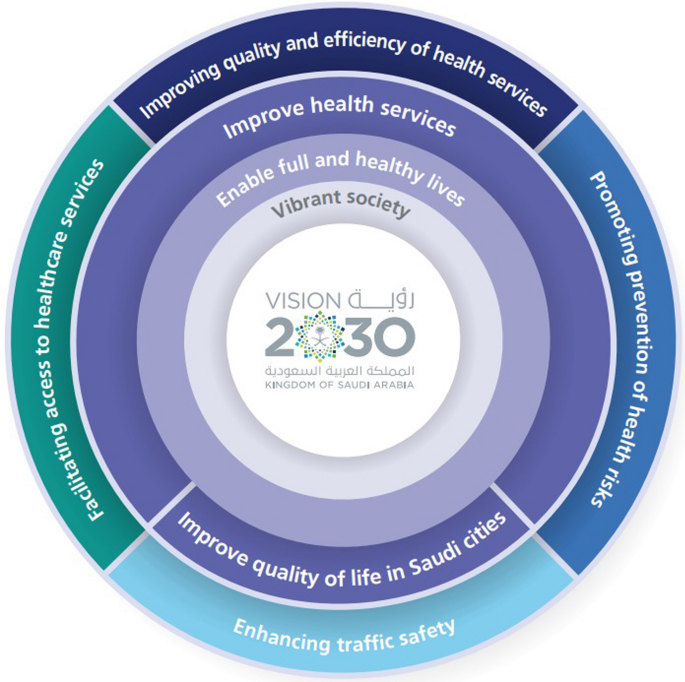
This article explores how education in Saudi Arabia is driving economic progress, social development, innovation, and global competitiveness—while aligning closely with the strategic priorities of the nation.
1. Reformed Curriculum to Match Market Needs
One of the major ways education in Saudi Arabia supports development is by reshaping its curriculum to suit modern job markets. Traditional learning methods are being replaced with practical, skill-based training. Subjects like science, technology, engineering, and mathematics (STEM) are now emphasized across all levels.
The Ministry of Education is working with global institutions to review and update school syllabuses. These reforms aim to give students the knowledge and skills needed for new sectors such as AI, renewable energy, data science, and robotics. This shift helps prepare a strong workforce that meets both current and future labor demands, in line with Saudi Arabia’s Vision 2030.
2. Boosting Women’s Participation in Education
Another significant move in education in Saudi Arabia is promoting equal opportunities for women. In the past, female participation in education and the labor market was low. But now, major progress is being made.
Female enrollment in universities has increased significantly, with many young women pursuing degrees in engineering, IT, and health sciences. The government has also launched scholarship programs to support women in higher education and research. As more women are empowered through education, they are contributing actively to economic development and innovation.
This positive shift directly supports the national goal of increasing women’s workforce participation to 30% or more.
3. Emphasis on Technical and Vocational Training
The kingdom has realized that academic education alone is not enough. To build a balanced economy, education in Saudi Arabia is giving strong attention to technical and vocational education and training (TVET).
Through initiatives like the Technical and Vocational Training Corporation (TVTC), young Saudis are being trained in various fields such as electrical engineering, hospitality, aviation, mechanics, and IT. These programs are aligned with the needs of private-sector industries, ensuring that graduates can find employment quickly.
TVET programs reduce dependency on foreign labor and prepare local talent to take up skilled roles in the workforce, which supports the economic goals of Vision 2030.
4. Investment in Digital Learning and Innovation
Technology is playing a growing role in education in Saudi Arabia. The COVID-19 pandemic accelerated the shift to digital learning, and Saudi Arabia has made long-term investments to improve e-learning platforms.
National platforms such as Madrasati and Future Gate allow students to access lessons online, improving access to quality education even in remote regions. Universities are also partnering with international institutions to offer online degrees and certifications.
Additionally, educational institutions are introducing innovation hubs and research centers. These facilities support students in developing solutions for national challenges in healthcare, climate, and sustainability—fueling a culture of innovation that aligns with national development.
5. Scholarship Programs and International Partnerships
To compete globally, education in Saudi Arabia is focusing on international exposure. Government-led scholarship programs like the Custodian of the Two Holy Mosques Scholarship Program send students abroad to pursue higher education at top universities.
These students return with new knowledge, global experience, and advanced skills that benefit the local economy. In addition, Saudi universities are partnering with international institutions to improve teaching standards and academic research.
Such collaborations ensure Saudi students and researchers remain on par with global standards, promoting knowledge transfer and raising the country’s global academic ranking.
Measurable Impacts on National Development
The connection between education in Saudi Arabia and national development is already showing results. Employment rates for graduates are rising, literacy levels have improved, and the private sector is benefiting from better-trained talent.
Many new universities and colleges have been established, such as Princess Nourah Bint Abdulrahman University, King Abdullah University of Science and Technology, and Imam Abdulrahman Bin Faisal University—each with a specific role in contributing to national development.
Further, the Ministry of Education has launched the Human Capability Development Program, one of the Vision 2030 initiatives, which focuses entirely on preparing future-ready citizens through quality education, lifelong learning, and skill development.
Overcoming Challenges Ahead
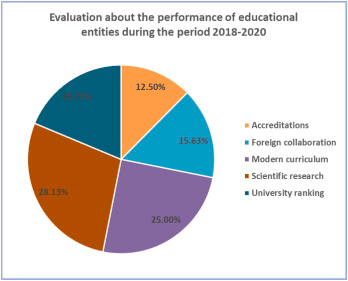
While progress has been remarkable, education in Saudi Arabia still faces some challenges. There remains a gap between some academic programs and the demands of employers, and more needs to be done to promote creativity and independent thinking in classrooms.
Additionally, rural regions may not have equal access to digital infrastructure or modern teaching methods. The government is working on targeted programs to reduce this digital and educational divide.
Despite these challenges, the direction is clear—education will continue to be a key pillar for Saudi Arabia’s progress.
Conclusion
Education in Saudi Arabia is no longer just about schools and degrees—it is a strategic engine for national development. From reforming curriculum to promoting women’s education, investing in technology, and supporting research, every step taken is closely tied to economic growth and national transformation.
With Vision 2030 as a roadmap, education is leading the way to a more sustainable, competitive, and knowledge-driven society. As the kingdom continues its journey, the foundation built through education will remain essential for long-term success.
Also Read – How Technology Is Revolutionizing Education in Saudi Arabia: 7 Amazing Changes

