

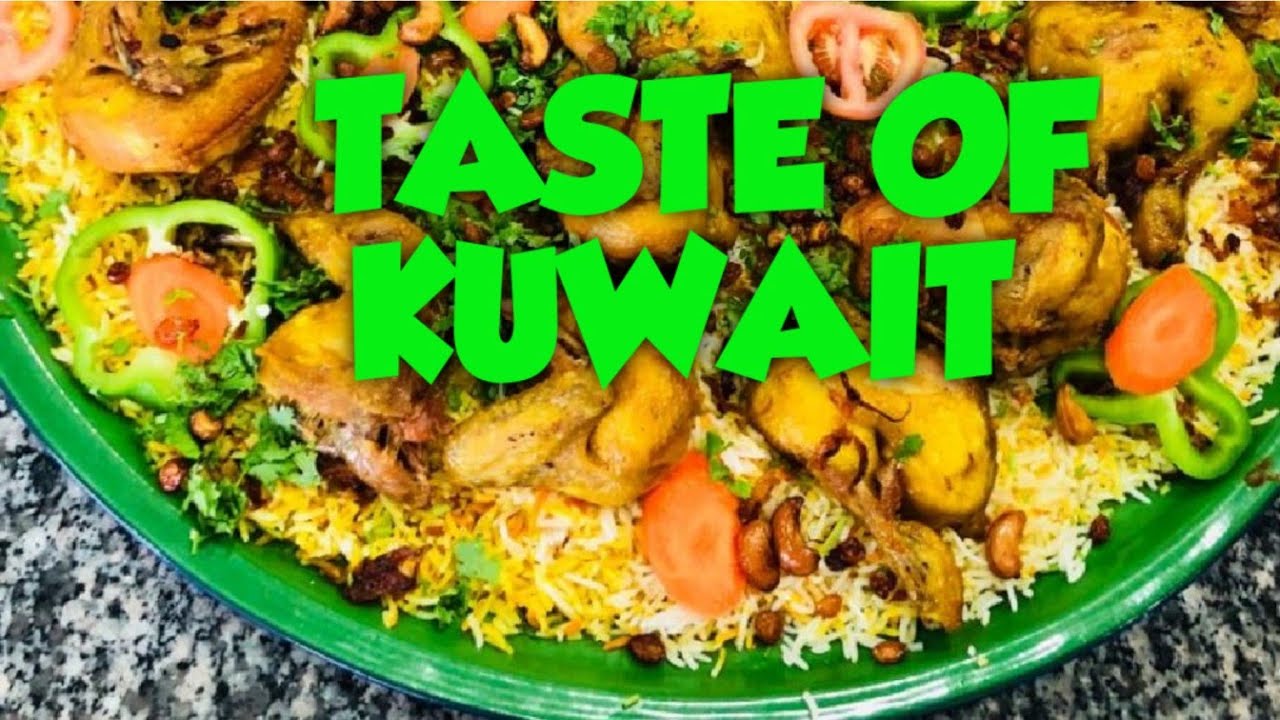
Kuwaiti food blends Arabic, Persian, and Indian flavors in a unique and delicious way that reflects the country’s rich history and strategic location in the Gulf. As Kuwait grew into a hub for trade, culture, and migration, its cuisine evolved into a melting pot of spices, techniques, and traditions. From fragrant rice dishes to aromatic stews, Kuwaiti food showcases a cultural mix like no other.
In this article, we will explore how Kuwaiti cuisine is influenced by three major cultures — Arabic, Persian, and Indian. You’ll also learn about the ingredients, cooking styles, and dishes that perfectly highlight this fusion.
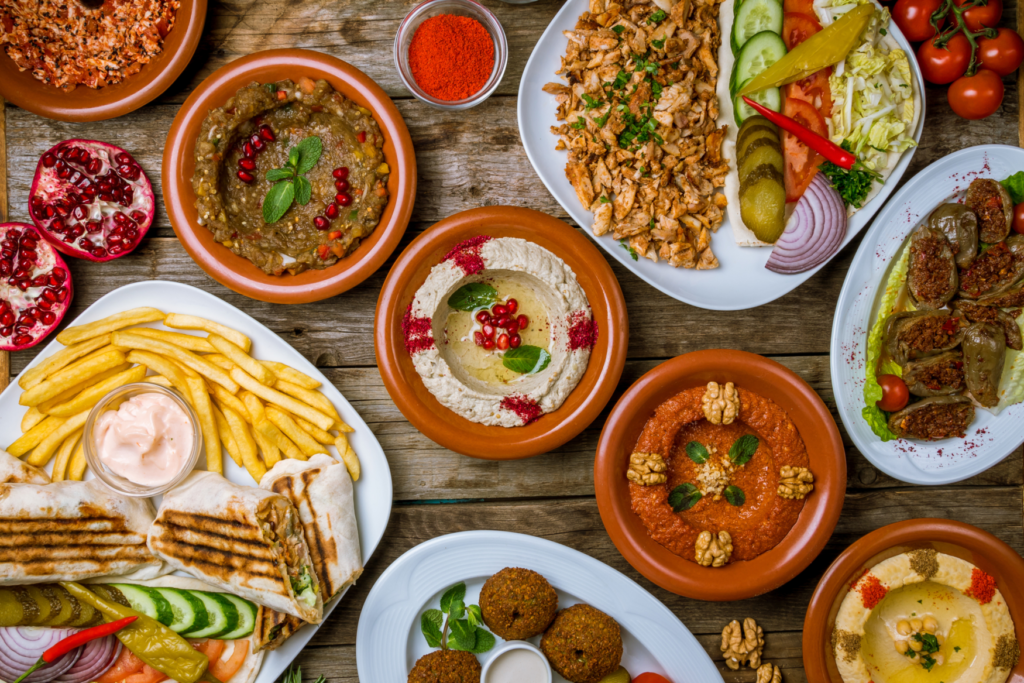
1. Spices from India Add Intense Flavor
One of the strongest Indian influences in Kuwaiti food is the use of spices. Indian traders brought with them cardamom, turmeric, cumin, cinnamon, and chili — all of which are essential in many Kuwaiti dishes today. These spices are used to marinate meat, flavor rice, and even enhance stews.
For example, machboos, Kuwait’s national dish, is a spiced rice dish cooked with meat, similar to Indian biryani. While the dish has Arabic roots, the spices used — like cloves and black pepper — clearly reflect Indian culinary tradition.
2. Rice as a Central Ingredient from Persian Traditions
Persian cuisine also plays a big role in Kuwaiti food, especially in the way rice is cooked and served. Persians are known for their rice techniques, like creating a crispy bottom layer called tahdig. While Kuwaiti cuisine doesn’t exactly use tahdig, the respect and attention given to rice in both cultures are similar.
Kuwaitis often serve basmati rice, which is originally from India and popular in Persian households too. They cook it with saffron, rosewater, or dried lime — ingredients commonly found in Persian dishes — to create rich and aromatic flavors.
3. Arabic Grilling Traditions in Kuwaiti Meat Dishes
The Arabic side of Kuwaiti cuisine is most evident in the grilling and roasting techniques. Grilled lamb, chicken kebabs, and charcoal-cooked fish are all popular in Kuwait. These dishes are typically marinated in spice blends influenced by Indian and Persian flavors, but the preparation method comes from Arabic culture.
For example, mutabbaq samak, a fish and rice dish, is deeply rooted in Gulf Arab traditions. It’s often served with a tomato and spice sauce that hints at Persian and Indian flavor profiles.
4. Persian Herbs Create Freshness in Stews
Kuwaiti stews known as maraq owe much to Persian cuisine. These stews are cooked slowly with herbs like coriander, parsley, and dill — a Persian touch that adds a fresh aroma and flavor. Often, dried lime or loomi is added, which gives the stew a tangy edge typical of Persian and Indian curries.
Dishes like maraq bamia (okra stew) and maraq laham (meat stew) show how Persian herbs and spices have been fully adopted into Kuwaiti kitchens.
5. Indian Influence in Kuwaiti Street Food
Indian workers have been a part of Kuwait’s society for decades, and their food has influenced local street dishes too. You’ll often find spicy samosas, chapati wraps, and karak tea — all of which are originally Indian — sold in Kuwaiti markets.
These items have been customized with Arabic and Kuwaiti flavors. For instance, a samosa might be filled with minced lamb and Arabic spices, blending Indian street food with Kuwaiti tradition.
6. Shared Desserts with a Fusion Twist
Kuwaiti desserts are also influenced by the three cultures. Arabic desserts like basbousa (semolina cake) meet Persian touches like rosewater and saffron, while Indian sweets like halwa are adapted into halwa el sham, a local dessert popular during Ramadan.
Kuwaiti sweets often use nuts, dates, honey, and ghee — ingredients that reflect a shared culinary heritage across the Arab, Persian, and Indian worlds.
7. Cooking Methods Reflect Mixed Heritage
Kuwaiti cooking methods often involve slow-cooking, marination, and layering of flavors — a technique inspired by all three cuisines. From Indian-style curries to Persian-style herb rice and Arabic-style meat roasting, Kuwaiti cooks take the best from each culture.
The combination of Indian spice layering, Persian use of aromatics, and Arabic grilling creates a well-balanced, flavorful cuisine that stands out in the Middle East.
Final Thoughts: A Fusion Built Over Centuries
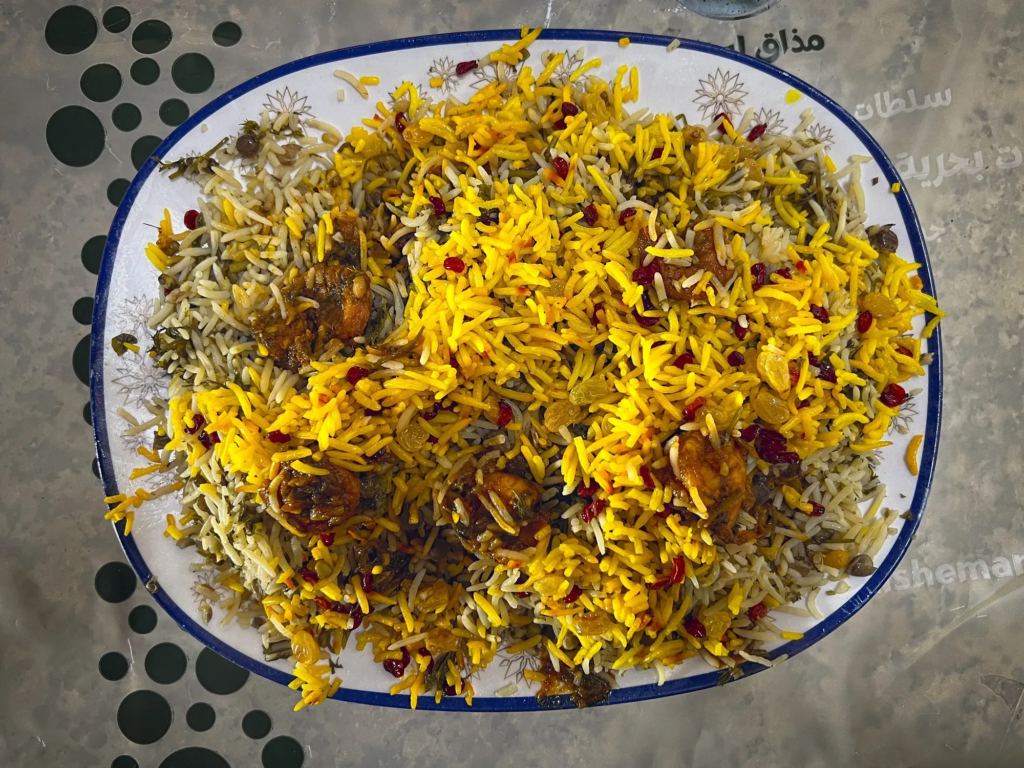
The way Kuwaiti food blends Arabic, Persian, and Indian flavors is not just about taste. It tells a story of migration, trade, family traditions, and cultural exchange. As generations pass, this fusion continues to evolve while holding onto the essence of each influence.
Whether you’re enjoying a plate of machboos, sipping karak tea, or savoring a rich stew, you are tasting history — a flavorful mix of three powerful cultures.
Also Read – Saudi Arabia’s: 5 Powerful Ways AI Is Transforming Education

