

Saudi Arabia’s Coffee and Majlis Culture is one of the most symbolic and heartfelt parts of the kingdom’s identity. It goes beyond sipping a traditional drink; it reflects values of hospitality, unity, and deep-rooted heritage. When guests are invited into a Saudi home or gathering, they are welcomed with a cup of Arabic coffee, served in a majlis — a special seating area designed for discussion, bonding, and celebration.
In this article, we’ll explore seven powerful aspects of this unique cultural tradition that continues to thrive in modern Saudi life.
1. Coffee in Saudi Arabia Is a Sign of Respect and Welcome
The first and most important role of Saudi Arabia’s Coffee and Majlis Culture is to express hospitality. In Saudi society, guests are treated with the utmost respect, and the first thing offered is a small cup of qahwa — traditional Arabic coffee.
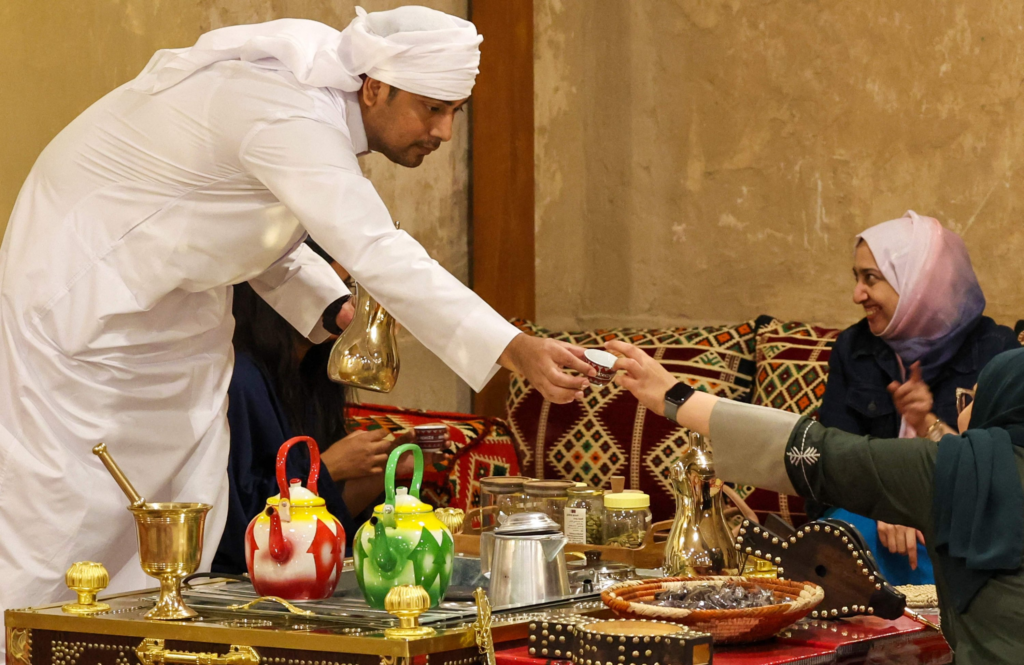
This coffee is usually lightly roasted and spiced with cardamom, sometimes flavored with saffron or cloves. It is served in small handle-less cups called finjan. The ritual of pouring coffee is usually performed by the youngest member of the family or the host, and it reflects humility and service.
2. The Majlis Is the Heart of Social Gatherings
The word majlis means “a place of sitting” in Arabic. It is often a large room with floor seating, cushions, and sometimes low tables. Traditionally, men and women have separate majlis areas, though modern homes may adapt the practice.
In both rural and urban Saudi settings, the majlis plays a central role in community life. It is where people talk, share news, discuss business, solve disputes, and celebrate events like weddings or births.
Saudi Arabia’s Coffee and Majlis Culture is strongly tied to unity, and the majlis is where this unity takes shape.
3. The Coffee Is Served in a Specific Ritual
There is a clear ritual to serving Arabic coffee. The host always stands while pouring the coffee, and the cup is only filled a third of the way. Guests usually accept at least one cup, but can drink more if they wish.
When a guest has finished, they shake the cup slightly from side to side before handing it back. This signal lets the server know the guest does not want a refill.
Breaking this tradition is rare, and observing it is seen as a sign of respect for Saudi Arabia’s Coffee and Majlis Culture.
4. The Culture Has Been Recognized by UNESCO
In 2015, Saudi Arabia’s Coffee and Majlis Culture was added to UNESCO’s Intangible Cultural Heritage list. This international recognition shows how important this tradition is, not only for Saudi citizens but also for world culture.
UNESCO acknowledged that the majlis promotes dialogue, strengthens community relationships, and passes down knowledge from one generation to the next. The recognition of qahwa highlights how a simple drink can carry great cultural value.
5. The Tradition Strengthens Family and Tribal Bonds
In the past, majlis gatherings were often held by tribal leaders or family elders to discuss serious matters or settle conflicts. Even today, important issues are handled through face-to-face conversation in a calm and respectful majlis setting.
Saudi Arabia’s Coffee and Majlis Culture helps build a sense of identity, belonging, and respect within families and communities. The sharing of coffee encourages open dialogue and strengthens emotional connections.
6. Women Also Have Their Own Rich Majlis Traditions
Although many traditional majlis spaces are male-only, women in Saudi Arabia also have strong majlis traditions. These spaces are used for socializing, storytelling, preparing food, and celebrating life events.
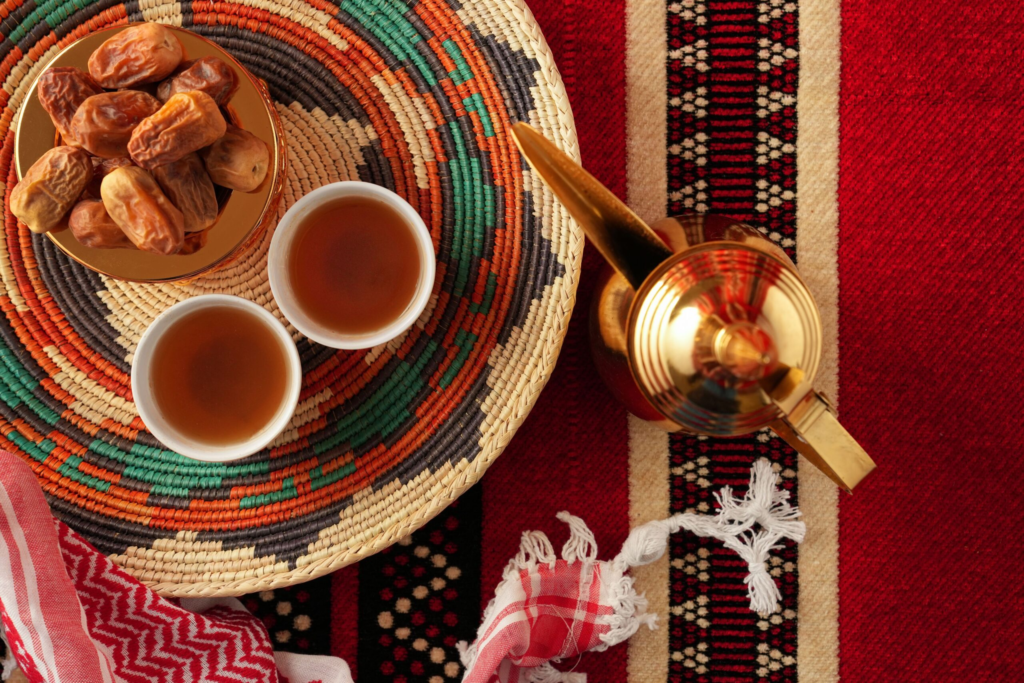
In modern Saudi society, women’s majlis gatherings are equally vibrant and influential. Women often serve coffee with dates and sweets, maintaining the same rituals and hospitality practices as the men’s majlis.
This inclusive side of Saudi Arabia’s Coffee and Majlis Culture shows how the tradition adapts across genders while keeping its core values.
7. The Culture Is Being Preserved and Promoted
With Saudi Arabia’s Vision 2030 plan, there has been renewed effort to protect and promote national heritage. Cafes, tourism programs, and cultural festivals across the kingdom now showcase Saudi Arabia’s Coffee and Majlis Culture to visitors and young generations.
The Ministry of Culture even launched a “Year of Saudi Coffee” campaign, highlighting its importance as a symbol of pride and unity. More young people are learning the rituals, and many families are restoring traditional majlis designs in their homes.
Why This Culture Still Matters Today
In a fast-changing world, where technology often replaces human interaction, Saudi Arabia’s Coffee and Majlis Culture reminds people of the value of personal connection. The act of sitting together, sharing coffee, and having real conversations is a tradition worth preserving.
This cultural gem of Saudi Arabia is more than a routine — it is a lifestyle that encourages respect, listening, and meaningful communication.
Final Thoughts
Saudi Arabia’s Coffee and Majlis Culture continues to inspire admiration for its warm hospitality and deep sense of tradition. From the way coffee is served to the role of the majlis in society, every detail reflects centuries of heritage.
Whether you’re a visitor in the Kingdom or someone looking to understand its social fabric, learning about this culture offers a unique window into Saudi life.
Also Read –7 Powerful Reasons The Growing Culture of Entrepreneurship in Saudi Arabia Is Booming

