

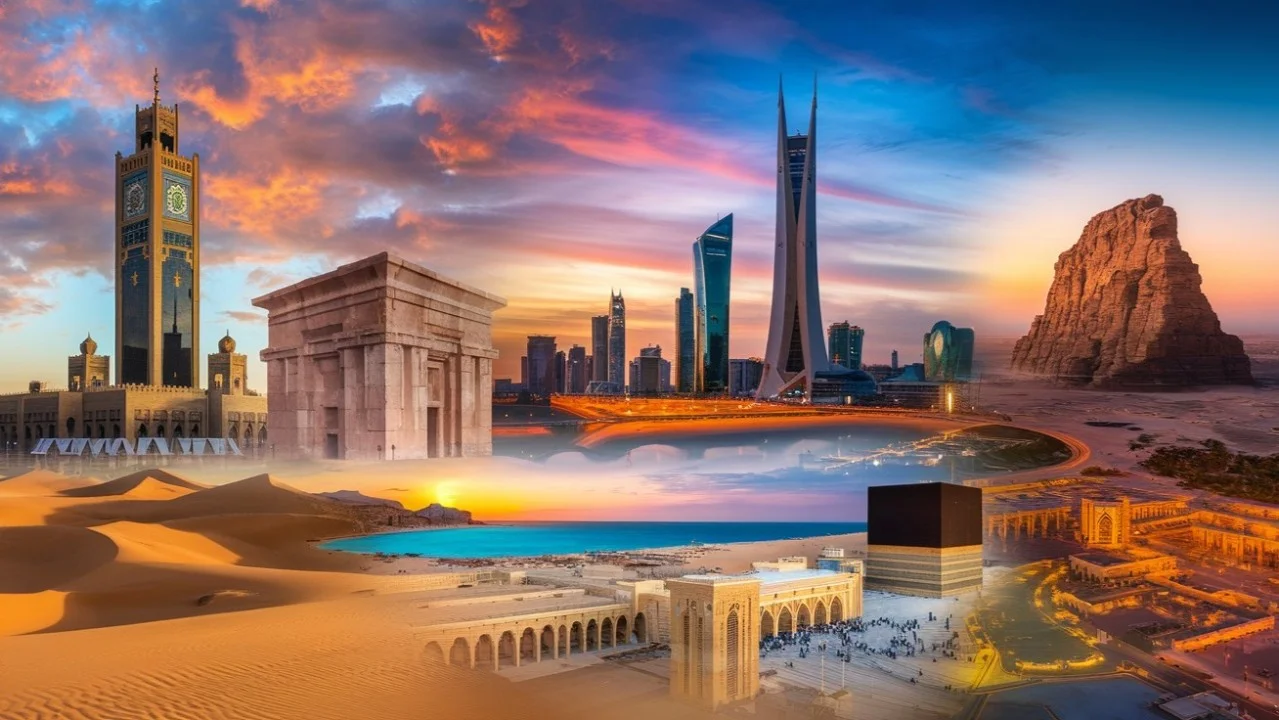
The smart lifestyle shifts Saudi Arabia will see in 2026 are expected to redefine daily life, work, health, and entertainment for millions of people. As part of Vision 2030, the country is embracing modern technologies and sustainable practices to enhance the quality of life and offer a future-ready environment.
From smart homes and electric transportation to AI-driven healthcare and digital governance, Saudi Arabia is moving toward a more connected, efficient, and environmentally conscious society. These lifestyle changes are not just trends but long-term strategies aligned with the nation’s development goals.
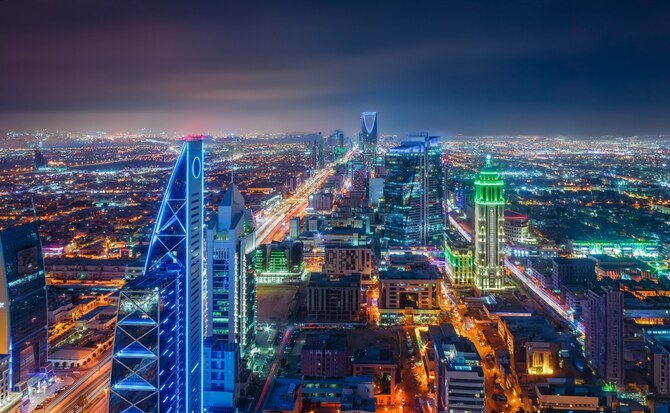
Let’s explore the major smart lifestyle shifts that will shape Saudi Arabia in 2026.
1. Widespread Adoption of Smart Homes
By 2026, smart homes will become a standard in urban developments across Saudi Arabia. These homes will feature AI-powered systems that control lighting, temperature, and security. Many new residential projects, including NEOM and The Line, are already integrating smart infrastructure.
Smart lighting, energy monitoring, and voice-activated assistants will provide residents with greater control and comfort. These changes are expected to improve energy efficiency and reduce the environmental footprint.
2. AI and Robotics in Healthcare
Healthcare in Saudi Arabia will become smarter and faster by 2026. Hospitals and clinics are preparing to use artificial intelligence for diagnosis, treatment plans, and patient management. Robotic surgeries, virtual health consultations, and AI-powered health records will become more common.
The Ministry of Health is working with tech companies to create smart healthcare hubs, especially in Riyadh and Jeddah. These innovations will reduce waiting times and increase patient satisfaction.
3. Green and Electric Transportation
Saudi Arabia is shifting toward sustainable mobility. By 2026, a large number of electric vehicles (EVs) will be seen on the roads. Charging stations are being built across major cities, and the government is offering incentives for EV buyers.
Projects like the Riyadh Metro and NEOM’s zero-carbon transport system will also reduce traffic and air pollution. Smart traffic lights and AI-based traffic monitoring will help improve road safety and efficiency.
4. Digital Governance and Paperless Services
Saudi Arabia will become more digitally connected in 2026. Government services will go fully paperless, and digital IDs will be used for most official activities. Residents will be able to access services such as tax payments, visa renewals, and licensing through mobile apps and AI-based platforms.
This shift toward e-governance will save time and reduce bureaucracy. Smart ID systems and blockchain technology will ensure privacy and security for citizens.
5. Smart Education for Future Skills
Education will undergo a digital transformation. Schools and universities in Saudi Arabia are adopting smart classrooms and online learning platforms. By 2026, students will use AI-powered tools to personalize their learning paths.
Subjects like coding, robotics, and data science will be added to the core curriculum. Virtual reality and gamified learning will make education more interactive and engaging. These changes aim to prepare the youth for the future job market.
6. Smart Cities Like NEOM and The Line
Saudi Arabia’s mega-projects NEOM and The Line are at the center of its smart lifestyle revolution. These cities are being designed with cutting-edge technologies, sustainable living principles, and complete digital integration.
By 2026, the first phases of these projects will be complete, offering residents access to green energy, AI-run transport, and fully automated home systems. NEOM aims to attract global talent and become a hub for innovation and futuristic living.
7. Lifestyle Apps and Cashless Economy
Saudi Arabia is moving fast toward becoming a cashless economy. Mobile wallets like STC Pay and Apple Pay are being used widely. By 2026, most transactions in urban areas will be done through digital payment platforms.
Apps for food delivery, transport, health, and shopping are making everyday life easier and faster. Residents will enjoy seamless digital experiences in their daily routines.
8. Work-from-Anywhere and Smart Offices
Remote work and smart offices are gaining popularity in Saudi Arabia. Many companies now offer hybrid work models supported by cloud-based tools and AI analytics.
By 2026, smart office spaces with digital check-ins, facial recognition, and automated scheduling will be common. These technologies improve productivity and provide flexibility for workers across different sectors.
9. Environmental Awareness and Sustainable Living
A key part of the smart lifestyle shift is sustainability. Saudi Arabia is focusing on water recycling, solar energy, and green buildings. The use of smart meters and waste management systems will be widespread by 2026.
Residents are being encouraged to adopt eco-friendly habits through apps and community initiatives. Smart lifestyle choices will not only benefit the environment but also lower living costs in the long run.
Conclusion: A Bold Step Toward a Smart Future
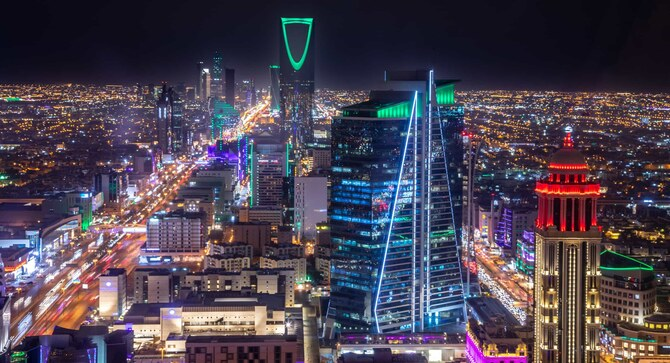
The smart lifestyle shifts Saudi Arabia will see in 2026 reflect the country’s commitment to innovation, sustainability, and quality of life. From smart cities and healthcare to education and eco-conscious living, every aspect of daily life is set to evolve.
These changes align perfectly with Saudi Arabia’s Vision 2030 goals. As the country invests in digital infrastructure and smart solutions, citizens and residents will enjoy a higher standard of living, better services, and a cleaner environment.
The future is not just coming to Saudi Arabia—it is already taking shape. And by 2026, these smart lifestyle shifts will be a normal part of everyday life.
Also Read – Why Lifestyle in Saudi Arabia Could Drastically Change by 2025

