

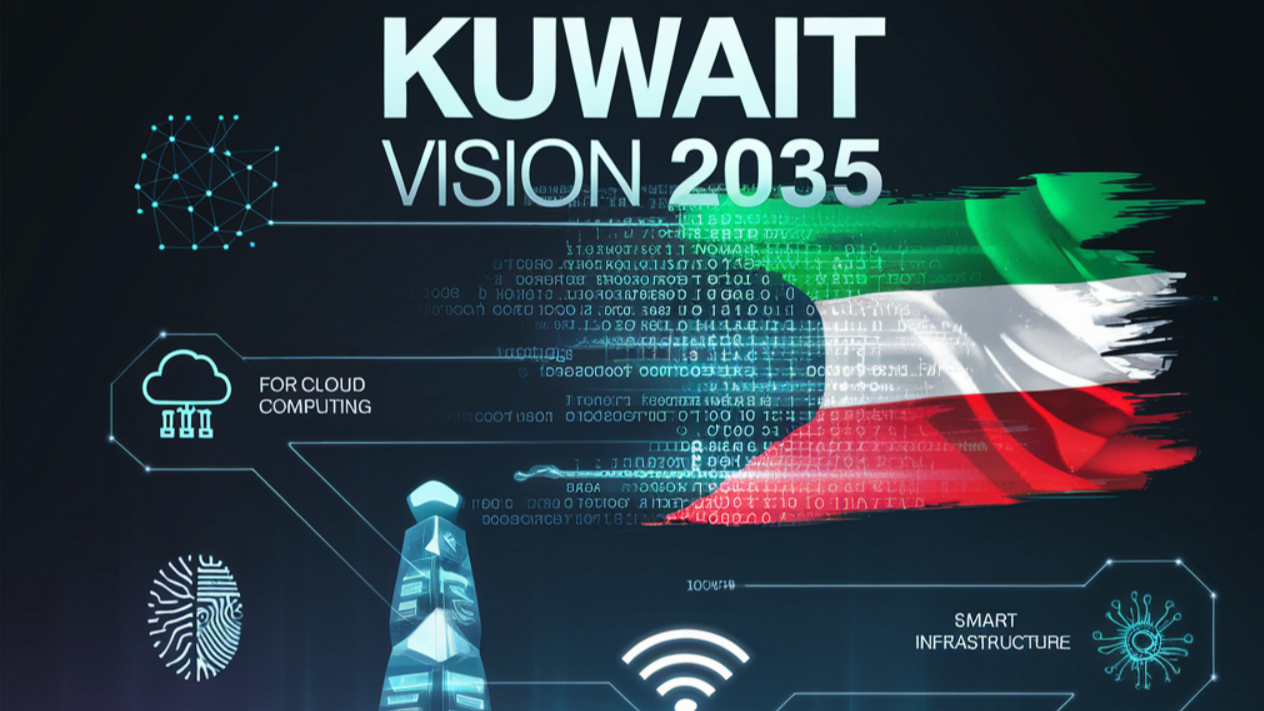
Kuwait sets 2035 as deadline for full digital education integration, marking a bold and ambitious step toward transforming its national education system. The Ministry of Education recently confirmed that the country has laid down a strategic plan to move away from traditional learning and fully implement digital solutions across all public and private educational institutions.
This decision is part of the national “New Kuwait Vision 2035,” a long-term strategy aimed at economic diversification, improved governance, and building a knowledge-based society. With this digital push, Kuwait hopes to ensure that future generations are equipped with modern skills and global competitiveness.
A Strategic and Timely Move

Kuwait sets 2035 as deadline for full digital education integration, a move that comes in response to growing technological demands and the success of online education during the COVID-19 pandemic. According to officials from the Ministry of Education, the country realized during the pandemic that technology can play a vital role in enhancing learning outcomes, improving access to knowledge, and streamlining educational delivery.
By setting the target year as 2035, the government aims to give enough time for gradual implementation, teacher training, infrastructure upgrades, and curriculum redesign to match international standards.
Key Components of the Integration Plan
The digital transformation of Kuwait’s education sector will include multiple stages and elements. The Ministry has outlined several key initiatives under this program:
- Smart Classrooms: All classrooms will be equipped with digital boards, projectors, and smart devices. Traditional textbooks will be replaced by tablets and e-books.
- Cloud-Based Learning: A national cloud platform will be developed where students and teachers can access materials anytime, anywhere.
- Teacher Training Programs: Thousands of teachers will undergo certification courses in digital teaching methods, blended learning, and educational software.
- Digital Curriculum: Subjects will be redesigned to include digital skills, coding, data literacy, and online collaboration tools.
Kuwait sets 2035 as deadline for full digital education integration not just to modernize schools, but to foster a new generation of learners who are ready to thrive in a digital economy.
Funding and Infrastructure Development
The government has allocated a significant portion of its education budget to this digital shift. Around KD 1 billion has been proposed for infrastructure development including high-speed internet, IT equipment for schools, and cybersecurity systems to protect student data.
In collaboration with private tech companies and international partners, Kuwait will invest in building a strong digital infrastructure that can support millions of users across the country’s educational landscape.
Challenges to Overcome
Despite the positive vision, this ambitious goal is not without its challenges. Experts believe that full digital integration will require overcoming several roadblocks:
- Digital Divide: Not all students currently have access to devices or internet at home.
- Resistance to Change: Some educators and institutions are hesitant to move away from traditional methods.
- Cybersecurity Risks: With increased digital activity comes the threat of data breaches and online safety issues.
- Training Burden: There is a massive need for upskilling teachers and administrators on digital platforms.
Kuwait sets 2035 as deadline for full digital education integration with awareness of these obstacles, but believes they can be addressed with steady planning and nationwide collaboration.
Public Reaction and Global Support

The announcement has received mixed reactions. Many parents and students have welcomed the move, seeing it as a sign of progress. Others are concerned about screen time, online distractions, and the quality of remote education.
However, global organizations such as UNESCO and the World Bank have praised Kuwait’s initiative. They see it as a forward-thinking step that aligns with Sustainable Development Goal 4 — “Quality Education for All.”
Vision Beyond the Classroom
Kuwait’s digital education drive is not limited to schools. The plan also includes digitizing higher education institutions, vocational training centers, and special education programs. University students will benefit from online labs, virtual internships, and AI-powered learning tools.
Kuwait sets 2035 as deadline for full digital education integration as part of a bigger mission to prepare its youth for a high-tech global job market.
Timeline and Implementation Phases
The Ministry of Education has released a broad implementation roadmap:
- 2025–2027: Pilot programs in selected schools, teacher training begins, and IT systems tested.
- 2028–2030: Nationwide rollout of infrastructure and partial curriculum digitization.
- 2031–2035: Full integration, complete digital curriculum, performance monitoring, and updates based on global trends.
This timeline ensures a step-by-step transformation, allowing time for troubleshooting and adaptation at every level.
The Road Ahead
As Kuwait sets 2035 as deadline for full digital education integration, it sends a powerful message about the country’s readiness to embrace the future. The education ministry, in partnership with stakeholders, is committed to building a tech-savvy generation ready to compete globally.
With its clear vision, investment, and inclusive planning, Kuwait is turning a challenge into an opportunity — creating a brighter, smarter, and more connected educational future for its youth.
Also Read – Why Kuwait’s Education Budget Faces Critical Pressure by 2025

