

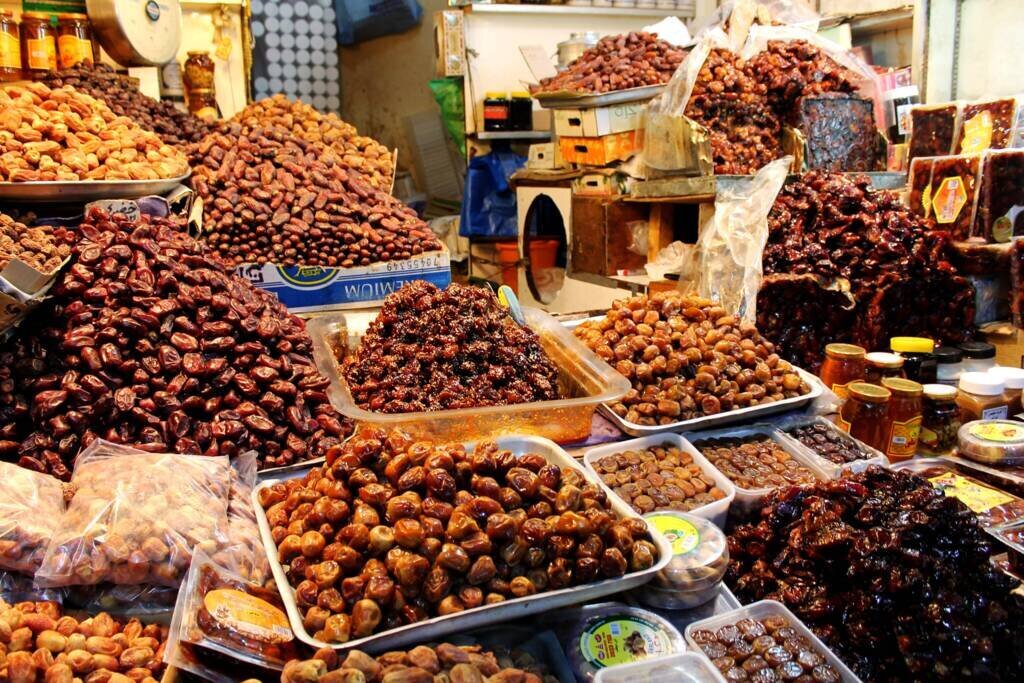
Kuwait’s Traditional Food Market is experiencing a surprising boom, reporting an impressive 60% growth in the past year even as international food chains continue to expand across the country. In a region known for embracing global trends, this shift highlights the growing pride in local flavors, heritage cuisine, and traditional eating experiences.
The growth of Kuwait’s Traditional Food Market shows that cultural identity remains strong in the country’s culinary preferences. While international brands like McDonald’s, KFC, and Starbucks have taken up space in malls and food courts, more people are now returning to their roots—supporting local vendors, street food stalls, and traditional restaurants that offer the tastes of Kuwait’s rich past.
The Rise of Heritage-Based Eating
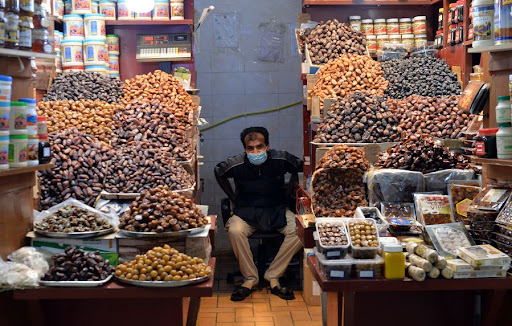
Kuwait’s Traditional Food Market is not just about food it’s about culture, history, and identity. Dishes like machboos (rice with meat or fish), harees (wheat with meat), and mutabbaq samak (spiced fish with rice) are gaining popularity among young Kuwaitis and expats alike. These meals offer a taste of the past, connecting generations through flavor.
This 60% rise highlights a major shift in consumer behavior. As people become more health-conscious and culturally aware, they are looking for food that offers both authenticity and quality. Traditional Kuwaiti dishes, often made with fewer processed ingredients and more home-style preparation methods, are now viewed as healthier and more meaningful than fast food alternatives.
What’s Driving the Growth?
Several factors explain the 60% growth in Kuwait’s Traditional Food Market:
- Cultural Revival: There is a renewed interest in national identity. Events, festivals, and social campaigns are encouraging citizens to embrace their roots, and food is a central part of that movement.
- Support for Local Businesses: The pandemic created strong support for homegrown businesses. Many Kuwaitis turned to local food vendors during lockdowns, and that habit continued even after restrictions lifted.
- Rise of Food Delivery Platforms: Digital platforms like Talabat and Carriage have made it easier for traditional food businesses to reach customers. Many small vendors now operate successfully without a physical store.
- Tourism and Expat Curiosity: Kuwait’s Traditional Food Market has also become a draw for tourists and expats who want an authentic local experience. Food tours and heritage dining experiences are now in demand.
- Social Media Influence: Food bloggers and influencers are playing a big role in promoting traditional dishes. Photos and videos of local meals are going viral, boosting visibility for these businesses.
Resilience Against Global Chains
Despite the aggressive expansion of global food chains, Kuwait’s Traditional Food Market continues to thrive. While international brands bring convenience and consistency, they often lack the cultural connection that local cuisine offers.
In fact, some traditional eateries are now outperforming fast food giants in certain areas. According to local reports, traditional food businesses have seen up to a 40% increase in repeat customers—especially during weekends and national holidays when families seek more meaningful dining options.
Global brands may still dominate high-traffic locations, but Kuwait’s Traditional Food Market is expanding through home kitchens, pop-up stalls, and niche restaurants that focus on quality, tradition, and customer loyalty.
Government Support and Community Initiatives
The Kuwaiti government is also recognizing the economic and cultural importance of the traditional food sector. Various initiatives have been launched to support small food businesses, including:
- Micro-Funding for Startups: Local entrepreneurs offering traditional food are receiving financial and technical support.
- Cultural Food Events: National festivals often feature traditional food competitions and street food markets, which help small vendors gain exposure.
- Licensing Flexibility: The government has simplified permits for home-based businesses, allowing many traditional cooks to launch legally and grow their operations.
These efforts are not only boosting Kuwait’s Traditional Food Market but also creating jobs and promoting cultural tourism.
Youth-Driven Innovation

Younger generations are also playing a crucial role in this trend. Many young Kuwaitis are opening restaurants and delivery kitchens that specialize in modern twists on traditional recipes. By combining authenticity with creativity, they’re attracting a wider audience.
From fusion dishes to eco-friendly packaging and social media marketing, these young entrepreneurs are modernizing the market while keeping the traditional roots intact.
Their success shows that Kuwait’s Traditional Food Market is not just surviving it is evolving. It now appeals to a broader customer base that values both tradition and innovation.
Challenges Ahead
While the 60% growth is impressive, Kuwait’s Traditional Food Market does face some challenges:
- Competition from Big Brands: Global chains have more resources, marketing power, and visibility. Traditional vendors need continued community support to stay competitive.
- Rising Costs: Ingredient and rent costs are increasing, affecting the profit margins of small food businesses.
- Consistency and Hygiene: To scale up, traditional food makers must maintain consistent quality and meet modern health and safety standards.
Still, with the current momentum, many believe the traditional sector can overcome these challenges, especially if government support and consumer interest remain strong.
Future Outlook
The future looks bright for Kuwait’s Traditional Food Market. With rising awareness, improved platforms for delivery, and growing consumer interest in cultural food, experts predict continued growth over the next five years.
More traditional food businesses are expected to go digital, partner with influencers, and introduce creative menus that appeal to new-age diners. As long as the focus remains on quality and cultural integrity, Kuwait’s Traditional Food Market will likely remain a key player in the national food economy.
Conclusion
Kuwait’s Traditional Food Market has shown resilience and strength, growing by 60% despite the expansion of global food brands. This trend is driven by cultural pride, changing consumer habits, digital transformation, and strong local support.
For anyone seeking a deeper connection to Kuwaiti culture or just a delicious meal traditional food is now the top choice. As the market continues to evolve, it proves that staying rooted in tradition can still lead to modern success.
Do follow Gulf Magazine on Instagram
Also Read – Shocking Rise in Processed Food Sales Alarms Kuwait Nutrition Experts

