

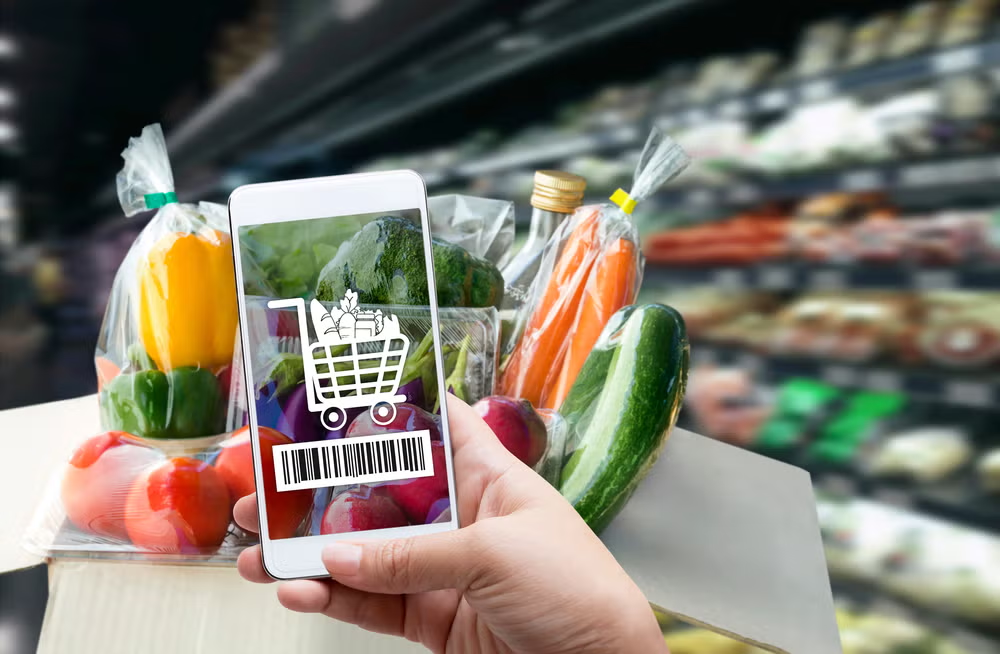
Smart Food Packaging Trends in Kuwait are changing the future of food safety, freshness, and sustainability. With the country targeting a 30% reduction in food waste by 2030, smart packaging technology is becoming a top priority for manufacturers, retailers, and government agencies alike.
In recent years, food waste has become a serious concern in Kuwait. According to local environmental reports, the nation discards thousands of tons of food each year. A large portion of this waste comes from poor packaging, spoilage, and a lack of transparency in food storage and shelf life. To solve this, Smart Food Packaging Trends in Kuwait are being developed and introduced to monitor, preserve, and protect food more effectively.
What Is Smart Food Packaging?
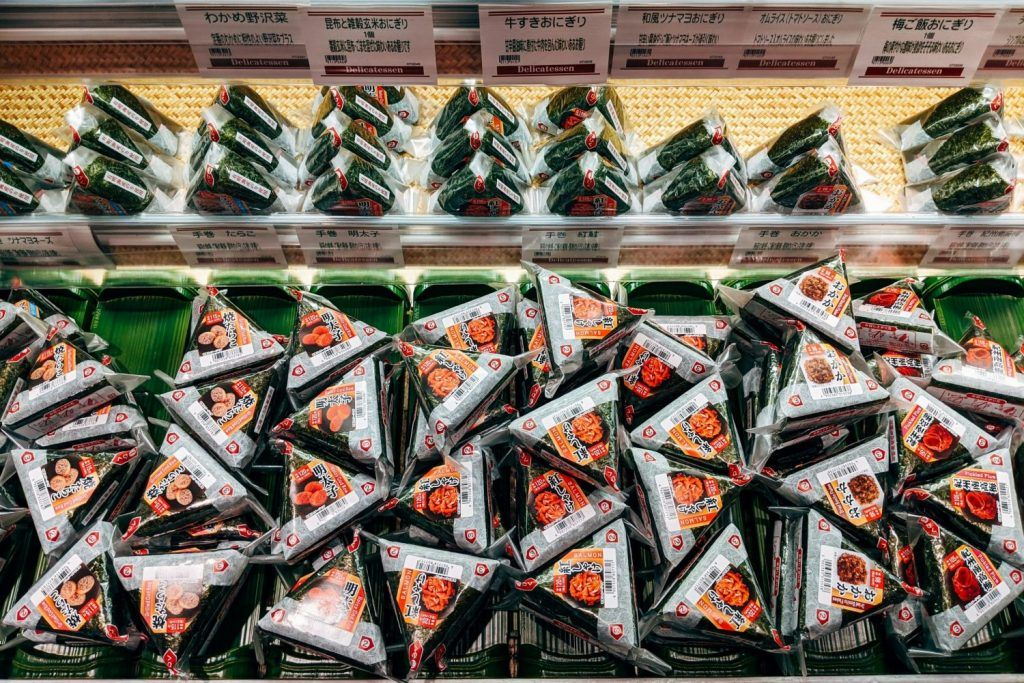
Smart packaging refers to materials and systems that do more than just wrap food. It includes features such as temperature control, freshness indicators, QR codes for product tracking, and biodegradable packaging solutions. These innovations help reduce spoilage, improve transparency, and support sustainable practices.
Smart Food Packaging Trends in Kuwait are inspired by global technologies but adapted to local needs. With extreme heat, long import chains, and high food demand, Kuwait faces unique challenges that smart packaging can help solve.
Why Focus on Smart Food Packaging Trends in Kuwait?
There are several reasons why Kuwait is investing heavily in smart packaging:
- Food Waste Reduction: With a target of cutting waste by 30%, Kuwait is looking for practical solutions. Smart packaging helps by extending shelf life and reducing spoilage.
- Consumer Awareness: Shoppers are becoming more conscious of food safety and sustainability. Smart Food Packaging Trends in Kuwait cater to these evolving expectations.
- Government Support: Kuwaiti authorities are encouraging eco-friendly innovation in the food sector. Regulations now promote biodegradable materials and smart-labeling practices.
- Environmental Concerns: Reducing plastic use and landfill waste is essential. Smart packaging often uses compostable or recyclable materials.
Key Smart Food Packaging Innovations in Kuwait
As part of the shift toward smarter systems, several technologies are gaining ground:
- Time-Temperature Indicators (TTI): These are color-changing labels that show if food has been stored properly. They’re especially useful in Kuwait’s hot climate.
- Smart Labels and QR Codes: Allow customers to scan for information about origin, ingredients, expiry, and safety checks.
- Antimicrobial Packaging: Coated with natural substances that stop bacteria growth, this helps food last longer without additives.
- Modified Atmosphere Packaging (MAP): Adjusts oxygen and carbon dioxide levels to slow down spoilage in perishable items like meat and dairy.
- Eco-Friendly Materials: Bioplastics, edible films, and recyclable wraps are replacing single-use plastics.
These trends are already being used in high-end grocery stores, online food delivery services, and by select local producers.
Who Is Leading the Change?
Several companies and organizations are behind Smart Food Packaging Trends in Kuwait:
- Supermarkets and Retailers: Chains like The Sultan Center and Saveco are investing in smart tags and compostable packaging.
- Startups: Kuwaiti entrepreneurs are launching eco-focused food packaging startups, developing bio-based packaging made from local resources.
- Food Delivery Apps: Services like Carriage and Talabat are partnering with sustainable packaging suppliers to reduce waste from takeout orders.
- Government Initiatives: Kuwait Municipality and the Environment Public Authority are supporting trials and offering grants to packaging innovators.
Challenges to Overcome
Although Smart Food Packaging Trends in Kuwait are growing, some challenges remain:
- Cost: Smart packaging can be more expensive than traditional methods. This makes it harder for small businesses to adopt.
- Consumer Education: People need to understand how to use and dispose of smart packaging correctly.
- Infrastructure: Recycling systems are still limited in Kuwait, making sustainable packaging difficult to process after use.
- Technology Access: Some local suppliers lack the resources to implement advanced technologies.
Despite these challenges, the benefits outweigh the costs. With rising awareness and continued innovation, smart packaging is expected to become more affordable and accessible.
Economic and Environmental Impact
Smart Food Packaging Trends in Kuwait are expected to generate positive results for both the economy and the environment:
- 30% Less Food Waste: This will reduce pressure on landfills and help lower food import costs.
- Job Creation: Innovation in packaging can create jobs in tech, logistics, recycling, and food safety.
- Stronger Exports: With global demand for safe, traceable food, Kuwait can increase its presence in the regional and international market.
- Lower Carbon Footprint: Sustainable materials and reduced waste will contribute to Kuwait’s climate action goals.
The Road Ahead

The next few years will be crucial for the success of Smart Food Packaging Trends in Kuwait. The government is expected to launch more regulations that push for smart and green alternatives in all sectors of food production and retail.
Educational campaigns will play a big role in informing both businesses and consumers about the benefits of smart packaging. Public-private partnerships, investments in tech startups, and cooperation with international organizations will also be key to achieving the 30% waste reduction target.
Retailers are planning to roll out more smart packaging across product categories, and logistics companies are upgrading cold-chain systems to support freshness from farm to table.
Final Thoughts
Smart Food Packaging Trends in Kuwait represent a powerful shift toward smarter, safer, and more sustainable food practices. With a clear goal to cut food waste by 30%, the country is setting a strong example in the region.
Whether you’re a consumer looking for fresher food, a retailer trying to reduce waste, or an entrepreneur developing eco-solutions, now is the time to pay attention to these smart trends.
Kuwait’s journey toward food sustainability is just beginning but with innovation, collaboration, and awareness, it’s a journey that can lead to lasting change for the environment and society.
Do follow Gulf Magazine on Instagram
Also Read – Kuwait’s Food Industry Generates Over $8 Billion in Annual Revenue

