

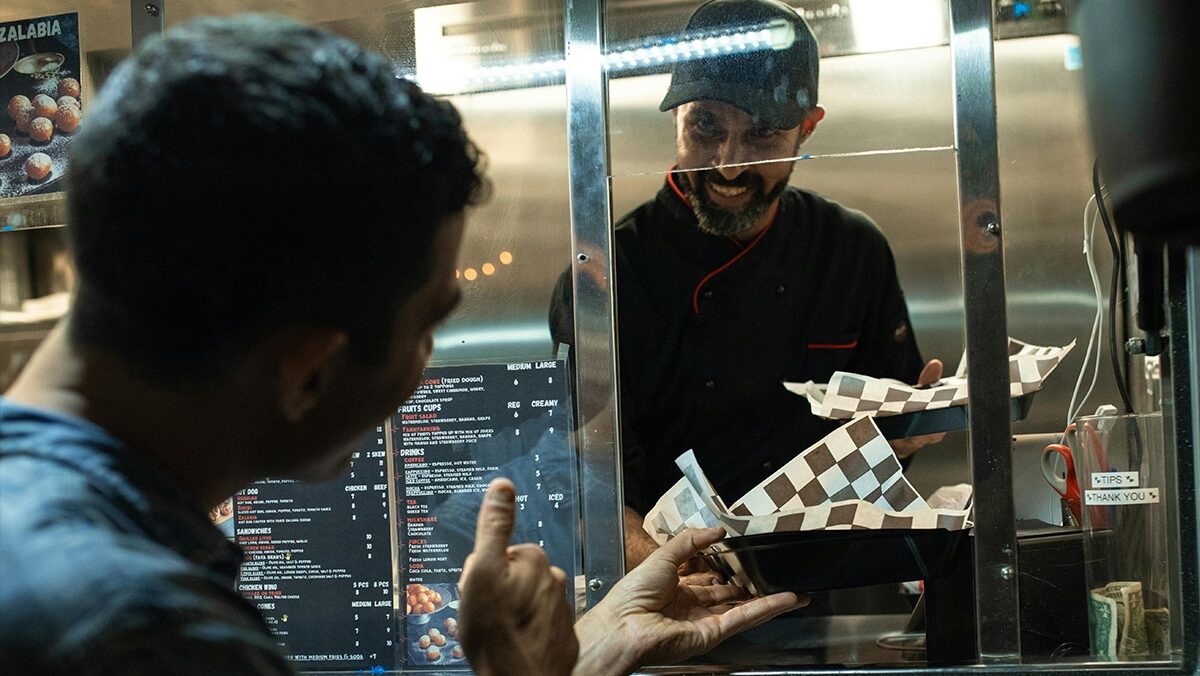
Food trucks in Saudi are now facing a strict midnight curfew, which is expected to bring major changes to the local street food culture. The new rule, enforced by local authorities, limits all food truck operations across several cities, including Riyadh, Jeddah, and Dammam, to close no later than 12:00 AM.
This new development has sparked conversations across the Kingdom, especially among young entrepreneurs, food lovers, and late-night workers who heavily rely on food trucks for their meals. The impact of this policy is not just limited to business hours but also affects income, customer reach, and the overall food truck experience in Saudi Arabia.
Why the Curfew Was Introduced
The curfew decision was reportedly made in the interest of public order, cleanliness, and safety. Authorities have stated that food trucks operating late at night were creating traffic congestion, noise issues, and problems with waste disposal in certain areas.
While the intention is to maintain a clean and peaceful environment, many food truck operators feel the regulation is too strict. “We understand the need for cleanliness and order,” said Khalid Al-Mutairi, a food truck owner in Riyadh. “But most of our business happens between 10 PM and 2 AM. Closing at midnight means losing our busiest hours.”
Food Truck Owners Express Concerns
Food trucks in Saudi have become a popular trend, especially among youth who see them as a low-cost, high-potential business. With minimal startup investment compared to restaurants, many young Saudis entered the food truck industry as a way to become financially independent and creative entrepreneurs.
Now, with the midnight curfew, several of them are struggling to adjust.
“I make about 60% of my daily earnings after midnight,” shared Fatima Abdullah, who runs a dessert truck in Jeddah. “Weekends used to be packed. But now customers leave early or don’t come at all.”
Some truck owners also worry about job losses. Many trucks employ part-time workers who rely on night shifts to make money. With reduced hours, the need for extra staff is declining, which is hitting household incomes hard.
Impact on Customers and Youth Culture
Late-night food trucks in Saudi have been more than just places to eat. They became social spots where people, especially the youth, gathered after long days or after evening prayers. For many, food trucks offered a lively, affordable, and outdoor eating experience compared to indoor cafés and restaurants.
The midnight curfew, however, has dimmed that energy. “It’s not just about food,” said Noor, a university student in Dammam. “It’s about the vibe, meeting friends, and enjoying the night. Now, the streets are quiet by 12:30.”
Customers working night shifts, like delivery drivers, security guards, and emergency workers, also find it difficult. Many of them depended on food trucks for quick meals when regular restaurants were closed.
Effect on Tourism and Local Economy
Saudi Arabia has been actively promoting its tourism sector as part of Vision 2030. In cities like Riyadh and Al Khobar, food trucks are often found near tourist attractions, offering international cuisines and local flavors.
Now, with a curfew in place, tourists and late-night explorers may find fewer food options and limited local interaction at night. Some business owners worry that this could negatively affect tourism experiences, especially for those expecting vibrant nightlife.
Moreover, the restriction may reduce the overall income generated by food trucks, which collectively contribute millions to the local economy every year.
Possible Alternatives and Adjustments
Many food truck operators and customers are now hoping for flexible solutions. Some suggested designated zones where food trucks can operate till 2 AM with proper waste and noise control. Others believe a special weekend license system can help balance business interests with public concerns.
Entrepreneurs are also exploring digital alternatives. Some trucks are shifting focus to online orders and partnering with delivery platforms to stay afloat during off-hours. However, this model doesn’t fully replace the walk-in crowd that made up the core of their business.

Government Response and Future Outlook
Local municipalities have responded by stating that the curfew is under review and may be adjusted based on compliance and feedback. Officials encourage food truck owners to engage through legal channels and submit petitions if they believe the rule impacts their livelihood unfairly.
In the meantime, training sessions on hygiene, waste disposal, and public conduct are being offered to food truck operators to help them align with city policies. Many believe that better management practices could lead to more relaxed rules in the future.
Final Thoughts
Food trucks in Saudi have become a symbol of youth energy, entrepreneurial drive, and modern street culture. The new midnight curfew, while aimed at improving public order, has raised valid concerns among business owners, employees, and customers.
Finding a balance between regulation and growth is the need of the hour. As the country continues its journey of transformation, flexible and inclusive policies could help sustain the thriving food truck culture that so many Saudis and tourists have come to enjoy.
Do follow Gulf Magazine on Instagram
Also Read – UAE Desert Safaris: Shocking Summer Changes You Must Know

