


Gulf Food Imports are under the spotlight as new data reveals that an astonishing 45% of food imported by Gulf Cooperation Council (GCC) nations such as Saudi Arabia, UAE, Kuwait, Bahrain, Oman, and Qatar comes from just three countries. This heavy reliance on a limited number of exporters has raised questions about food security, supply chain resilience, and long-term sustainability.
This revelation comes at a time when global food trade is becoming more volatile due to climate change, political instability, and shipping disruptions. For Gulf countries that already import up to 90% of their food, this over dependence poses both strategic and economic risks.
The Top Three Suppliers Dominating Gulf Food Imports
The three major countries accounting for nearly half of Gulf food imports are:
- India
- Brazil
- Australia
These countries provide a range of essential food products including rice, poultry, grains, meat, dairy, and fruits.
- India leads with rice, pulses, vegetables, and spices.
- Brazil dominates poultry and meat exports to the region.
- Australia contributes significantly with livestock, dairy, and wheat.
Though the Gulf’s climate limits its ability to grow food domestically, relying on just a few trade partners makes the region highly vulnerable to external shocks.

Why This Heavy Reliance Is a Concern
The concentration of Gulf food imports from only three countries presents several major risks:
1. Supply Chain Disruption Risk
If any of these three countries experience natural disasters, geopolitical issues, or pandemics, food shipments to the Gulf could be delayed or halted. For instance, if India experiences drought or export bans, rice prices in Gulf supermarkets could surge.
2. Price Volatility
Global market conditions or policy changes in these nations can directly affect food prices in the Gulf. For example, if Brazil raises export tariffs, Gulf countries may need to pay more for essential protein sources.
3. Strategic Dependence
Relying heavily on limited trade partners gives those suppliers bargaining power. This weakens the Gulf’s ability to negotiate better prices or diversify food sources swiftly during emergencies.
Food Security: A Growing Priority in the Gulf
Recognizing these dangers, several Gulf countries have started taking steps to address the imbalance in Gulf food imports:
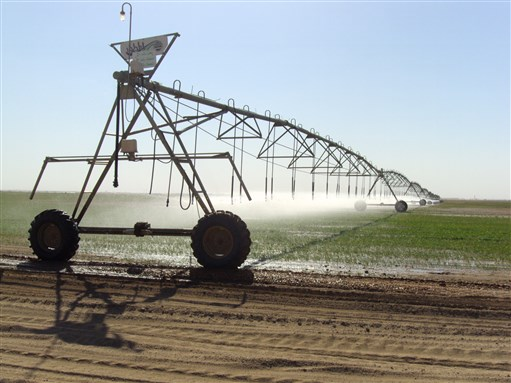
- Saudi Arabia is investing in local farming using hydroponics and advanced irrigation systems.
- UAE launched the Food Security Strategy 2051, aiming to be among the top 10 food-secure nations.
- Qatar increased domestic food production by over 30% since the 2017 blockade, particularly in poultry and dairy.
Despite these efforts, the region still remains highly import-dependent due to harsh climatic conditions, limited freshwater resources, and arable land shortages.
How the Gulf Can Reduce Food Import Risks
To reduce risks associated with Gulf food imports, experts suggest a multi-layered approach:
1. Diversifying Trade Partners
Expanding import networks to include African, European, and Southeast Asian countries can spread the risk and stabilize prices.
2. Investing in Agri-Tech
Technology-driven farming solutions like vertical farming, aquaponics, and climate-resilient crops can help boost local production without requiring much land or water.
3. Overseas Agricultural Investment
Countries like Saudi Arabia and UAE are buying farmland in Sudan, Egypt, and Central Asia to grow food for domestic consumption.
4. Strategic Food Reserves
Building long-term food storage and cold chain logistics can ensure supplies during global disruptions.
Consumer Impact in the Gulf
The average consumer may already be feeling the effects of this reliance on limited sources:
- Rising rice and meat prices due to global shipping issues.
- Availability gaps in supermarket shelves during export bans.
- Price competition driving local brands to source lower-quality goods.
As Gulf food imports remain concentrated, any shock in the supply chain translates quickly to changes in the local market, directly impacting the cost of living.
Looking Ahead: The Urgency of Reform
With 45% of Gulf food imports coming from only three countries, the region is now more aware than ever of the fragile thread holding together its food system. Policymakers are being urged to accelerate reforms, invest in self-sufficiency, and reduce the risk of external shocks.
The lesson is clear: economic prosperity and national security are closely tied to food availability. For the Gulf, diversifying food sources and building resilient agricultural ecosystems is not just smart policy it’s a necessity.
Final Thoughts
The surprising revelation that nearly half of Gulf food imports depend on just three countries is both a warning and an opportunity. It shines a light on hidden vulnerabilities while also encouraging innovation and cooperation.
By rethinking its food systems, the Gulf can not only shield itself from future disruptions but also lead the way in sustainable agriculture in arid environments.
Do follow Gulf Magazine on Instagram
Also Read – Smart Cold Chain Systems Dramatically Boost 70% Gulf Food Transport

