

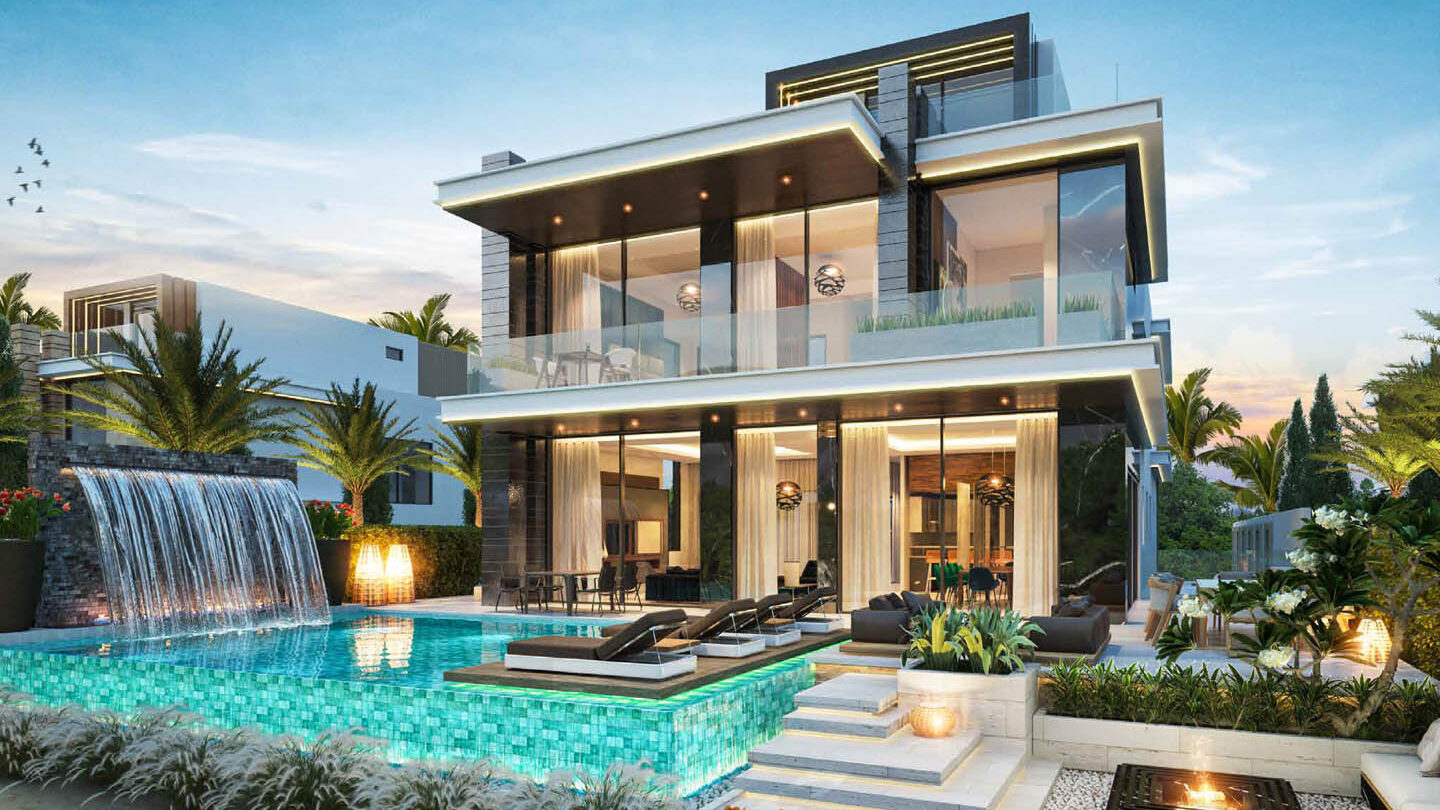
Luxury living now dominates 70% of new housing in Gulf lifestyle zones, showing a dramatic shift in how residential spaces are being designed, marketed, and occupied across the region. From Qatar’s Lu sail City to Dubai’s Palm Jumeirah, high-end living is becoming the new normal. This growth reflects both the rising expectations of residents and the Gulf governments’ efforts to elevate their cities into world-class living destinations.
Developers are now prioritising spacious layouts, advanced technology, scenic locations, and exclusive amenities as part of their core offerings. The move towards luxury living in Gulf lifestyle zones is not just about style it is about redefining the standards of comfort, status, and urban planning.
The Rise of Gulf Lifestyle Zones
In the last decade, Gulf nations have launched multiple urban mega-projects known as lifestyle zones. These include artificial islands, gated communities, smart cities, and eco-conscious developments. These zones are designed to offer a complete living experience, with everything from international schools and hospitals to shopping districts and waterfront views.
Luxury living now dominates 70% of the new housing in these lifestyle zones, according to real estate developers and policy advisors. This change is influenced by increasing foreign investments, the rise of ultra-high-net-worth individuals (UHNWIs), and national visions to attract global talent and tourists.
Cities such as Dubai, Riyadh, Doha, and Abu Dhabi are competing to create the most exclusive communities. Many new homes feature smart automation systems, private pools, rooftop gardens, and high-end interior finishes.
What Is Fueling the Luxury Boom?
Several factors are contributing to this dramatic surge in luxury housing:
1. Government Initiatives: Gulf countries have been investing heavily in urban transformation as part of their economic diversification goals. Projects like Saudi Arabia’s Vision 2030 and Qatar National Vision 2030 are driving luxury real estate development. These projects aim to attract wealthy expatriates, business leaders, and digital nomads.
2. Foreign Investment and Residency: Policies that offer long-term residency to property buyers have opened the market to international investors. As a result, demand for premium real estate has risen significantly, especially in lifestyle zones designed for expats.
3. Post-Pandemic Preferences: Since the COVID-19 pandemic, people now prefer more spacious and comfortable homes with built-in workspaces and wellness areas. The concept of home has expanded to include luxury, leisure, and lifestyle, not just shelter.
4. Tourism and Global Branding: Gulf cities are branding themselves as luxury lifestyle capitals. Events like Formula 1 races, global sports tournaments, and cultural festivals create an image of opulence, attracting wealthy buyers and renters.
Who Is Buying These Luxury Homes?
The demand is being driven by a mix of local elites, wealthy expatriates, and international buyers from Europe, Asia, and North America. The majority are investors looking to capitalize on the Gulf’s booming housing market and high rental yields.
Interestingly, a growing number of young entrepreneurs and influencers are also purchasing homes in these zones. Many prefer waterfront villas, penthouses, or branded residences within hotel complexes.
In Qatar’s Pearl Island, for example, the average price for a luxury apartment has increased by 15% in just two years. In Dubai’s Jumeirah Bay Island, properties are being sold for over $1,000 per square foot, making it one of the most expensive neighbourhoods in the world.
Amenities and Features That Define Gulf Luxury
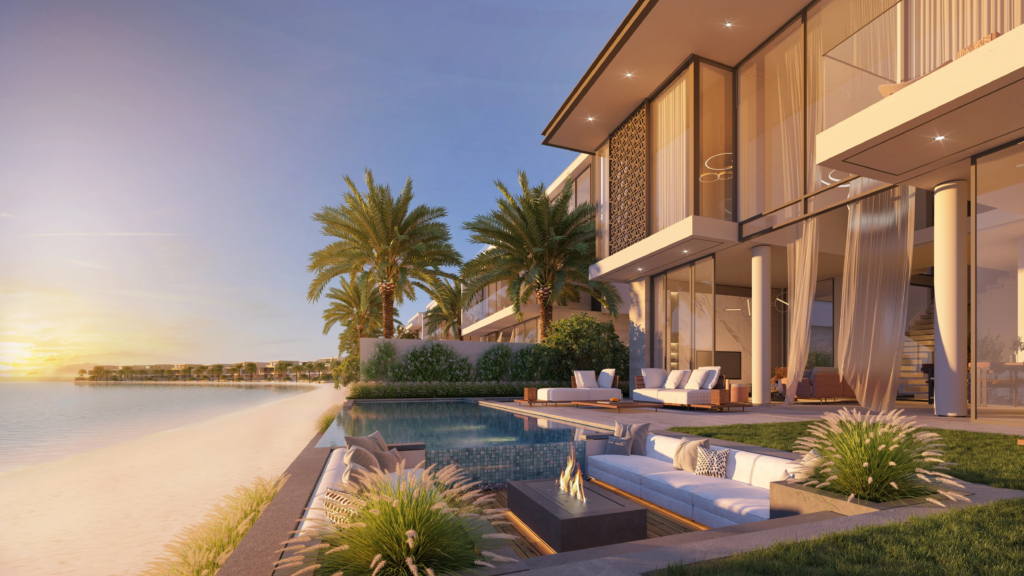
Luxury living now dominates 70% of housing in these Gulf lifestyle zones due to a sharp focus on exclusive features such as:
- 24/7 concierge and security services
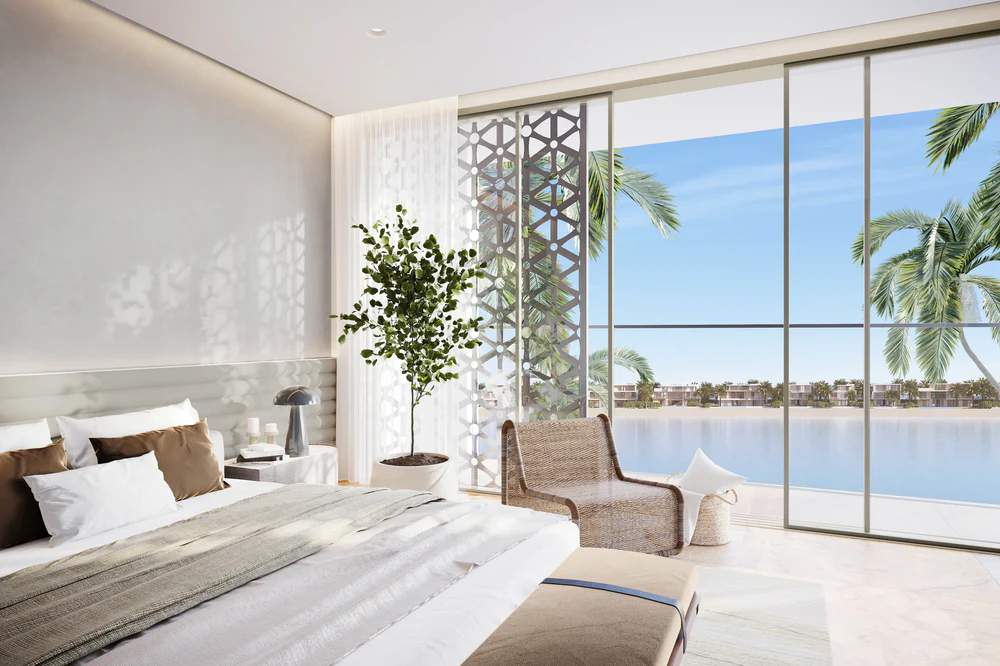
- High-end interior design with Italian marble, smart lighting, and walk-in closets
- Wellness zones with spas, saunas, gyms, and meditation spaces
- Private access to beaches, golf courses, or marinas
- Rooftop infinity pools and panoramic views
Developers also incorporate sustainability features, including solar energy systems, water recycling, and energy-efficient appliances.
Impact on Middle-Income Buyers
While luxury real estate is booming, concerns are rising about affordability for middle-income families. As luxury living now dominates 70% of new housing in Gulf lifestyle zones, it is reducing the availability of mid-range housing options. Urban planners are now being urged to maintain a balanced housing market that serves all economic groups.
Governments are exploring strategies like zoning laws and subsidised housing initiatives to ensure inclusive. However, the dominant trend continues to favour the upper-income market segment.
Future Outlook: Is Luxury Here to Stay?
Experts believe the luxury housing trend will continue to grow, especially in lifestyle zones. With the Gulf’s strategic focus on attracting digital talent, global business owners, and tourists, the demand for upscale living will stay strong. Moreover, as competition between Gulf cities increases, developers will likely push the boundaries of luxury further.
Upcoming projects such as NEOM in Saudi Arabia and the next phases of Lusail in Qatar will further reshape luxury living standards. These zones aim to provide futuristic living experiences with integrated AI systems, sustainability-first architecture, and hyper-connectivity.
Final Thoughts
Luxury living now dominates 70% of new housing in Gulf lifestyle zones, representing a major shift in urban development priorities. While this brings innovation, global recognition, and investment, it also demands a careful balance between opulence and inclusivity.
Whether this trend will create more social division or inspire further urban excellence depends on how governments and developers respond to changing demands. One thing is certain the Gulf is setting a new global benchmark for luxurious, lifestyle-eccentric housing.
Do follow Gulf Magazine on Instagram
Also Read – Shocking 45% of Gulf Food Imports Rely on 3 Countries

