

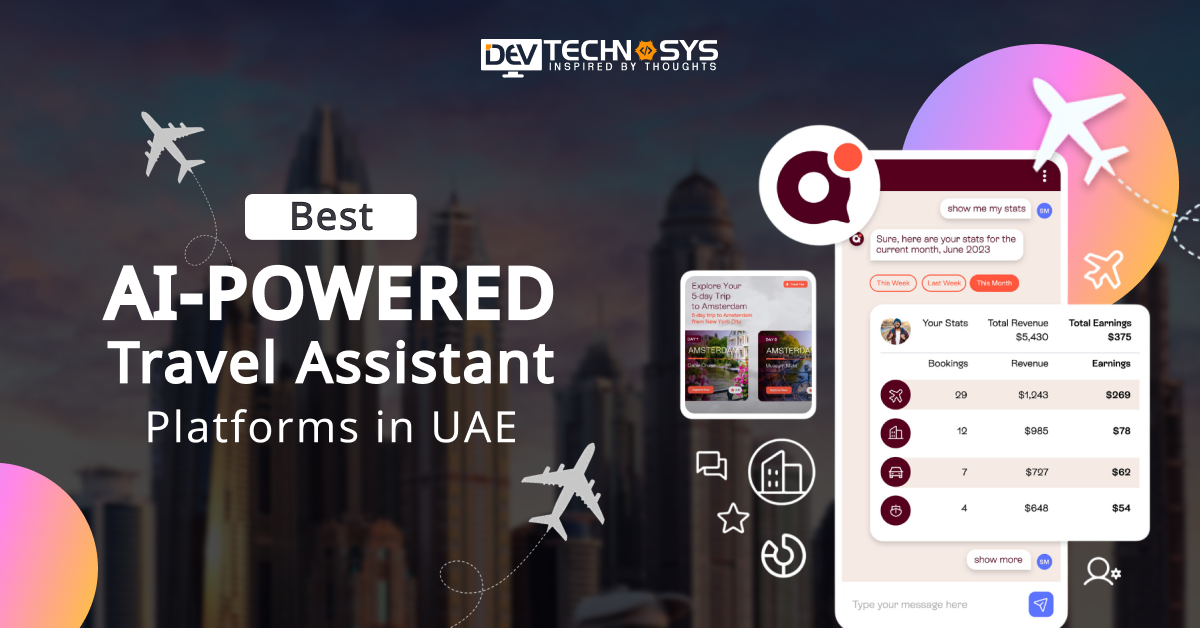
Smart travel platforms handle 70 percent of Gulf bookings with AI features, revolutionising how people in the Middle East travel. These digital platforms are not only fast and accessible but also intelligent using machine learning, real time analytics, and personification to enhance user experience. From trip planning to real time itinerary changes, artificial intelligence is now the engine behind most Gulf travellers’ decisions.
The Gulf region, especially countries like the UAE, Saudi Arabia, and Qatar, has seen a sharp rise in digital travel services. The post pandemic recovery and rising demand for contactless, fast, and safe travel options have driven this change. In 2025, smart travel platforms have officially taken over a massive 70 percent share of all travel bookings in the region.
Why Gulf Travelers Prefer Smart Travel Platforms
There are several reasons why smart travel platforms handle 70 percent of Gulf bookings with AI features. One key reason is convenience. With AI driven apps, travelers receive instant suggestions, cheaper deals, and real time updates. These platforms can remember user preferences, automatically apply loyalty points, and suggest ideal destinations based on budget and behavior.
For Gulf citizens and residents, who often travel for business, leisure, and religious pilgrimages, this tech saves time and improves accuracy. Rather than calling a travel agent or visiting offices, users can plan full trips with a few clicks. The AI ensures nothing is missed from visa alerts to weather based rescheduling.
How AI Features Are Changing the Game
Smart travel platforms handle 70 percent of Gulf bookings with AI features by offering several intelligent tools
- Personalised Recommendations AI reviews previous trips, likes, and user ratings to suggest hotels, flights, and experiences tailored to individual travellers
- Real Time Flight Monitoring AI algorithms track thousands of flights and adjust bookings or notify users when changes occur
- Dynamic Pricing Tools Machine learning monitors airfare and hotel price trends, helping users book at the lowest cost
- Voice Assistance and Chat bots Many Gulf platforms now have AI chat support 24 7 in Arabic and English, reducing the need for human agents
These features are a major reason why smart travel platforms handle 70 percent of Gulf bookings with AI features.
Leading Platforms Dominating the Gulf Market
Among the top platforms leading this shift in the Gulf are Almoner Saudi Arabia, Rehlat Kuwait, Wego UAE, and global players like Booking com and Expedia, which have enhanced their Arabic language offerings. These platforms have reported record growth in user activity in the last 12 months.
Wego’s spokesperson revealed that over 60 percent of their bookings in the UAE are now done via AI powered suggestions. Reheat reported a 40 percent increase in app usage after launching an AI driven Smart Itinerary tool that recommends the most efficient and budget friendly travel routes.
Impact on Traditional Travel Agencies
While digital platforms grow, traditional travel agencies are seeing a slowdown. Many local agencies across the Gulf are now shifting to hybrid models using both human agents and AI chat tools. Those who fail to adopt AI tools are struggling to retain clients.
Travel experts agree that while human consultants are still preferred for luxury or complex packages, most people now prefer AI driven platforms for daily travel needs. It is faster, often cheaper, and gives more control to the traveller.

Challenges and Privacy Concerns
Although smart travel platforms handle 70 percent of Gulf bookings with AI features, there are concerns too. Users have raised questions about how their data is stored, especially when platforms use facial recognition or collect bio metric details. Governments are now introducing AI regulations to protect user rights.
In Saudi Arabia and the UAE, national digital authorities are closely monitoring AI use in travel platforms, ensuring compliance with data protection laws. Most platforms in the region now highlight transparent privacy policies and offer opt out features for AI based tracking.
Future of AI in Gulf Travel Industry
As smart travel platforms handle 70 percent of Gulf bookings with AI features today, experts predict that number will reach 85 percent by 2027. Newer innovations such as predictive travel planning, virtual assistants, and voice controlled travel dashboards are in development. Gulf airports and airlines are also integrating AI to improve boarding times, customer service, and lost luggage management.
Qatar Airways, for instance, recently launched an AI concierge feature in its app, which can reboot flights automatically during delays and recommend alternative travel plans in real time.
Government Support Driving Digital Adoption
Gulf governments have supported digital transformation across sectors including tourism. The UAE’s Smart Government initiative and Saudi Arabia’s Vision 2030 have created a tech friendly ecosystem, encouraging both startups and large companies to innovate. This backing is one reason smart travel platforms handle 70 percent of Gulf bookings with AI features now.
Public private partnerships are also playing a big role. In Dubai, smart travel kiosks with AI booking agents have been launched at malls and airports, blending offline presence with digital intelligence.
Final Thoughts
Smart travel platforms handle 70 percent of Gulf bookings with AI features, proving that the future of travel in the Middle East is digital, fast, and intelligent. As users demand faster, cheaper, and more reliable services, AI is helping platforms meet and exceed expectations.
For Gulf travellers, the message is clear your next trip will likely begin with an algorithm, not a brochure. The combination of convenience, customisation, and real time control makes AI powered travel the new standard in the region.
Do follow Gulf Magazine on Instagram
Also Read – Bold Travel Trends Are Redefining Gulf Tourism Demand by 45%

