

Lifestyle Drugs Market Booming – This trend is no longer just an observation; it’s a global reality. As the world focuses more on self-care, physical appearance, mental wellness, and enhanced quality of life, the demand for lifestyle-related pharmaceuticals is witnessing unprecedented growth. From 2025 to 2032, this market is expected to expand rapidly, driven by social change, technological advancements, rising disposable incomes, and aging populations.
What Are Lifestyle Drugs?
Lifestyle drugs refer to medications that improve a person’s quality of life rather than treat a disease. These include drugs for hair loss, erectile dysfunction, weight loss, cognitive enhancement, anti-aging, skin brightening, and more. They are generally consumed by individuals who seek enhancement rather than cure.
Traditionally seen as optional, these drugs have now found their place in mainstream healthcare, especially in urban and middle-income segments. With growing awareness, many consumers are now openly embracing these treatments.
Market Outlook 2025–2032
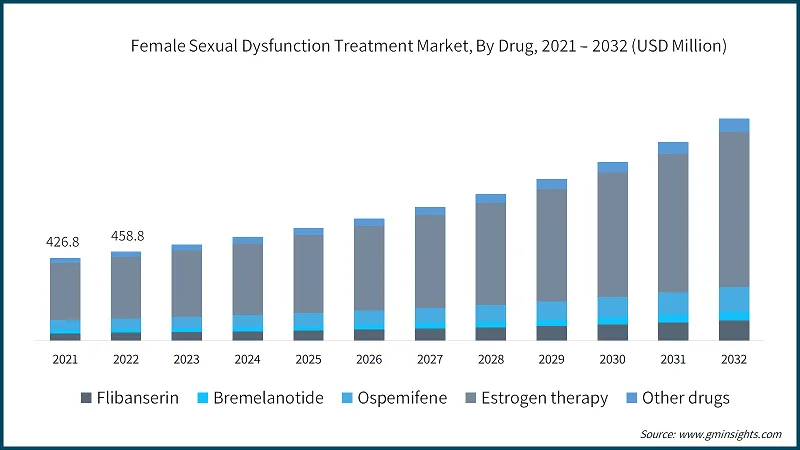
According to industry forecasts, the lifestyle drugs market is expected to grow at a compound annual growth rate (CAGR) of over 8.5% during the 2025–2032 period. This boom is attributed to several key drivers:
- Rising health consciousness post-pandemic
- Increased emphasis on physical appearance
- Higher prevalence of stress-related disorders
- Surge in sexual health awareness
- Innovations in biotechnology and delivery systems
The lifestyle drugs market booming trend is especially strong in North America, Europe, and parts of Asia-Pacific, with the Middle East and Africa also showing promising growth.
Key Segments Fueling the Growth
1. Sexual Health:
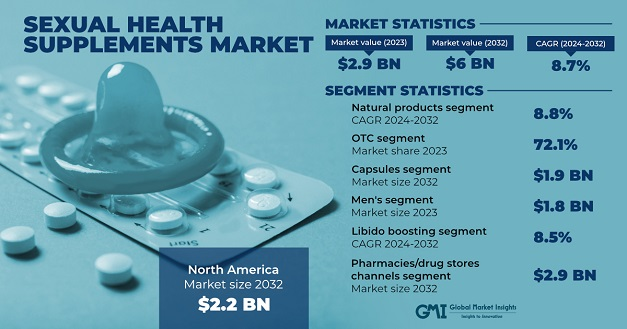
Products targeting erectile dysfunction, libido enhancement, and hormonal balance are leading the lifestyle drug category. The social taboo around such issues is gradually fading, creating space for both men and women to seek pharmaceutical support.
2. Anti-Aging Treatments:
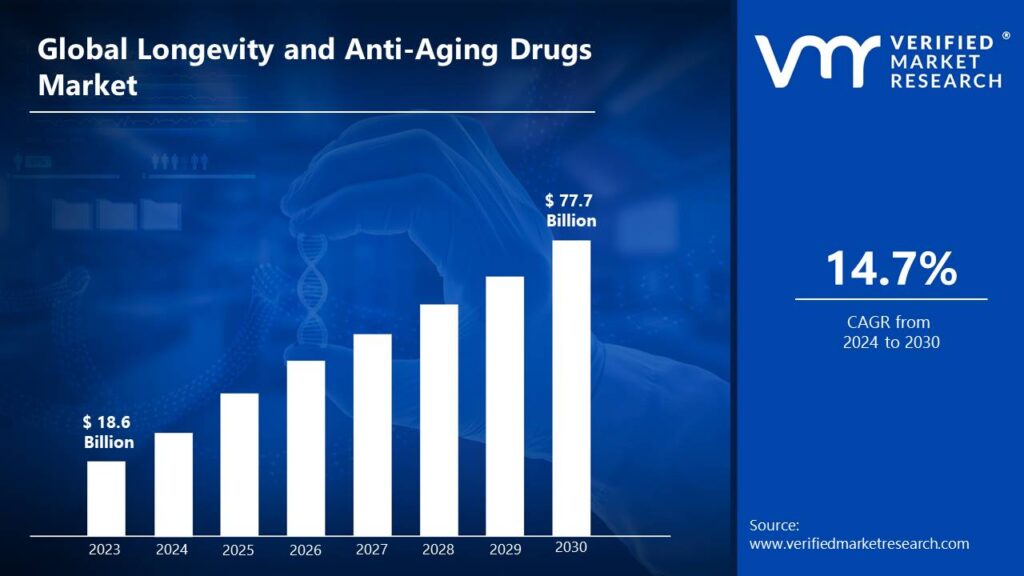
People aged 35–65 are investing more in anti-aging supplements, skin treatments, and hormonal therapies. From anti-wrinkle pills to age-delay injectables, this sub-segment is seeing strong year-on-year growth.
3. Cognitive Enhancers and Stress Relief:
Nootropics, often referred to as smart drugs, are gaining traction among students, professionals, and older adults. As mental health becomes more central to lifestyle choices, drugs that boost concentration, memory, and mood are on the rise.
4. Aesthetic Enhancements:
Oral and topical solutions for hair growth, acne, pigmentation, and body sculpting are now considered part of the wellness package. Non-invasive and over-the-counter options are especially popular.
Who Are the Key Consumers?
- Urban Youth: Influenced by social media and peer pressure, young adults are driving demand for beauty and sexual wellness drugs.
- Middle-Aged Adults: They form the bulk of consumers seeking anti-aging and sexual health treatments.
- Professionals & Students: Cognitive enhancers are highly sought-after by competitive individuals looking for a performance edge.
The Role of E-commerce and Telemedicine
The lifestyle drugs market booming trend has been further accelerated by the rise of online pharmacies and health services. Consumers now have easier, more discreet access to wellness drugs. Platforms offering doorstep delivery, digital consultations, and AI-based health assessments are reshaping the entire buying experience.
Industry Players and Competition
Major pharmaceutical companies and biotech startups are investing heavily in lifestyle drugs. Some of the big names include:
- Pfizer
- Cipla
- GlaxoSmithKline
- Hims & Hers Health
- Revive Therapeutics
Startups focusing on personification, plant-based solutions, and AI-integrated diagnostics are also entering the market with innovative products.
Regulatory Challenges
Despite the optimistic outlook, the lifestyle drug market does face hurdles. Regulatory authorities in various countries are still cautious about classifying and approving certain drugs, especially those that overlap with cosmetic or wellness categories.
Additionally, counterfeit products, improper usage, and the lack of clinical trials in some cases raise safety concerns.
The Future Is Personalized
Looking forward to 2032, personalization will be a major game-changer. Advances in genomics and biotechnology are allowing drug makers to tailor lifestyle medications to individual DNA, lifestyle habits, and even mental health status. Personalized supplements and therapies based on health tracking apps and wearable data are expected to become more common.
Investment Opportunities and Economic Impact
With the lifestyle drugs market booming, there’s massive potential for investors. Venture capitalists are already eyeing wellness startups, biotech innovators, and direct-to-consumer brands. The economic ripple effect includes job creation, increased healthcare spending, and growth in allied industries like wellness tourism and medicine.
Key Statistics and Forecast (2025–2032)
- Market size in 2025: USD 85 billion
- Expected market size by 2032: USD 185 billion
- CAGR: 8.5%
- Top growth regions: North America, India, China, UAE
- Popular drug categories: Sexual wellness (38%), Anti-aging (22%), Cognitive enhancers (15%)
Conclusion
The lifestyle drugs market booming trajectory is not just a trend but a shift in global health behaviour. As society leans more toward self-care, enhancement, and holistic wellness, this market is poised for exponential growth. From anti-ageing therapies to brain boosters and sexual wellness, the market is responding to the modern desire for better living.
Regulatory clarity, ethical marketing, and scientific validation will play key roles in sustaining this boom. As we head toward 2032, the line between lifestyle choice and medical necessity may blur, but the opportunity for innovation, economic expansion, and improved quality of life is crystal clear.
Do follow Gulf Magazine on Instagram
Also Read – Where to Stay in Rayong: 7 Perfect Picks for Every Vibe

