

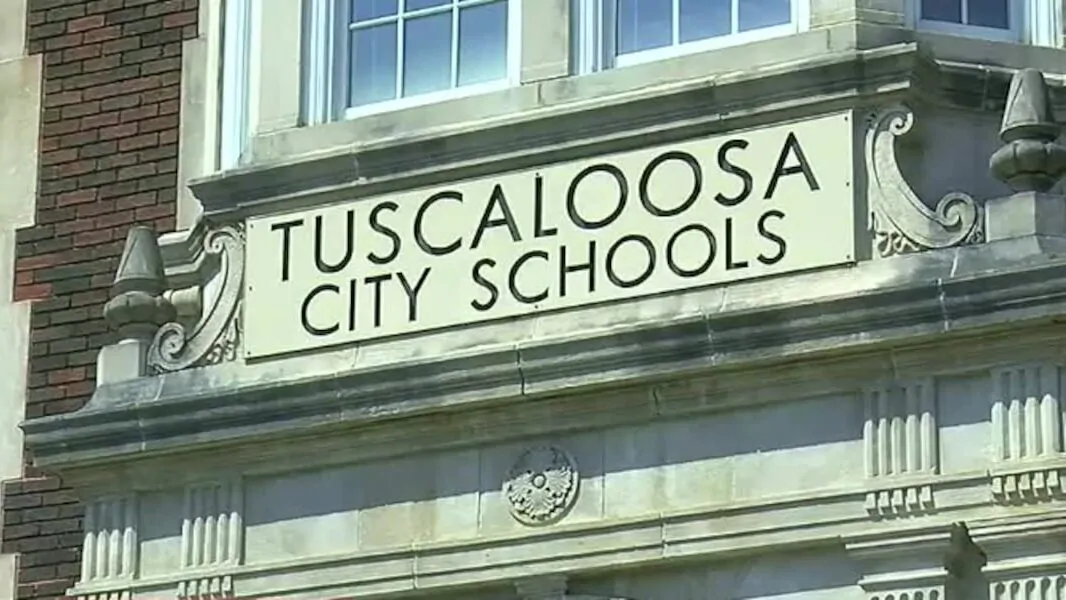
The Tuscaloosa City Board of Education votes to sue state over online sales tax a move that could shake the foundation of how Alabama manages digital revenues. The lawsuit officially approved in a 4 to 3 vote reflects growing frustration over the state’s allocation of online sales tax which the board claims has cost the school system more than $9 million since 2021.
At the heart of this legal battle is Alabama’s distribution formula for Simplified Sellers Use Tax SSUT a tax system implemented in 2015 to ensure online retailers pay sales taxes like brick and mortar stores. The Board argues that the formula diverts much needed funds away from local school systems and into the general state fund.
What Sparked the Lawsuit
The Tuscaloosa City Board of Education votes to sue state over online sales tax because the board believes the current model is unfair. The state collects 8 percent on most online sales through SSUT. Instead of distributing it as traditional local sales taxes which favor cities and schools the state splits it differently 50 percent to the state’s general fund 25 percent to counties and 25 percent to cities.
Schools which typically receive a large share of traditional local sales tax are left out of this equation.
Superintendent Dr Mike Daria said during the meeting “We are losing millions every year that could be going directly to our classrooms staff and student programs It is time we stand up for what is rightfully ours”
The Board emphasised that these funds are essential for classroom supplies student support services mental health programs infrastructure upgrades and maintaining competitive teacher salaries.
Why Now
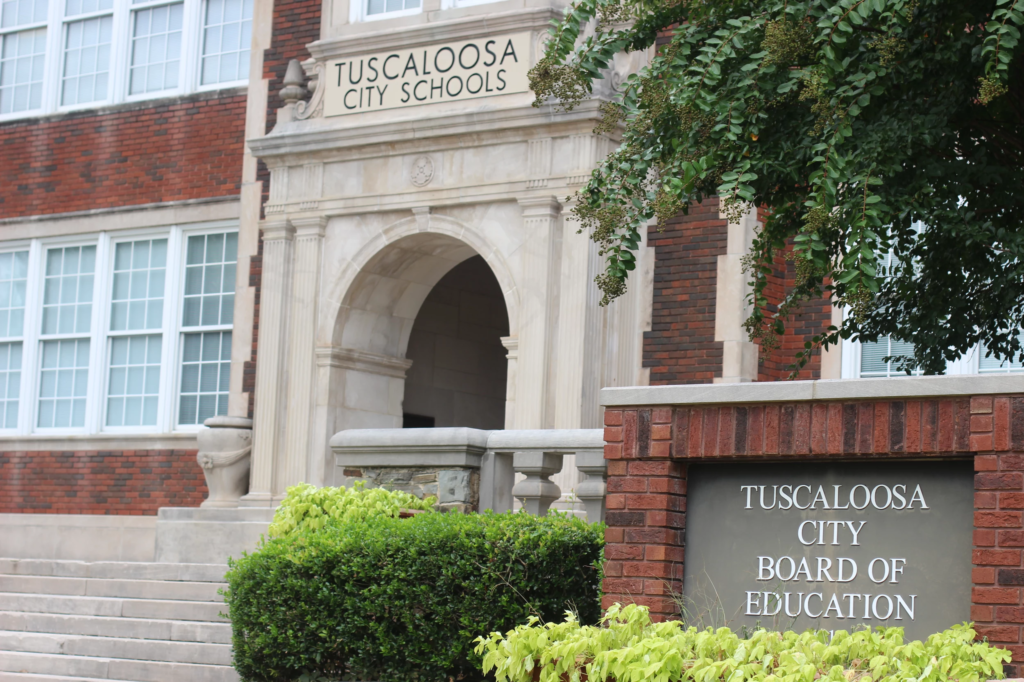
The Tuscaloosa City Board of Education votes to sue state over online sales tax at a time when public schools across Alabama are facing tighter budgets. With inflation rising and operational costs growing losing $9 million in revenue over a few years is more than a pinch it is a crisis.
Board member Dr Lee Garrison who voted in favor of the lawsuit stated “We are not trying to attack the state but this system was never intended to undercut education We have waited we have lobbied and now we are acting”
The board had previously joined coalitions to appeal to lawmakers to reconsider the SSUT distribution formula but no significant changes were made.
Dissenting Opinions
The decision was not unanimous. Board members who voted against the lawsuit raised concerns about the cost risks and effectiveness of litigation. Member Kendra Williams argued that it might strain relations with lawmakers who hold the power to change the policy legislatively.
“I worry that suing the state will make our efforts more difficult rather than bring resolution” Williams said.
Others expressed concern that legal fees could divert attention and money from students something they are trying to avoid in the first place.
However supporters of the lawsuit clarified that outside funding sources or legal assistance from advocacy groups may help support the court case reducing financial risk.
Impact on Other Districts
This decision by the Tuscaloosa City Board of Education to sue state over online sales tax could set a precedent across Alabama. Several school districts have quietly voiced the same frustrations and may follow suit if the case gains traction.
Education advocacy groups in Alabama have long called for reform of SSUT distribution. The lawsuit may give them the momentum they need to push for change at the legislative level.
“If Tuscaloosa can win this others will certainly try” said education policy analyst Robert Tillman “This could be the turning point in how Alabama funds public education in the digital era”
The Legal Grounds
The Tuscaloosa City Board of Education votes to sue state over online sales tax based on the argument that the SSUT model is discriminatory toward schools and may violate state statutes on equitable funding. They plan to challenge the constitutionality and fairness of the tax allocation formula.
Attorneys representing the Board say the lawsuit is not just about money it is about justice and future sustainability. With online sales continuing to grow year after year more of Alabama’s tax base is shifting to digital commerce.
Without reform school districts could permanently lose a significant portion of future funding.
Community Response
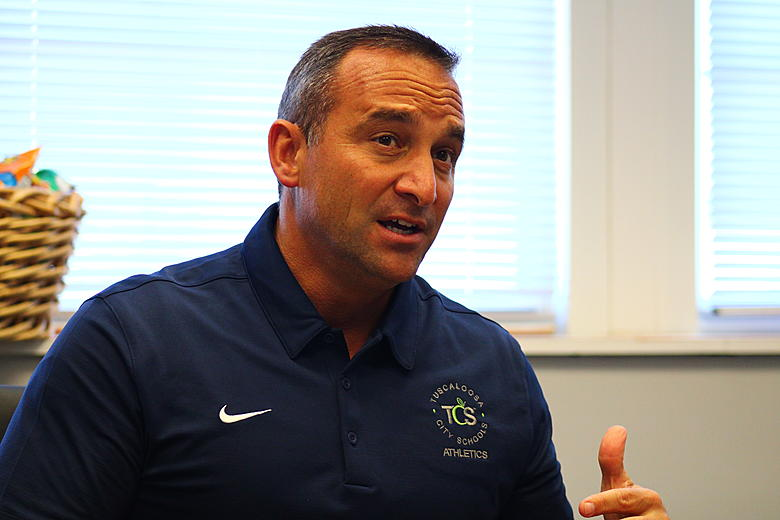
Parents and teachers in the Tuscaloosa community have responded with mixed emotions. While some are concerned about legal conflict many support the Board’s decision.
Angela Harper a mother of two students in the district said “I would rather they fight now than have my children suffer from underfunded schools”
On the other hand local business owner Jamal Rivers worries that lawsuits and policy changes might disrupt the steady flow of online sales.
“It is a complex issue” Rivers said “But schools need money to educate our future workforce so something has to change”
What is Next
The lawsuit is expected to be filed in the coming weeks. Legal experts say the process could take months or even years depending on how the state responds.
In the meantime the Tuscaloosa City Board of Education votes to sue state over online sales tax will continue to gather data public support and possible allies from other school boards.
State legislators have yet to release a formal statement on the lawsuit but the issue is expected to appear in upcoming legislative sessions.
Until then the Board hopes their bold step will at least bring more attention to the revenue gaps schools face in the digital economy.
Do follow Gulf Magazine on Instagram
Also Read – Targeted Weed Control Using AI Cuts Tomato Costs by 70%

