

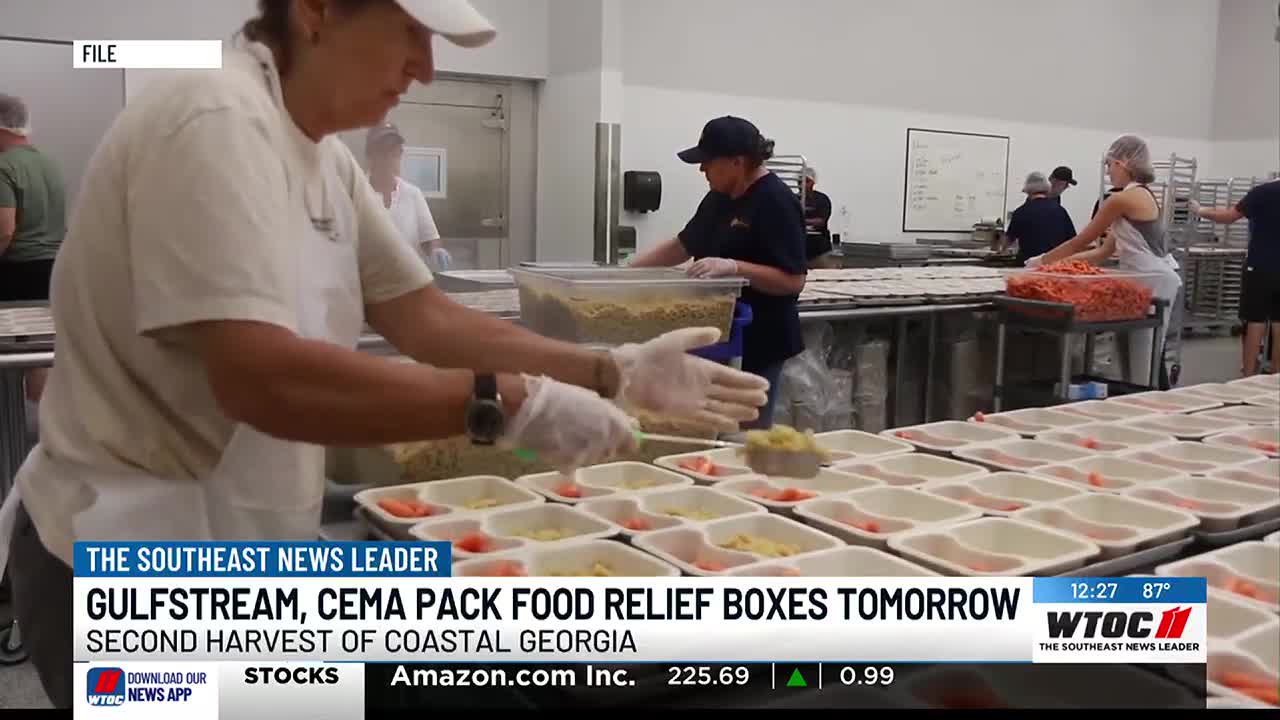
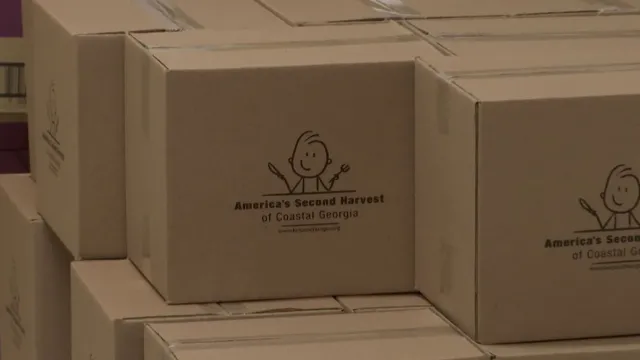
As hurricane season approaches in 2025, Gulf stream, the Chatham Emergency Management Agency (CEMA), and Second Harvest have come together to pack 5,000 disaster relief food boxes. This effort, focused on helping communities survive during emergencies, shows how public and private partnerships can make a powerful impact.
The Gulf stream CEMA Second Harvest disaster relief food boxes were packed with care and urgency, ensuring that families who may be affected by hurricanes or other natural disasters in the Gulf Coast region will have access to essential food supplies when they need them most.
This large-scale initiative took place in Savannah, Georgia, where volunteers and employees joined forces to prepare and organise thousands of food kits designed to be distributed quickly after any disaster strikes.
A community-driven partnership for preparedness
Gulfstream, a world-renowned aircraft manufacturer, joined hands with CEMA and the non-profit Second Harvest of Coastal Georgia to ensure that communities are better prepared this hurricane season. Each organization brought its strengths to the table:
- Gulfstream provided volunteers and logistical support
- CEMA offered emergency planning and coordination
- Second Harvest supplied the food and packaging materials
The result? A smooth, organised operation that produced 5,000 disaster relief food boxes in just a few days.
According to CEMA officials, these boxes will be stored in secure locations and distributed within hours after a hurricane or other emergency. This will ensure that people have access to meals even when grocery stores are closed or supply lines are cut off.
What’s inside each box?
The Gulf stream CEMA Second Harvest disaster relief food boxes are packed with non-perishable items that provide enough nutrition for at least three days. Items typically include:
- Canned vegetables and fruits
- Shelf-stable proteins like tuna and chicken
- Granola bars and cereal
- Peanut butter and crackers
- Bottled water and juice boxes
The aim is to provide balanced meals that are easy to prepare, require no refrigeration, and are suitable for people of all ages, including children and the elderly.
This thoughtful selection ensures that even in the worst conditions, affected individuals and families can maintain their energy and health while waiting for longer-term relief.
Why this matters now more than ever
The Gulf stream CEMA Second Harvest disaster relief food boxes project comes at a crucial time. The National Oceanic and Atmospheric Administration (NOAA) has predicted an above-average hurricane season for 2025. Warmer ocean temperatures and changing climate patterns mean storms may be stronger and more frequent.
Local governments are encouraging families to make emergency plans, but not everyone has the means or knowledge to do so. That’s where initiatives like this one fill a vital gap.
According to Second Harvest, food insecurity rises sharply after natural disasters. Roads may be blocked, electricity may be out, and income sources may be lost for days or weeks. That’s why being proactive with food distribution before disaster strikes is a life-saving move.
Corporate social responsibility at its best
Gulf stream’s role in this initiative is part of its broader commitment to corporate social responsibility (CSR). The company frequently participates in community programs and disaster relief efforts. In this case, hundreds of Gulf stream employees volunteered their time to help pack and organise the food kits.
“This is what being a part of the community means,” said a Gulf stream representative. “It’s not just about building jets it’s about making sure our neighbours are safe, fed, and cared for when they need it most.”
This message aligns perfectly with the values of CEMA and Second Harvest, both of which work year-round to build emergency preparedness into daily life.
Long-term vision for relief and recovery
The Gulf stream CEMA Second Harvest disaster relief food boxes are not a one-time effort. The organisations involved have already started planning for future packing events and long-term food storage solutions. Their goal is to build a year-round stockpile of ready-to-distribute food boxes that can be quickly sent to any part of the coastal region.
CEMA is also investing in improved logistics technology and rapid deployment plans so that these food boxes can reach the hardest-hit areas within 24 hours of a natural disaster. This could dramatically improve the survival and recovery chances for thousands of residents.
How you can help
While the partnership between Gulf stream, CEMA, and Second Harvest is powerful, they are also calling on local communities and volunteers to get involved. There are many ways people can contribute:
- Donating non-perishable food to Second Harvest
- Volunteering during packing events
- Sharing information about emergency preparedness
- Donating funds to support future disaster relief kits
Even small contributions can make a big difference when added to a large-scale effort like this one.
Conclusion: Preparedness saves lives
The Gulf stream CEMA Second Harvest disaster relief food boxes initiative is more than just a packing event it’s a statement of solidarity, preparedness, and community strength. With 5,000 food kits ready to go, thousands of people across the Gulf Coast can breathe a little easier knowing that help is not far away if disaster strikes.
As we enter hurricane season, this proactive approach sets a shining example for how local governments, private companies, and non-profits can work together for the greater good. In emergencies, preparation is everything and these 5,000 food boxes may end up being the difference between hunger and hope.
Do follow Gulf Magazine on Instagram
Also Read – Break Out That Sundress and Party with Gulf State College

