

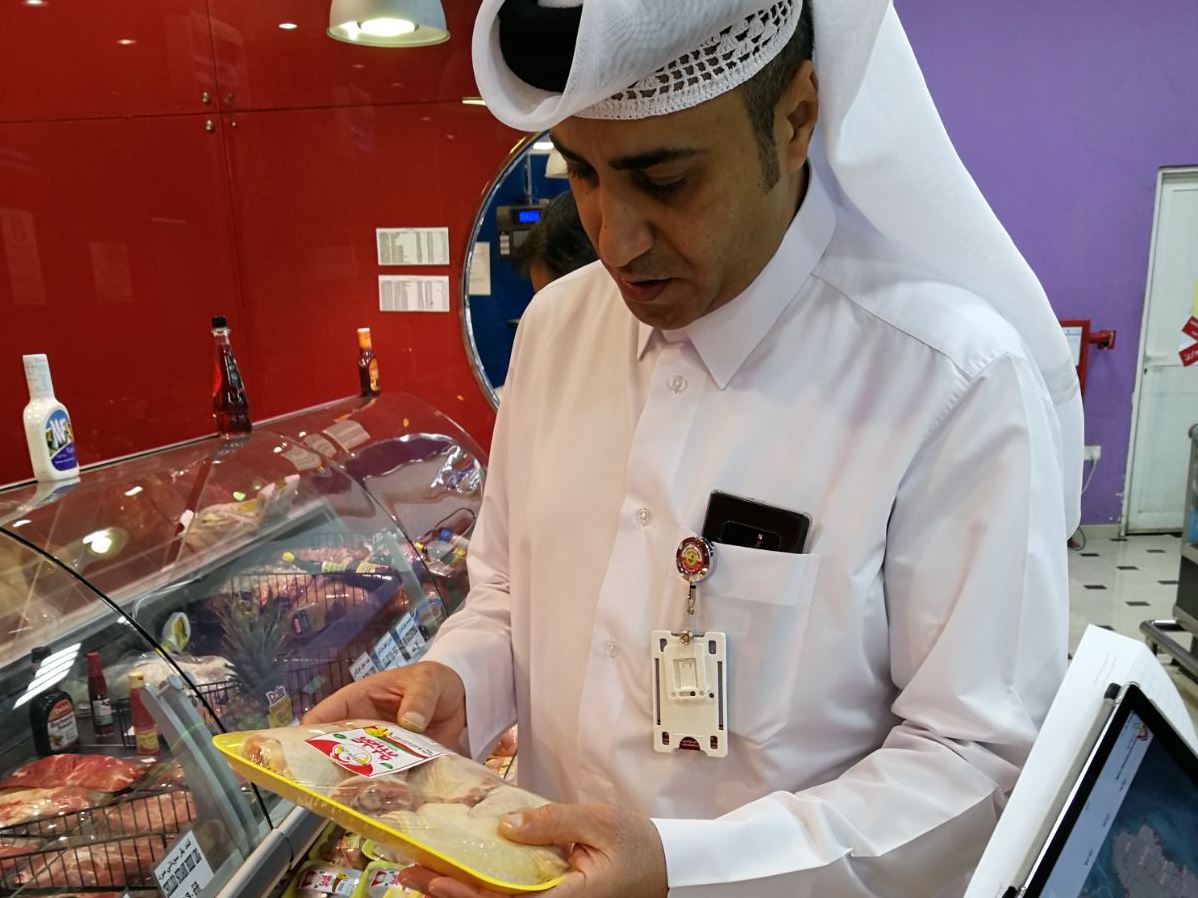
Doha Food Safety efforts have taken a major leap this summer as the municipality responds to rising health risks. With temperatures soaring above 45°C, the Doha Municipality has launched an intensive campaign to ensure food quality, hygiene, and compliance across restaurants, cafes, food trucks, and grocery stores.
The initiative is part of the broader Qatar National Food Safety Program, aiming to protect residents and tourists from foodborne diseases, spoilage, and contamination.
This year, the municipality has taken 7 key steps that are expected to have a positive impact on public health and consumer confidence.
Why Summer Demands Special Attention in Food Safety
Summer in Qatar means extreme heat, which accelerates the growth of bacteria in food. From improperly stored meat to expired dairy products, warm temperatures can turn food toxic within hours.
According to health experts, Doha Food Safety challenges peak between June and September. Increased outdoor dining, more food trucks, and high humidity worsen the situation.
To tackle these risks, Doha Municipality’s Health Monitoring Department has intensified their inspections to reduce health incidents and safeguard food quality.
1. Over 2,000 Inspections in Just Two Weeks
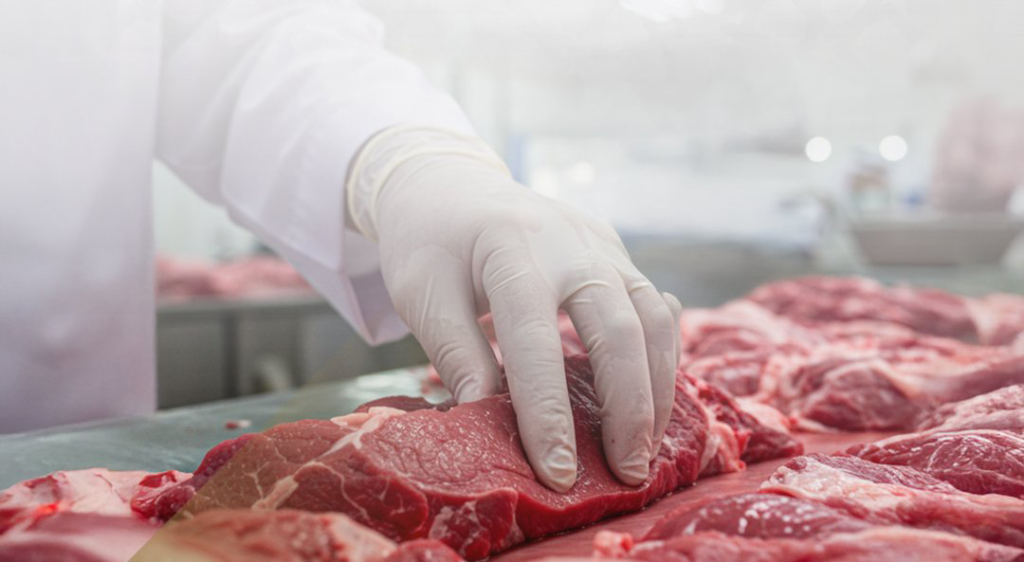
In the first two weeks of July, Doha Municipality conducted more than 2,000 inspections across various food establishments. These included random spot checks, routine assessments, and complaint-based visits.
Inspectors focused on:
- Storage conditions
- Cleanliness of kitchens and work surfaces
- Expiration dates on food items
- Employee hygiene and food handling procedures
Out of the total, over 150 establishments received warnings, while 23 were fined and temporarily shut down due to severe violations.
The high number of inspections reflects how seriously the city is taking Doha Food Safety this year.
2. Surprise Visits to Popular Eateries
To keep things transparent and prevent temporary fixes, the municipality introduced surprise visits to well-known restaurants and food courts.
These inspections help identify hidden issues such as:
- Reuse of cooking oil
- Failure to wear gloves or hairnets
- Rodent or insect presence
- Inadequate refrigeration for raw meats
Many popular food outlets in malls and tourist areas were among those audited, ensuring even premium locations follow food safety protocols.
3. Mandatory Training for Food Handlers
Another powerful move was the introduction of mandatory summer workshops for food workers. Over 500 food handlers have already completed special training in the following areas:
- Personal hygiene
- Cross-contamination prevention
- Correct storage and defrosting techniques
- Waste disposal methods
By raising awareness and improving worker practices, Doha Food Safety becomes not just a policy but a skill embedded in the local food industry.
4. Crackdown on Expired and Rotten Goods
Inspectors reported a surge in expired food items being sold in local groceries and smaller food shops. To prevent this, strict rules are now being enforced.
Key actions include:
- Digital monitoring of expiration dates
- Random sampling of perishable goods
- Legal penalties for selling spoiled or expired products
In one case, a grocery store was found with 47 expired items, leading to immediate closure and a fine of QAR 25,000.
Such cases underscore the urgent need for improved Doha Food Safety practices.
5. Digital Monitoring and Smart Tools
Technology is playing a growing role in this summer’s food safety mission. The municipality is now using smart devices to track storage temperatures and bacterial growth in real time.
Inspectors are equipped with digital thermometers, handheld test kits, and cloud-connected monitoring systems.
These tools help ensure:
- Cold storage is working correctly
- Hot food is held at proper temperatures
- Early detection of contamination
This tech-driven approach adds precision to the Doha Food Safety program.
6. Public Awareness and Consumer Involvement
Doha Municipality has also turned to the public for support. Social media campaigns, mobile alerts, and flyers in supermarkets are helping educate residents on:
- How to check expiration labels
- Signs of food spoilage
- When and how to report violations
A dedicated hotline and online portal are available for consumers to report any suspicious food activity.
This community engagement gives residents more power in the Doha Food Safety movement and increases accountability for food providers.
7. Special Focus on Food Delivery and Cloud Kitchens
With food delivery booming in summer, inspectors have intensified monitoring of cloud kitchens and delivery services.
Common issues flagged include:
- Improper packaging
- Delays causing food temperature drops
- Unsafe transport containers
In response, the municipality has rolled out food safety guidelines for delivery drivers and third-party apps. This ensures that even food consumed at home meets safety standards.
Cloud kitchens must now provide:
- Real-time delivery temperature logs
- Packaging with safety seals
- Regular sanitation records
These new steps mark a big improvement in modern-day Doha Food Safety management.
What Happens When a Violation Is Found?
When inspectors find a food safety violation, the action taken depends on the risk level:
- Minor violations: verbal or written warning and follow-up visit
- Moderate violations: temporary suspension or fine
- Major violations: immediate closure and legal action
Offenders must fix the issue within a deadline and undergo re-inspection before reopening. Repeat offenders may lose their food licenses permanently.
This policy ensures strict compliance while giving businesses a chance to improve.
A Wake-up Call for Food Businesses in Doha
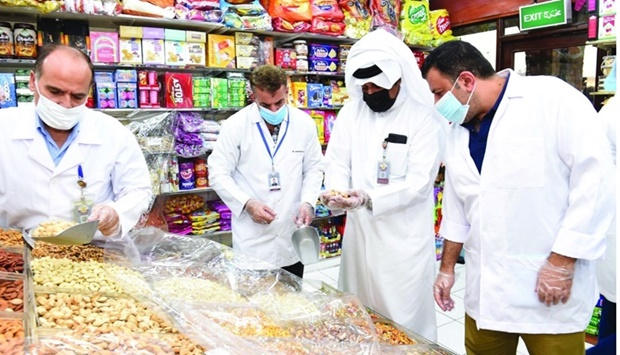
The ongoing Doha Food Safety drive has sent a clear message to food service providers: Quality and hygiene are non-negotiable, especially in summer.
Restaurants, cafes, and groceries are now investing more in:
- Staff training
- Clean kitchen designs
- Refrigeration systems
- Food traceability
Customers have also become more aware and are asking better questions about how their food is made and stored.
This shift is leading to a more transparent and safer food culture across the city.
Doha Municipality’s Message to the Public
In a recent press release, the municipality said:
“We are working around the clock to ensure food safety for every resident and visitor in Doha. These efforts will continue throughout the summer to reduce health risks and build public trust.”
Officials also thanked the community for their support and encouraged continued vigilance when choosing where to eat or buy food.
Final Thoughts
The Doha Food Safety campaign this summer has introduced a strong mix of inspection, education, and technology. With thousands of visits, new rules, and smart tools in place, the risk of foodborne illness is being actively reduced.
For the public, it’s a reminder to stay alert and make safer food choices. For businesses, it’s a signal that only the highest standards will be tolerated.
The success of this campaign could set a benchmark for food safety efforts across the region in the years to come.
Do follow Gulf Magazine on Instagram
Also Read – Qatar-UAE Diplomatic Meeting Leads to 3 Positive Changes

