

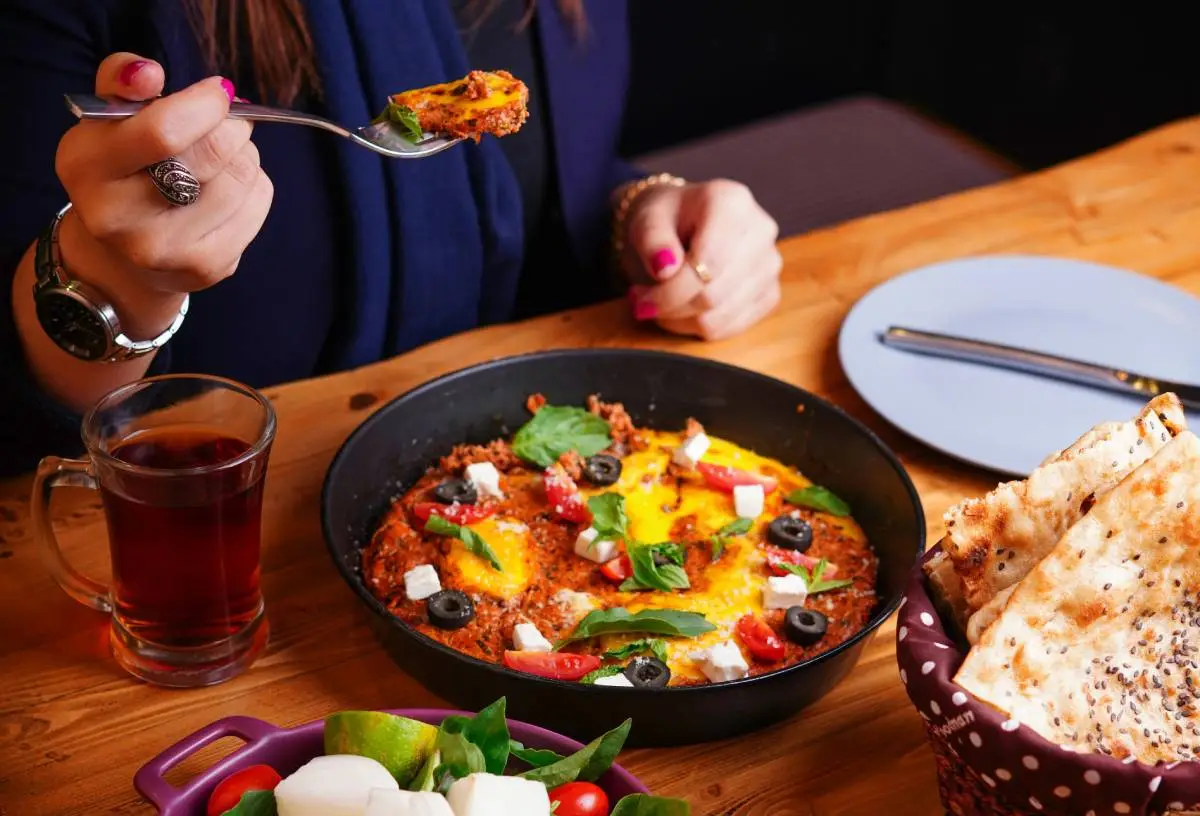
Halal food has long been part of everyday life for millions of Muslims around the world. But today, it’s going beyond just being a religious choice—it’s becoming a luxurious experience. Across cities like Dubai, Riyadh, London, and even New York, a new wave of halal fine dining restaurants is transforming how people view halal cuisine. This growing trend is not only attracting Muslim diners but also food lovers from all backgrounds who want to try something unique, ethical, and flavorful.
From rich Arabian dishes to gourmet French cuisine prepared with halal-certified ingredients, halal fine dining is making its mark on the global culinary scene.
What Does “Halal Fine Dining” Mean?
To understand this movement, we first need to understand what “halal” means. In Arabic, “halal” simply means “permissible” under Islamic law. When it comes to food, this means avoiding certain ingredients like pork and alcohol and ensuring animals are slaughtered in a humane and specific way.
Fine dining, on the other hand, is all about the experience. It means high-quality ingredients, creative dishes, artistic presentation, top-class service, and a refined atmosphere. When you bring halal and fine dining together, you get an exciting mix of tradition and innovation.
It’s not just about making halal food look fancy—it’s about respecting cultural values while delivering a world-class food experience.
A Global Trend That’s Here to Stay
Over the past few years, halal fine dining has grown from a niche market to a major movement. In places like the UAE, Saudi Arabia, and Malaysia—where halal food is already part of everyday life—chefs are now pushing the limits. They are experimenting with fusion cuisine, reinventing traditional dishes, and turning simple ingredients into elegant masterpieces.
Restaurants like Tresind Studio in Dubai, Nozomi in Riyadh, and Marina Social in London are proof that halal fine dining is more than a passing trend. They are gaining recognition for both their flavors and creativity, with menus that feature everything from wagyu beef biryani to halal truffle risotto.
What’s more, many of these restaurants are getting international awards and Michelin mentions, showing that halal food can stand proudly on the world stage.
The Rise of Muslim-Friendly Luxury Experiences
This movement is also part of a bigger trend: luxury brands and services becoming more inclusive for Muslim customers. Just like there are now Muslim-friendly travel packages, modest fashion collections, and halal beauty products, fine dining is catching up too.
For many Muslim diners, eating out has often been a challenge. In non-Muslim-majority countries, it can be hard to find upscale restaurants that offer fully halal menus without alcohol on the table. Now, halal fine dining offers a space where they can enjoy high-end meals without compromising their values.
And it’s not just Muslims who are interested. People who are looking for ethical meat, clean food, or simply curious about other cultures are also embracing the halal fine dining trend.
Creating New Opportunities for Chefs and Entrepreneurs
The popularity of halal fine dining is creating a wave of opportunity in the food industry. Chefs who may have previously worked in traditional French or Italian kitchens are now bringing their skills into halal kitchens.
This shift is allowing young Muslim chefs to be more creative and experimental. They are no longer limited to casual or street food concepts—they can dream big, open luxury restaurants, and compete with top global chefs.
Many halal fine dining restaurants are also focusing on sustainability, organic ingredients, and local produce, which is drawing more attention from health-conscious and eco-aware customers.
In the UAE, for example, fine dining brands are blending Emirati flavors with international techniques. Think camel meat sliders, saffron-infused seafood, or rose water desserts presented like fine art.
Challenges in the Industry
While halal fine dining is growing fast, it also comes with its own challenges. One of the biggest is sourcing high-quality halal-certified ingredients. In some regions, premium halal meats and other specialty items can be difficult to find.
Another issue is changing people’s perception. Some diners still think of halal food as basic or limited in variety. It takes effort and education to show that halal cuisine can be just as diverse, elegant, and exciting as any other food trend.
Then there’s the cost. Fine dining is expensive by nature, and adding halal certifications, staff training, and special preparation processes can increase costs even more. But most restaurant owners agree: the reward is worth the risk.
Social Media’s Role in Boosting the Trend
Social media is playing a huge role in the rise of halal fine dining. Platforms like Instagram, TikTok, and YouTube are filled with videos of beautifully plated halal dishes, fine dining reviews, and behind-the-scenes looks at luxury halal kitchens.
Muslim food bloggers and influencers are also leading the charge. They are helping spread awareness, giving honest reviews, and making halal fine dining more approachable and exciting to a wider audience.
This visibility is especially important for young Muslims who want to feel represented in the world of luxury food. They can now see that halal and high-end can go hand in hand.
What the Future Holds
Halal fine dining is not just a food trend—it’s part of a cultural shift. As more people demand food that reflects their identity, values, and taste for innovation, halal fine dining is in a perfect position to grow.
In the coming years, we’re likely to see more halal restaurants popping up in global cities, more Michelin-level recognition for halal chefs, and more cross-cultural collaborations that bring the best of East and West together on a plate.
We may also see the rise of halal-focused food festivals, chef competitions, and tasting events that celebrate this unique blend of flavor and faith.
Final Thoughts
Halal fine dining is about more than just fancy meals. It’s about offering Muslim diners a space to enjoy luxury food without compromise, while introducing the world to the beauty and variety of halal cuisine. It blends faith, flavor, and finesse in a way that speaks to our global and modern world.
Whether you’re a devout halal eater or simply someone who loves to explore new tastes, halal fine dining is one culinary experience you won’t want to miss.
Do follow Gulf Magazine on Instagram
Also read: 7 Emirati Investors Reshaping the UAE’s Business Landscape

