

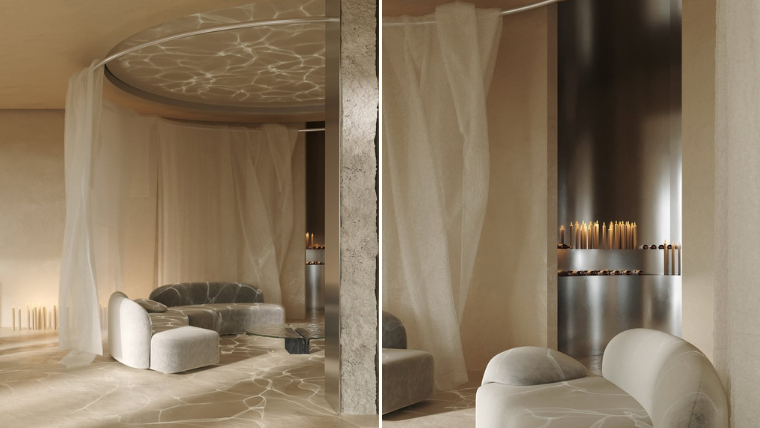
In today’s design world, a bold shift is taking place. Arab interior designers are rising to the global stage, blending their cultural heritage with modern sophistication to redefine how the world experiences beauty in spaces. These visionaries are breaking boundaries, reshaping global aesthetics, and finally getting the recognition they deserve.
The new wave of talent coming from the Middle East and North Africa is no longer just influencing design in the Arab world—they’re making headlines from Milan to Manhattan. Their work is not just decorative. It tells stories. It challenges norms. It speaks of identity, resilience, and a passion for merging tradition with innovation.
Let’s explore how Arab interior designers are changing the rules of global design and why the world is watching.
The Rise of Arab Interior Designers
Over the last decade, Arab countries have seen a creative explosion, especially in the fields of architecture and interior design. Cities like Dubai, Doha, Riyadh, and Beirut have become cultural hubs, producing designers who are blending local traditions with international trends.
With global events like Dubai Design Week, Saudi Design Festival, and Beirut Design Fair, Arab designers have been given a platform to showcase their talent. As more Arab voices enter the world of design, the industry is being exposed to fresh ideas that are deeply rooted in heritage yet highly innovative.
The result? A design language that is rich, elegant, and globally appealing.
Blending Tradition and Innovation
What makes Arab interior designers unique is their ability to blend ancient aesthetics with modern concepts. They pull from centuries-old Islamic art, intricate mosaics, calligraphy, and natural desert-inspired palettes. But they’re not afraid to mix these elements with industrial design, Scandinavian minimalism, or even futuristic materials.
Take, for example, the work of Noura Al Sayeh, a Bahraini architect and interior designer. Her projects feature traditional Arab arches and raw textures, but are laid out with minimalist flair. Or look at Rania Hamed from Egypt, whose global firm blends Pharaonic inspiration with contemporary luxury.
This mix of old and new is not just beautiful—it’s meaningful. It reflects a generation that is proud of its roots but also hungry to innovate.
Female Designers Leading the Charge
In what was once a male-dominated industry, Arab women are now leading the design revolution. From Saudi Arabia to Lebanon, women designers are starting their own firms, getting international clients, and becoming role models for the next generation.
Sumaya Dabbagh, a Saudi architect and interior designer based in Dubai, is known for her poetic spaces that celebrate both femininity and strength. Her recent mosque project in the UAE received international praise for its spiritual minimalism.
Likewise, Nina Mair, originally of Lebanese-Austrian descent, has gained recognition across Europe for her warm and sensual interior work that includes Arab-inspired textures and tones.
These women are not just designing homes or hotels—they’re building cultural bridges.
Sustainability Meets Culture
Another reason the world is taking notice of Arab interior designers is their focus on sustainability rooted in culture. Many designers in the region are now looking back at traditional building methods—like wind towers, mud bricks, and natural ventilation—and reimagining them for the future.
Instead of importing Western green solutions, Arab designers are embracing climate-responsive design that makes sense for desert environments.
Design studios like T.ZED Architects and Studio Toggle are gaining global attention for their eco-conscious work that respects both the environment and the Arab visual identity.
This approach not only protects the planet but also preserves regional identity in a rapidly globalizing world.
Global Brands, Local Souls
International brands and luxury hospitality chains have noticed the magnetic pull of Arab design. They are hiring Arab interior designers to bring authenticity and flair to their spaces in the Middle East and abroad.
For instance, Four Seasons, Marriott, and Bulgari Hotels have all worked with Arab creatives to give their properties a sense of place—whether it’s the delicate mashrabiya screens in a Dubai hotel or the palm-frond textures used in a Moroccan resort.
The message is clear: design that speaks of the land, people, and heritage connects with customers on a deeper level.
The Influence on Global Aesthetics
With social media acting as a powerful tool, Arab interior designers are now reaching global audiences like never before. Their Instagram accounts are filled with inspiration—earthy color palettes, handcrafted details, geometric patterns, and luxurious textures.
This visibility has led to influences showing up in homes, hotels, and galleries across the world.
Design magazines and platforms like Dezeen, Architectural Digest, and Wallpaper now feature Arab designers more frequently. There’s even a growing interest in Arab-led design studios from investors, brands, and design schools worldwide.
In essence, the world is no longer just looking at the West for design trends. It’s also looking East—towards the Arab world.
Challenges Still Exist
Despite the progress, Arab interior designers still face obstacles. Political instability in some regions, limited funding for the arts, and stereotypes about Arab identity remain challenges.
Yet, it is precisely these challenges that fuel the creativity of this new generation. For many, design is more than a profession—it’s a form of expression and resistance.
They are not only decorating rooms—they are changing mindsets.
Notable Names to Watch
If you’re interested in following this movement, here are a few Arab interior designers making waves globally:
- Huda Gharandouqa (Jordan): Known for sleek, sustainable spaces
- Nada Debs (Lebanon): Combines Arab craftsmanship with Japanese minimalism
- Mariam Issa (UAE): Focuses on wellness and emotional design
- Farah AlHumaidhi (Kuwait): A TV personality and creative entrepreneur in interior design
- Faisal Al Malak (Saudi Arabia): Integrates fashion and interiors through a cultural lens
Each of them brings something unique, yet all carry a shared mission: to honor the past while shaping the future.
A New Design Frontier
The new wave of Arab interior designers is more than a trend—it’s a movement. As they gain visibility, collaborate across cultures, and push creative boundaries, they are helping the world see Arab culture through a fresh lens.
Their work invites the global design industry to be more inclusive, more textured, and more human. From luxury hotels in New York to family homes in Amman, their impact is both global and personal.
So, the next time you walk into a beautifully designed space with intricate patterns, warm lighting, and a soul-stirring story, don’t be surprised if it’s the work of an Arab designer.
Do follow Gulf Magazine on Instagram
Also read: Work-from-Home Lifestyle in Kuwait: 7 Major Burnout Risks in 2025

