

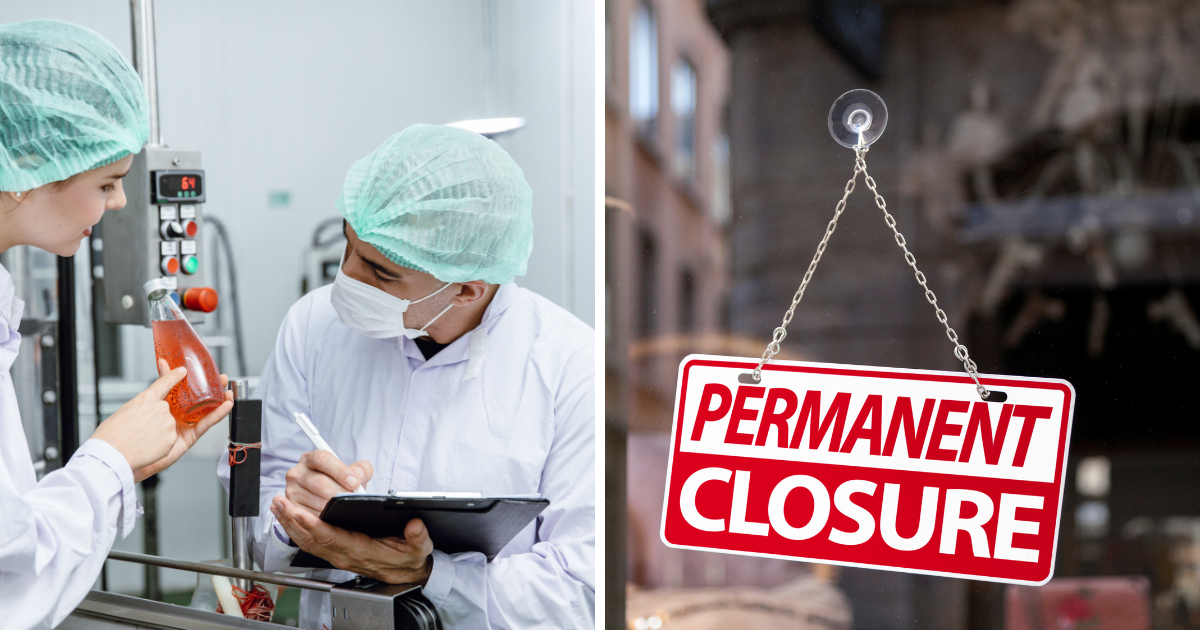
In a decisive move, Saudi authorities have shut down 84 businesses in the capital city of Riyadh due to violations of food safety regulations. This sweeping action reflects the Kingdom’s commitment to ensuring that public health is safeguarded and that citizens and residents alike can trust the quality of food available in markets, restaurants, and shops. The closures serve not only as a corrective measure but also as a warning to other establishments that food safety is non-negotiable.
Why Food Safety Matters More Than Ever
Food safety is not simply a technical matter. It is a cornerstone of public well-being. In today’s fast-paced urban life, people rely heavily on restaurants, grocery stores, and eateries for their daily meals. If the food provided is contaminated or improperly handled, the risk of illness spreads rapidly and affects large numbers of people. Saudi Arabia, like many other nations, recognizes that food safety is directly linked to the health and productivity of its population.
When establishments neglect hygiene standards such as improper storage of ingredients, unhygienic preparation conditions, expired products, or cross-contamination they put customers in danger. By shutting down these 84 businesses, Riyadh is making it clear that public health comes before profit.
The Government’s Zero-Tolerance Approach
Saudi Arabia’s food regulatory bodies have been increasingly active in recent years, conducting inspections, surprise visits, and audits to ensure businesses adhere to health codes. The closures in Riyadh are part of a wider campaign that emphasizes zero tolerance for violations.
Authorities have introduced modern monitoring systems, digital reporting mechanisms, and stricter penalties for non-compliance. This reflects a broader transformation across the Kingdom, where high standards in food quality are becoming a defining feature of its economic and social progress. Businesses that fail to keep up with these expectations find themselves at risk of closure.

Protecting Citizens and Visitors Alike
Riyadh is not only home to millions of citizens and expatriates but also a growing destination for international travelers. With tourism steadily increasing, especially under Saudi Arabia’s Vision 2030 plan, ensuring safe food experiences is critical. Tourists expect high standards, and lapses in food safety can quickly damage the city’s reputation.
By shutting down violators, the government is sending a reassuring message: visitors and residents can feel confident when eating in Riyadh. This aligns with the Kingdom’s vision of becoming a global hub for tourism, commerce, and cultural exchange.
The Message to Business Owners
For business owners, this mass closure is a wake-up call. Food safety is not optional, nor is it a matter to be taken lightly. Entrepreneurs must understand that investing in hygiene practices, training staff, and ensuring proper supply chains are as vital as their business models.
Many small establishments may feel the burden of implementing strict protocols, but in reality, such investments save them from reputational damage, legal trouble, and the eventual loss of their livelihood. The government’s strict enforcement shows that those who fail to meet standards will not be allowed to operate.
Citizens’ Reactions and Relief
The public response to this move has been largely positive. Many citizens expressed relief that authorities are taking food safety seriously. For families, particularly parents concerned about what their children consume, this announcement provides reassurance.
At the same time, it has sparked conversations about personal responsibility. Customers are now more alert about the conditions in which their food is prepared, demanding greater transparency and accountability. Some residents have shared experiences of past foodborne illnesses, highlighting how crucial this enforcement truly is.
Long-Term Benefits of Food Safety Crackdowns
While closures may cause temporary inconvenience for some neighborhoods especially if a local eatery was a favorite spot the long-term benefits far outweigh the short-term disruption. By maintaining high standards across the city, the overall health of the population improves, medical costs associated with foodborne diseases decrease, and consumer trust rises.
In fact, healthier communities contribute to stronger economies. When citizens remain healthy, they are more productive, active, and engaged. Food safety, in this sense, becomes a driver of national progress, not just a health policy.
Role of Technology in Inspections
One remarkable development in Saudi Arabia’s food safety campaign is the use of technology. Digital platforms now allow consumers to file complaints, track inspection results, and check the safety records of businesses. This transparency not only empowers citizens but also compels businesses to uphold their reputation.
Artificial intelligence and smart monitoring tools are also being introduced to track supply chains, ensuring that expired or contaminated goods are flagged quickly. These innovations signal that Saudi Arabia is not relying solely on manpower but is integrating modern solutions to address long-standing problems.
Training and Awareness for Staff
Another key factor in addressing food safety is staff training. In many cases, violations stem from a lack of awareness rather than deliberate neglect. Workers handling food often come from diverse backgrounds and may not be familiar with strict hygiene protocols.
The government has started initiatives that push for training programs, certifications, and awareness campaigns targeting both business owners and employees. By ensuring that those who prepare and serve food are educated about best practices, the Kingdom is laying down a sustainable foundation for future safety.
Impact on Riyadh’s Food Industry
Riyadh is known for its vibrant food culture, with everything from traditional Saudi cuisine to international dishes available across the city. The crackdown on 84 businesses may initially seem like a blow to the food industry, but in reality, it strengthens it.
Consumers gain more confidence, and businesses that maintain high standards find themselves rewarded with loyalty and growth. The competitive market ensures that only the best survive, raising the overall quality of the dining experience in Riyadh.
A Warning for Other Cities
The move in Riyadh also serves as a precedent for other cities across Saudi Arabia. If violations can result in closures in the capital, businesses in Jeddah, Dammam, Mecca, Medina, and beyond know that they are also under watch. This ripple effect encourages nationwide adherence to standards and makes food safety a matter of national pride.
Global Comparisons and Inspiration
Saudi Arabia’s actions echo similar crackdowns seen in developed nations where food safety enforcement is strict. For instance, countries in Europe and North America have long imposed harsh penalties for violations. By aligning itself with global standards, the Kingdom signals its readiness to compete internationally in food quality and service.
Moreover, other countries in the region may view this as a model. Gulf nations often share similar challenges, and Saudi Arabia’s proactive approach could inspire neighboring states to enhance their own inspections and enforcement.
Looking Ahead: A Healthier Future
The closure of 84 businesses is not the end of the story but the beginning of a stronger movement toward accountability and safety. With sustained efforts, Riyadh can achieve a food environment where violations become rare exceptions rather than common headlines.
The Kingdom’s broader modernization plans hinge on creating a society where health, safety, and quality of life are prioritized. Food safety is a crucial pillar of this vision, touching every household and every meal.
The Responsibility of Consumers
While government oversight is critical, consumers themselves play a role. Reporting violations, refusing to patronize unsafe establishments, and demanding transparency help create pressure on businesses to maintain standards. When citizens and authorities work hand in hand, the result is a safer, healthier city for everyone.
Turning Challenges into Opportunities
For the businesses that were shut down, this closure does not necessarily mean the end. Many may choose to improve their practices, fix their shortcomings, and return stronger. In that sense, this crackdown also provides an opportunity for transformation. By meeting standards and regaining trust, these businesses can build credibility and even attract more customers in the future.
Final Thoughts
Saudi Arabia’s decision to close 84 businesses in Riyadh over food safety violations highlights its dedication to protecting the public. It is a reminder that progress is not only about skyscrapers, new projects, and global investments but also about the everyday well-being of its people.
This step ensures that when families gather at dinner tables, when tourists explore Riyadh’s vibrant food scene, and when citizens purchase groceries, they can do so with peace of mind. By making food safety a top priority, the Kingdom is not just enforcing rules it is building trust, promoting health, and laying the groundwork for a stronger and healthier future.
Do follow Gulf Magazine on Instagram.
Also Read – Sara Duterte Calls for Education Reform as Literacy Crisis Deepens

