

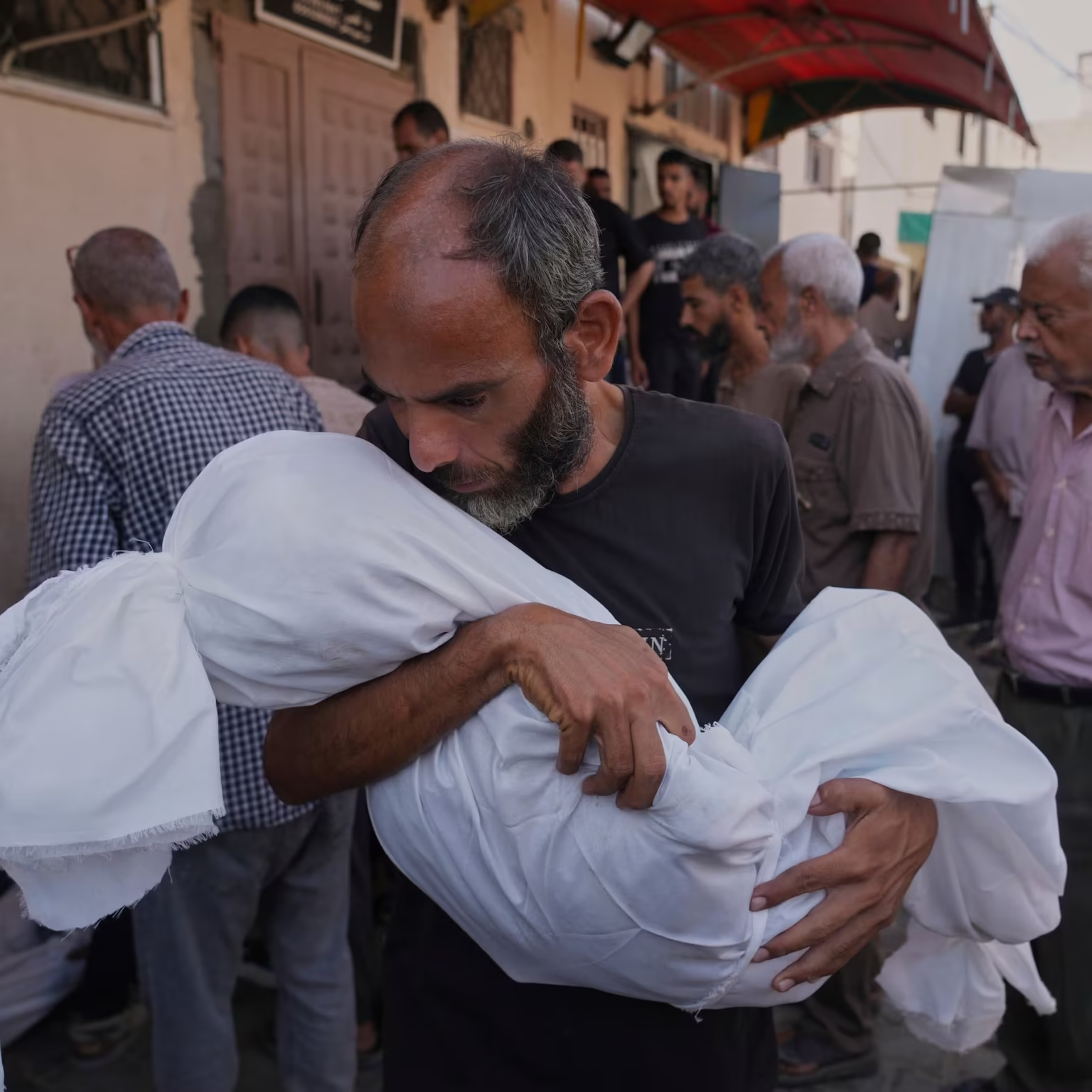
Qatar Hamas ceasefire proposal has recently received a positive response from Hamas, marking a significant development in the ongoing Gaza conflict. Brokered by Qatar and Egypt, this agreement aims to temporarily halt hostilities, address humanitarian needs, and set the stage for longer-term peace negotiations.
Background of the Conflict
The conflict between Israel and Hamas escalated dramatically after the October 7, 2023, attacks by Hamas on southern Israel. In retaliation, Israel launched extensive military operations in Gaza, leading to widespread destruction and a humanitarian crisis. Despite numerous attempts at ceasefires, the violence has persisted, with both sides suffering significant casualties.
The Role of Qatar in Mediation
Qatar has played a pivotal role in mediating between Hamas and Israel throughout the conflict. The Gulf nation has facilitated several ceasefire agreements and prisoner exchanges, leveraging its diplomatic ties and financial influence. Qatar’s involvement has been instrumental in bringing both parties to the negotiating table, despite challenges and setbacks.
The Ceasefire Proposal
The latest ceasefire proposal, announced on August 18, 2025, includes several key components:
- 60-Day Halt to Hostilities: Both Hamas and Israel would agree to a temporary cessation of military operations.
- Hostage Exchange: Hamas would release half of the approximately 20 remaining Israeli hostages, while Israel would free a number of Palestinian prisoners.
- Humanitarian Aid Access: The proposal allows for the delivery of essential humanitarian assistance to Gaza, addressing the dire needs of the civilian population.
- Phased Approach to Peace: The ceasefire is seen as a preliminary step toward broader negotiations aimed at achieving a lasting peace agreement.

Hamas’s Response
Hamas’s acceptance of the proposal marks a significant shift in its stance. Senior Hamas official Basem Naim confirmed the group’s agreement, stating that the terms align with their interests and the national aspirations of the Palestinian people. The group’s approval was also communicated to Egyptian and Qatari mediators, signaling a unified position among Palestinian factions.
Israel’s Position
Israel has yet to formally respond to the ceasefire proposal. While some officials have expressed cautious optimism, others remain skeptical. Prime Minister Benjamin Netanyahu has indicated that Israel’s military objectives remain unchanged, emphasizing the need for the complete dismantling of Hamas’s military capabilities. The Israeli government’s hesitation stems from concerns over the effectiveness of a temporary ceasefire and the long-term implications for security.
International Reactions
The international community has largely welcomed Hamas’s acceptance of the ceasefire proposal. The United Nations and various humanitarian organizations have urged both sides to adhere to the terms and work toward a sustainable peace agreement. Arab nations, in particular, have praised Qatar’s mediation efforts and called for increased support for the ceasefire initiative.
Challenges Ahead
While the agreement represents a positive development, several challenges remain:
- Verification and Enforcement: Ensuring that both parties adhere to the terms of the ceasefire will require robust monitoring mechanisms.
- Addressing Core Issues: The temporary halt in hostilities does not resolve the underlying issues of the conflict, including territorial disputes and the status of Jerusalem.
- Public Sentiment: Both Israeli and Palestinian populations have experienced profound trauma, and public support for peace initiatives may fluctuate.
The Path Forward
The 60-day ceasefire proposal offers a glimmer of hope for a region long plagued by conflict. However, achieving lasting peace will require sustained diplomatic efforts, mutual concessions, and a commitment to addressing the root causes of the conflict. The role of mediators like Qatar and Egypt will be crucial in facilitating dialogue and building trust between the parties.
Conclusion
The acceptance of the ceasefire proposal by Hamas is a significant step toward de-escalation in Gaza. While challenges remain, the international community must support efforts to transform this temporary halt in hostilities into a foundation for lasting peace. The coming weeks will be critical in determining whether this initiative can lead to a broader resolution of the Israeli-Palestinian conflict.
Do follow us: Instagram
Read More: Qatar’s Elegancia to Operate Iraq’s Largest Medical City for 15 Years