

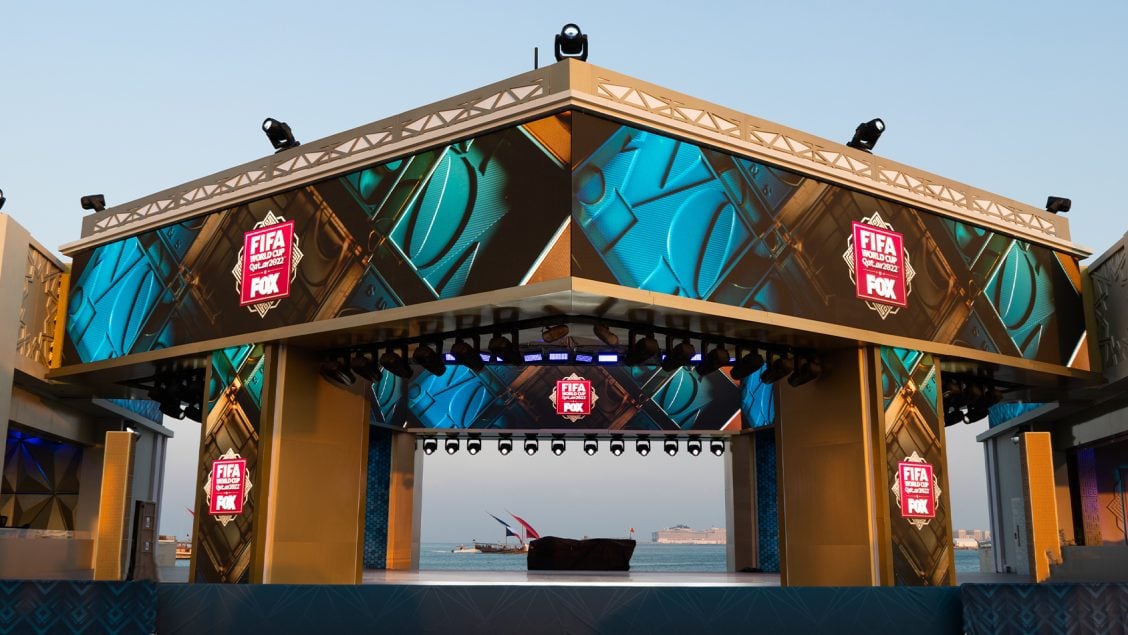
5G-powered broadcasting studios are expanding rapidly in Doha, marking a major step forward for global sports coverage. With the city preparing to host more world-class tournaments and events, broadcasters are embracing the speed, reliability, and innovation that 5G technology brings to live production.
Doha has already positioned itself as a hub for international sports, and this latest technological shift is designed to ensure fans across the globe can enjoy seamless, high-definition coverage like never before.
Why 5G-powered broadcasting studios matter
The introduction of 5G-powered broadcasting studios means faster data transmission, lower latency, and real-time delivery of sports action. Traditional broadcasting often struggles with signal delays, especially during high-demand global events. But with 5G, broadcasters in Doha can:
- Stream ultra-high-definition (4K and 8K) video with minimal lag
- Enable multiple camera angles and real-time replays
- Support augmented and virtual reality features for immersive viewing
- Provide stable coverage even when millions are watching at once
For audiences, this translates into a smoother and more engaging experience, making them feel closer to the action whether they are watching football, athletics, or motorsports.
Doha’s growing role in global sports
Over the past decade, Doha has hosted several international sporting events, including the FIFA World Cup, IAAF World Athletics Championships, and ATP tennis tournaments. The city’s investment in sports infrastructure has been significant, but technology is now becoming the new frontier.
By expanding 5G-powered broadcasting studios, Doha is ensuring that it not only delivers world-class events in the stadiums but also provides world-class experiences to viewers watching from their homes or mobile devices.
How 5G transforms live sports coverage
The shift toward 5G-powered broadcasting studios in Doha comes with several groundbreaking benefits that set them apart from conventional systems:
1. Seamless live streaming
Broadcasters can now deliver high-definition streaming without interruptions, even during peak viewing hours when millions of fans log in simultaneously.
2. Real-time replays and analysis
5G allows faster processing of video feeds, enabling instant replays, in-depth analysis, and multi-angle highlights without the typical delay.
3. Smarter storytelling
With greater bandwidth, studios can incorporate augmented graphics, player statistics, and behind-the-scenes footage directly into live broadcasts, making sports storytelling more engaging.
4. Mobile-first coverage
As more fans watch sports on their phones or tablets, 5G ensures that mobile streams remain as smooth and sharp as traditional TV broadcasts.
Building the future: Doha’s media investment
Qatar’s media and sports authorities have invested heavily in upgrading broadcasting infrastructure. Partnerships with global telecom operators and technology providers are fueling the rollout of 5G-powered broadcasting studios.
These studios are being equipped with:
- AI-driven production tools for editing and content management
- Cloud-based storage systems for instant content sharing
- Advanced audio-visual technologies for immersive viewing experiences
- Remote broadcasting facilities allowing commentators and analysts to participate from anywhere in the world
This combination of 5G and advanced studio technology places Doha at the forefront of sports broadcasting innovation.
The global ripple effect
The expansion of 5G-powered broadcasting studios in Doha is not just a local development; it is setting an example for the global media industry. Other sports hubs such as London, Los Angeles, and Tokyo are closely observing Doha’s rollout as a model for future upgrades.

Sports leagues and federations are also expected to adopt similar technology to enhance global fan engagement. With Doha leading the way, broadcasters may soon redefine how major sporting events are experienced worldwide.
Challenges ahead
While the promise of 5G-powered broadcasting studios is clear, there are still challenges that need attention:
- Infrastructure costs: Building and maintaining 5G networks and advanced studios require massive investments.
- Training professionals: Broadcasters need skilled technicians and producers familiar with 5G-powered tools.
- Cybersecurity concerns: The more connected the system, the greater the need for strong cybersecurity to protect broadcasts.
Doha’s proactive approach, however, suggests that these challenges will be addressed as part of its long-term vision for sports technology.
A boost for fans and broadcasters
For fans, the result is a more interactive and exciting way to watch sports. Features like live statistics, multiple camera feeds, and immersive experiences will become the new normal. For broadcasters, it means delivering content faster, more efficiently, and with fewer disruptions.
By investing in 5G-powered broadcasting studios, Doha is making sure that sports coverage is not only about what happens on the field but also about how the world experiences it.
Looking ahead
As Doha continues to expand its role in hosting global tournaments, 5G-powered broadcasting studios will remain central to its vision. The future of sports broadcasting is no longer just about television; it is about delivering live, interactive, and immersive experiences across all digital platforms.
Doha’s strategy ensures that the city is not just a venue for world-class sports but also a leader in the global media landscape. With 5G technology powering its broadcasting infrastructure, the way fans watch and connect with sports is being redefined.
Final Word
The expansion of 5G-powered broadcasting studios in Doha is more than just a technological upgrade—it is a transformation of how the world experiences live sports. From high-definition streaming to real-time analysis and immersive digital experiences, Doha is setting new global standards.
Do Follow Gulf Magazine on Instagram
Also read: Why Gulf Tourists Are Flocking to This Charming Polish Town This Summer

