


Education has always been the cornerstone of progress in every society, and Oman is no exception. Over the past few decades, the Sultanate has witnessed rapid advancements in its education sector, especially with the remarkable growth of private schools and colleges. This trend is reshaping the country’s academic landscape, offering families and students a wider range of opportunities and experiences. The expansion of private institutions is not merely about numbers but about quality, innovation, and preparing students to thrive in a globalized world. Today, private education in Oman has become a symbol of aspiration, empowerment, and progress.
A New Era of Education in Oman
For years, public education was the main channel through which Omani children pursued their studies. While public schools and universities continue to play a vital role, private institutions have emerged as game changers. They offer alternative curricula, advanced teaching methods, and global exposure, which attract both local families and expatriates. Private schools bring diversity into the learning environment, blending international standards with local culture. Similarly, private colleges and universities in Oman now provide specialized programs, bridging the gap between academic learning and industry needs.
This new era is marked by increasing competition, rising demand for innovation, and a strong commitment from parents who view education as an investment in their children’s future. With growing aspirations, private institutions are positioning themselves as hubs for excellence, nurturing students not just for jobs but for leadership roles across the world.
Why Parents Choose Private Schools
One of the major reasons behind the expansion of private schools in Oman is parental choice. Families today want their children to have a competitive edge in an interconnected world. Private schools often provide international curricula such as British, American, or IB systems, giving students early exposure to global education standards. Parents also appreciate the smaller class sizes, advanced teaching technologies, and extracurricular programs that foster creativity, teamwork, and problem-solving.
Moreover, private schools are often bilingual, offering instruction in both English and Arabic. This combination helps Omani students strengthen their cultural roots while being prepared for international opportunities. For expatriate families living in Oman, private schools provide familiarity with global curricula, ensuring continuity in their children’s education when they move between countries.
The Role of Private Colleges and Universities
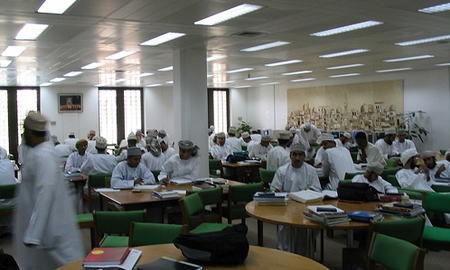
The growth of private colleges and universities in Oman is equally remarkable. These institutions are bridging gaps in higher education by offering programs in business, engineering, IT, healthcare, and more. Many of them collaborate with international universities, bringing global knowledge and accreditation into Oman. This ensures that graduates are equipped with skills relevant to modern industries, increasing their employability.
Private colleges are also playing a role in promoting entrepreneurship and innovation. By introducing incubators, research projects, and partnerships with industries, they prepare students to think beyond traditional career paths. Instead of just seeking jobs, many graduates are now being encouraged to create their own opportunities, contributing to Oman’s economic diversification goals.
Government Support and Regulations
The rise of private institutions in Oman has not happened in isolation. The government has played a crucial role by establishing regulations that ensure quality and transparency. The Ministry of Higher Education, Research and Innovation, along with the Ministry of Education, closely monitors and accredits private institutions. This framework ensures that while private schools and colleges have the flexibility to innovate, they also maintain standards aligned with national priorities.
Government support has been particularly important in encouraging partnerships between Omani private colleges and international universities. These collaborations enhance the credibility of private institutions and give students global recognition for their degrees. Additionally, the government encourages private investment in education, recognizing its importance in reducing pressure on public schools and expanding overall capacity.
Contribution to Oman’s Vision 2040
Oman’s Vision 2040 places education at the center of national development. Private schools and colleges are directly contributing to this vision by equipping students with advanced skills, fostering innovation, and promoting cultural openness. They are also supporting the creation of a knowledge-based economy, where the focus is not only on natural resources but also on human capital.
By producing graduates who are globally competitive yet locally grounded, private institutions are helping Oman prepare for a future driven by technology, entrepreneurship, and sustainable growth. This alignment with the national vision makes private education a vital pillar in shaping the country’s future.
Impact on Employment and Careers
The expansion of private colleges has significantly influenced employment trends in Oman. Employers increasingly recognize the value of graduates from private institutions, especially those who have studied in programs aligned with international standards. Many students from private universities also benefit from internships, training, and industry partnerships that prepare them for real-world challenges.
Private schools, on the other hand, are preparing younger generations with strong foundations in critical thinking, communication, and global awareness. These qualities are essential for thriving in future workplaces. As industries evolve, the demand for adaptable and innovative employees will grow, and private education is already setting the stage for this transformation.

Challenges Faced by Private Institutions
While the growth is impressive, private schools and colleges in Oman also face challenges. High tuition fees remain a concern for many families, making access limited to those who can afford them. This creates a gap between public and private education opportunities. At the same time, private institutions must constantly balance global standards with local cultural values, ensuring that students stay connected to their heritage.
Competition among private institutions is also intense. With many schools and colleges emerging, maintaining quality and differentiation is crucial. Institutions that fail to innovate may struggle to attract students in the long run. However, these challenges also push schools and colleges to continually improve, which ultimately benefits the education sector as a whole.
Opportunities for Innovation
Despite challenges, the opportunities for private education in Oman are immense. With the world shifting toward digital learning and AI-driven classrooms, private institutions have the flexibility to adopt these innovations faster. Many schools are already incorporating smart classrooms, online learning platforms, and STEM-focused education to prepare students for future industries.
Private colleges are also well-positioned to expand research and development, especially in fields such as renewable energy, healthcare, and technology areas that align with Oman’s long-term goals. By nurturing innovation, private institutions can become drivers of progress not only for the education sector but also for the nation’s economy.
Cultural Diversity in Private Education
Private schools and colleges in Oman attract students from different backgrounds, making them melting pots of cultural diversity. This environment encourages students to learn tolerance, respect, and collaboration, which are vital in today’s interconnected world. For Omani students, exposure to peers from various nationalities enriches their worldview, while expatriates find a sense of belonging and community.
Such cultural diversity also prepares students for international careers, as they learn to work with people from different traditions and perspectives. This multicultural environment is one of the greatest strengths of Oman’s private education system.
The Future of Private Education in Oman
Looking ahead, private schools and colleges in Oman are expected to continue their upward trajectory. As the demand for quality education grows, more investment will likely flow into the sector. Parents and students will continue seeking institutions that combine international standards with local relevance. With technology reshaping classrooms and industries, private education will play a central role in equipping future generations with the knowledge and skills they need.
The rise of private education in Oman is not just about numbers it reflects a societal transformation where education is viewed as the foundation of progress. With every new school and college opening its doors, the nation moves closer to building a future powered by innovation, inclusivity, and excellence.
Conclusion
The growth of private schools and colleges in Oman is more than an educational shift; it is a reflection of the nation’s aspirations and determination to prepare its youth for a brighter future. Families are investing in private institutions because they recognize the opportunities they create for global exposure, quality learning, and career readiness. The government is supporting this growth with strong regulations and partnerships that maintain standards and credibility.
Challenges exist, but they are also opportunities to innovate, adapt, and strengthen the sector further. As Oman moves toward Vision 2040, private schools and colleges will remain at the heart of its journey, nurturing confident, skilled, and globally aware citizens. The story of private education in Oman is not just about classrooms it is about shaping leaders, dreamers, and innovators who will guide the nation into a promising future.
Do follow Gulf Magazine on Instagram.
Also Read – How Oman Is Promoting Innovation Through University Research

