

How Oman Is Promoting Critical Thinking in Classrooms.Education in Oman has always carried a strong cultural and social importance, but in recent years the focus has shifted toward preparing students for a future where creativity, analysis, and problem-solving matter more than memorization. Traditional classroom practices that revolved around rote learning are slowly being replaced with a dynamic and interactive model. This shift is not just about academic excellence it is about shaping independent thinkers who can thrive in an unpredictable and competitive world.
The Omani education system is recognizing that true learning is not about repeating information from textbooks. Instead, it is about encouraging students to ask questions, form their own opinions, and learn how to evaluate different perspectives. This new vision marks the beginning of an education culture where curiosity is celebrated, mistakes are seen as learning opportunities, and critical thinking becomes second nature to young minds.
Moving Beyond Rote Learning
For decades, memorization has been the backbone of many classrooms around the world, including Oman. Students often learned by repeating lessons word for word, focusing on exams rather than understanding. But the future demands a different approach. Employers, universities, and society now require individuals who can analyze problems, collaborate effectively, and adapt to change.
Oman is taking active steps to move away from memorization-heavy teaching. Teachers are now trained to use open-ended questions, engage in classroom debates, and create real-life problem-solving activities. This not only makes learning more engaging but also helps students develop the ability to connect knowledge with real-world situations. The emphasis has shifted from “what you know” to “how you think,” which is a huge step toward building confident and capable generations.
Teachers as Guides, Not Just Instructors
One of the biggest transformations in Oman’s classrooms is the changing role of teachers. Instead of being the sole authority delivering lectures, teachers are now acting as facilitators and guides. Their goal is to spark curiosity and encourage exploration rather than deliver ready-made answers.
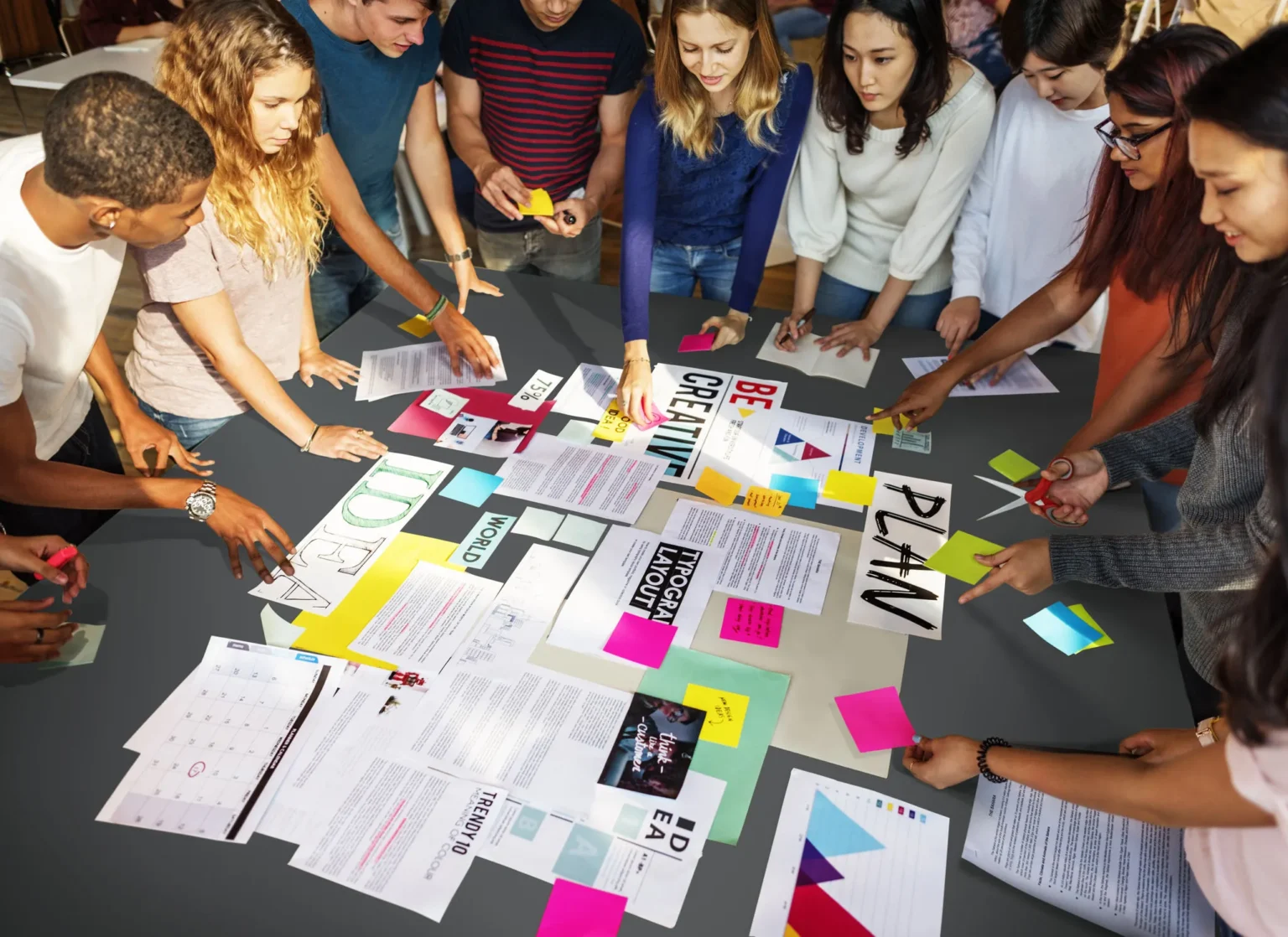
Through group discussions, brainstorming sessions, and project-based assignments, teachers are creating an environment where students feel comfortable expressing their thoughts. This shift empowers learners to take ownership of their education, ask meaningful questions, and discover solutions through dialogue and teamwork. It also helps students see their teachers as mentors who support their growth instead of examiners who only judge their performance.
The Power of Classroom Discussions
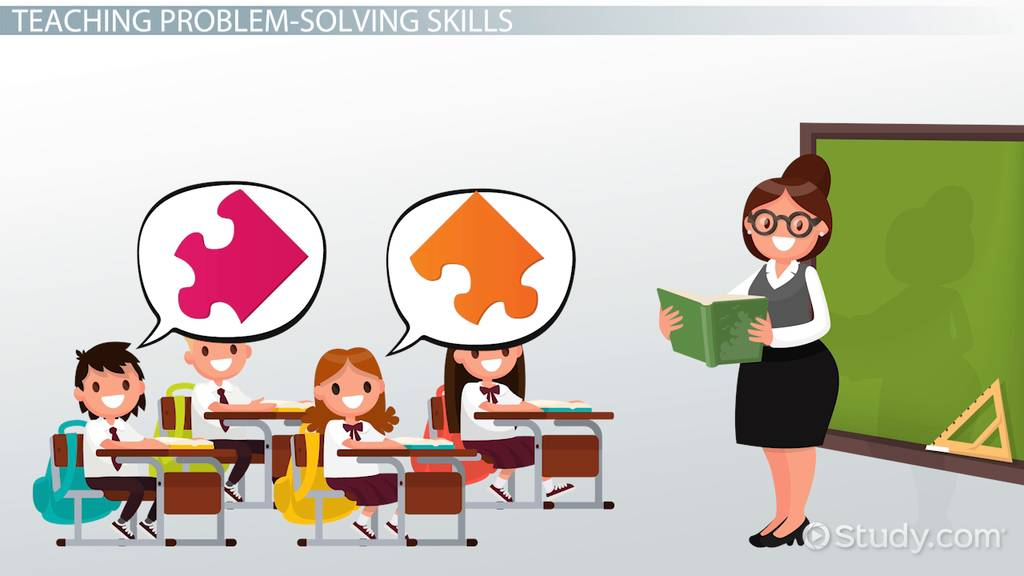
Critical thinking thrives in spaces where ideas are exchanged freely. Omani classrooms are increasingly making room for debates, discussions, and collaborative activities. Instead of memorizing historical events, students may now be asked to discuss their significance in today’s world. Instead of solving math equations mechanically, they may explore how those calculations apply in business or technology.
By encouraging dialogue, schools are helping students learn to listen, analyze different perspectives, and build arguments respectfully. These skills are invaluable in daily life, as they prepare young people not just for exams but for careers, leadership, and decision-making in society. When students learn to articulate their ideas and defend them with reasoning, they grow into confident communicators who can lead with clarity and vision.
Technology as a Tool for Thinking
The integration of digital tools has also fueled the rise of critical thinking in Oman’s education. Technology is no longer just a subject it is a powerful means of exploration. Smartboards, interactive apps, and online learning platforms are encouraging students to research, compare sources, and experiment with knowledge in ways that were previously limited by textbooks.
Virtual simulations, coding classes, and interactive quizzes give learners opportunities to test their ideas, learn from mistakes, and adapt quickly. With access to a global pool of information, students are trained to question what they read, verify facts, and evaluate credibility. This naturally builds critical thinking because it teaches students to approach knowledge with curiosity and caution, instead of blind acceptance.
Encouraging Creativity Alongside Analysis
Critical thinking does not mean rejecting creativity; in fact, the two go hand in hand. Oman’s classrooms are promoting both logical reasoning and creative imagination. Students are often encouraged to come up with innovative solutions to everyday problems, present their ideas in unique ways, and even combine art with science or storytelling with history.
This blend of creativity and critical thought ensures that students are not only problem-solvers but also innovators. They learn how to think outside the box, challenge the status quo, and propose fresh perspectives that can lead to progress in various fields. Such practices ensure that the future workforce of Oman is adaptable, imaginative, and prepared for global challenges.
Building Confidence and Independence
A strong outcome of critical thinking education is the confidence it instills in students. When young learners realize that their voices matter and their opinions are valued, they naturally develop self-belief. This confidence translates into independence students become less reliant on teachers for answers and more willing to explore, research, and draw conclusions on their own.
In a world where information is available at the click of a button, independence in thinking is vital. Oman’s approach is ensuring that students not only access information but also know how to interpret it wisely. This independence will help them make sound decisions in their personal lives, professional careers, and as active citizens contributing to national development.
Preparing Students for the Future Workforce
The future of work is changing rapidly. Automation, artificial intelligence, and global competition mean that traditional skills alone are not enough. Oman’s education reforms recognize this reality and are equipping students with the mindset to adapt and succeed.
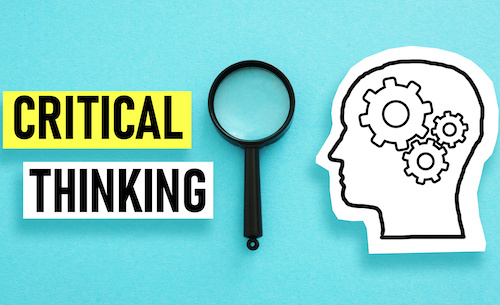
Critical thinking prepares students to navigate uncertainty, solve complex problems, and collaborate across cultures. By fostering these abilities early in the classroom, Oman is ensuring that its future workforce is not only employable but also capable of becoming leaders and innovators. This approach aligns with the country’s broader vision of economic diversification and sustainable growth.
Parents and Community as Partners
The promotion of critical thinking does not stop at the classroom door. Parents and communities in Oman are also being encouraged to support this shift. Families are learning to value curiosity over blind obedience, encouraging children to express themselves at home, and celebrating their creative efforts rather than just their grades.
Community programs, workshops, and extracurricular activities further strengthen the culture of critical thinking. When students see that their ideas are welcomed not only in school but also in their homes and communities, the practice becomes a natural part of their lives. This collaboration between teachers, parents, and society ensures that the skills developed in classrooms are sustained beyond them.
A Culture of Lifelong Learning
Critical thinking is not a skill that ends with graduation it is a lifelong habit. By instilling this habit in classrooms, Oman is preparing citizens who are curious learners throughout their lives. Whether they pursue higher education, join the workforce, or become entrepreneurs, they will carry with them the ability to question, reflect, and grow.
This culture of lifelong learning benefits not only individuals but also the nation as a whole. A society filled with critical thinkers is better equipped to innovate, solve challenges, and adapt to global changes. Oman’s focus on education is, therefore, an investment in the intellectual strength and resilience of the entire country.
Conclusion: Oman’s Bright Educational Future
The transformation of classrooms in Oman is more than an academic reform it is a cultural revolution in how learning is perceived and practiced. By moving away from rote memorization, empowering teachers as guides, and fostering discussions, creativity, and independence, Oman is building a generation of thinkers prepared for the future.
This journey is not without challenges, but the progress is undeniable. Every classroom that encourages questions instead of silence, every student who speaks with confidence, and every teacher who nurtures curiosity is contributing to a brighter national future. Oman’s commitment to promoting critical thinking is planting the seeds of innovation, resilience, and leadership that will bloom for decades to come.
Do follow Gulf Magazine on Instagram.
Also Read – Omani Students Shine Bright in STEM Clubs and Competitions

