

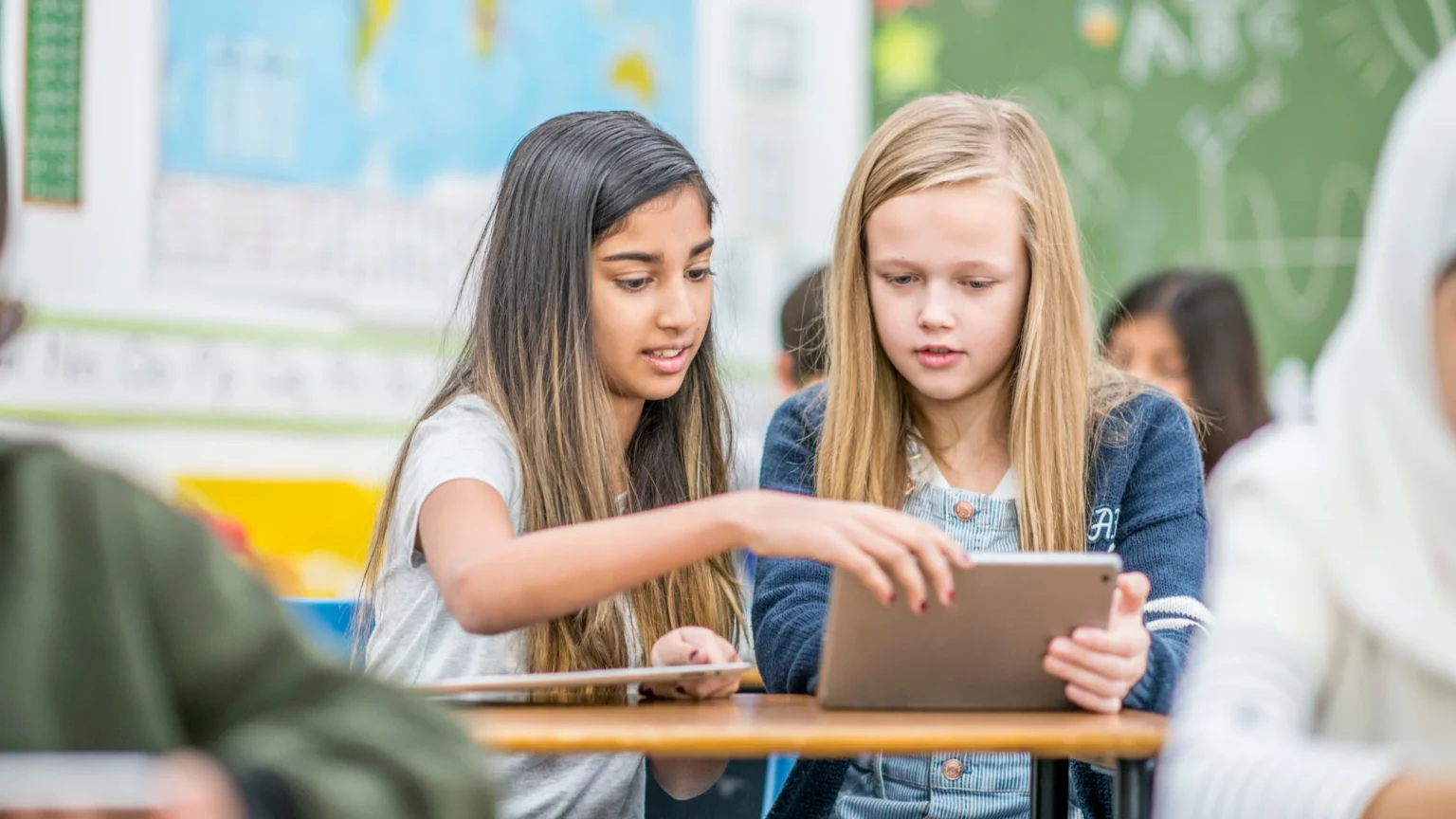
Education in Oman is undergoing a dynamic transformation, and at the heart of this shift are teachers who are embracing digital tools to bring learning to life. Gone are the days when chalkboards and heavy textbooks were the only means of teaching. Today, digital technology is empowering teachers in Oman to create classrooms that are more interactive, more engaging, and more student-centered than ever before. This evolution is not just about convenience it is about building stronger connections with students and preparing them for a digital-first future.
Building Confidence Through Digital Classrooms
Teachers in Oman are discovering that digital tools are not just about fancy gadgets. They are about confidence. With interactive whiteboards, online platforms, and smart applications, educators can explain complex ideas in ways that students instantly connect with. Imagine a science class where a teacher can bring a chemical reaction to life through a 3D simulation, or a geography lesson where students can explore the world through virtual maps. This confidence in teaching translates directly into confidence in students, who begin to learn with curiosity and excitement.
Digital Tools Creating Personalized Learning
One of the most powerful contributions of digital tools is personalization. Every student learns differently—some are visual learners, others prefer hands-on activities, and some need extra support. With digital platforms, Omani teachers can now track each student’s progress, identify their strengths and weaknesses, and design lessons that fit individual needs. For example, adaptive learning apps can provide extra exercises to students who are struggling while giving advanced challenges to those who are excelling. This ensures that no student is left behind and everyone grows at their own pace.
Encouraging Creativity and Collaboration
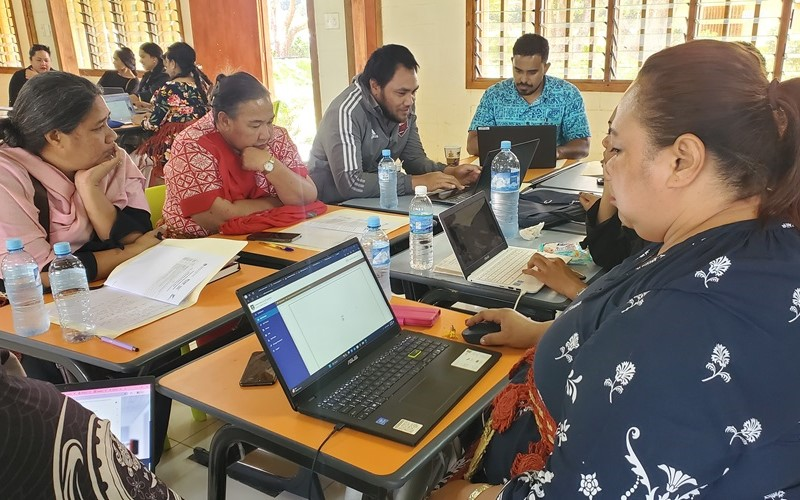
Classrooms in Oman are turning into hubs of creativity thanks to digital resources. Teachers are encouraging students to create presentations, videos, and digital projects that showcase their understanding in unique ways. Instead of traditional rote learning, students are now brainstorming ideas, collaborating in groups online, and presenting their work with confidence. Teachers guide this process with the help of project-based learning platforms that make teamwork both fun and educational. This creativity prepares students for real-world challenges where problem-solving and collaboration are key.
Breaking Barriers with Virtual Learning
One of the most remarkable impacts of digital tools is breaking geographical barriers. Teachers in remote areas of Oman now have the opportunity to connect with global resources and provide their students with the same quality of education as those in urban centers. Through virtual classrooms, video conferencing, and online resources, learning has become more accessible. Teachers can invite guest speakers from around the world, conduct online discussions, and share real-time content with students. This sense of global connection enriches both teaching and learning.
Saving Time and Boosting Productivity
For teachers, time is one of the most valuable resources. Preparing lessons, grading papers, and managing classrooms can be overwhelming. Digital tools are changing this. Automated grading systems, cloud-based storage, and lesson-planning apps are reducing workload and freeing up time for teachers to focus on what really matters engaging with students. Instead of spending hours marking assignments, teachers can use digital platforms that assess and record student performance instantly, giving them more space for creativity and mentoring.
Building Digital Skills for the Future
Teachers in Oman are not just teaching students they are shaping future leaders. By using digital tools themselves, they also serve as role models for students to embrace technology responsibly and effectively. When a teacher demonstrates how to use research platforms, coding apps, or digital design tools, they inspire students to think beyond textbooks and imagine careers in science, technology, and innovation. This digital confidence is preparing a generation that will thrive in the modern workforce.
Strengthening Teacher-Student Relationships
Interestingly, far from creating a gap, digital tools are strengthening relationships between teachers and students. With messaging apps, online discussion forums, and digital feedback systems, students feel more connected to their teachers than ever before. They can ask questions after class, seek clarification instantly, and receive personalized encouragement. Teachers, on the other hand, get a deeper understanding of their students’ learning styles and emotional needs, building a bond that extends beyond the classroom walls.
Professional Growth for Teachers
Digital empowerment is not just for students it is for teachers too. Many educators in Oman are using online training programs, webinars, and e-learning platforms to improve their teaching skills. Professional development has become easier and more accessible, allowing teachers to continuously grow in their careers. Whether it is learning about new teaching strategies, staying updated with global education trends, or connecting with other educators, digital platforms are helping teachers become lifelong learners.
Making Education More Inclusive
In Oman, inclusivity is an important goal, and digital tools are making it possible. Students with special learning needs are benefiting from assistive technologies like text-to-speech software, interactive reading apps, and customized digital lessons. Teachers can adapt materials to suit diverse learning requirements, ensuring every child feels included and supported. This is transforming classrooms into safe, welcoming spaces where every student has an equal opportunity to succeed.
Digital Tools Supporting Parents Too
Education is a partnership between teachers, students, and parents. Digital tools are strengthening this bond by keeping parents more informed and involved. Teachers in Oman can now share real-time updates, attendance records, and progress reports through apps. Parents can track their child’s growth, communicate with teachers easily, and support learning at home. This transparency builds trust and creates a stronger support system for every student.
Preparing Oman for a Bright Digital Future
The digital transformation in Omani classrooms is more than just a trend it is a powerful movement shaping the future of the nation. Teachers who adopt digital tools are equipping students with the skills they need for tomorrow’s economy, from problem-solving and critical thinking to digital literacy and global awareness. By empowering teachers today, Oman is investing in a smarter, more innovative, and more connected generation that will drive progress for years to come.
Conclusion: Teachers at the Heart of Change
At the core of all this transformation are the teachers themselves. They are the ones embracing change, learning new skills, and guiding students with passion and resilience. Digital tools are simply amplifying their abilities, giving them the wings to reach higher and touch more lives. In Oman, the future of education looks bright, not because of technology alone, but because of the dedicated teachers who are using it to empower young minds. Together, they are shaping a future where learning is limitless and every child has the chance to shine.
Do follow Gulf Magazine on Instagram.
Also Read – The Inspiring Power of English in Oman’s Classrooms

